How Long Can a Ford f150 Last
As an Amazon Associate we earn from qualifying purchases.
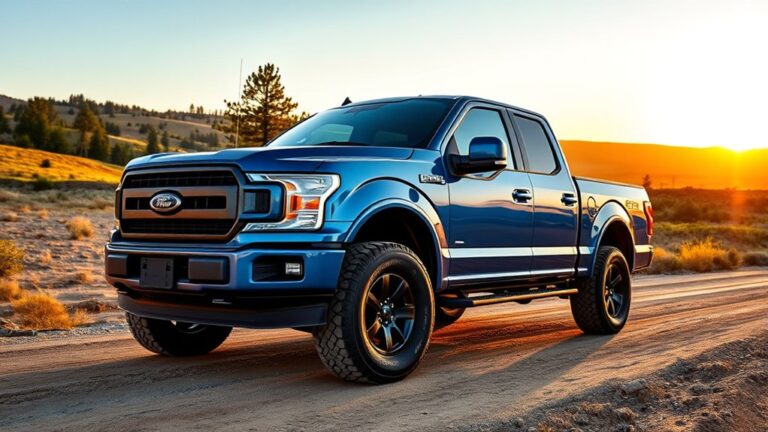
If you’re asking how long a Ford F-150 can last, it’s no surprise that these trucks are known for their durability and reliability.
The Ford F-150 is one of the most popular and trusted vehicles in its class.
With regular maintenance, many F-150s run past 200,000 miles, and some reach 250,000 or more. Your engine choice, towing habits, climate, and service history all play a role in the truck’s longevity.
Additionally, a few warning signs can help you know when the end is getting closer, allowing you to address issues before they become serious problems.
Key Takeaways
- A well-maintained Ford F-150 can last over 200,000 miles, and many reach 250,000 miles or more.
- Lifespan depends heavily on maintenance, driving habits, towing load, climate, and road conditions.
- Regular oil changes, fluid service, brake checks, tire care, and inspections help extend truck life.
- V8 engines often handle heavy towing well, while EcoBoost engines can last long with timely service.
- High mileage does not always mean replacement; compare repair costs and truck condition before deciding.
How Long Does a Ford F-150 Last?
A Ford F-150 can last well over 200,000 miles with proper maintenance, and many well-cared-for trucks reach 250,000 miles or more. You can expect the truck’s lifespan to depend on maintenance, driving habits, load demands, and climate.
If you keep up with oil changes, brakes, fluids, tires, and inspections, you’ll usually extend service life and reduce major repair risk. Your actual mileage will also reflect how often you tow, idle, or drive in stop-and-go traffic.
Fuel economy matters too, because efficient operation often signals less strain on the engine and drivetrain. Avoid outcome bias when judging durability; one high-mileage truck or one failure doesn’t define the whole model.
With consistent care, you can use an F-150 reliably for many years.
F-150 Lifespan by Model Year and Engine
Your F-150’s lifespan can vary by model year, since build quality, design updates, and known issues affect durability. Engine choice also matters, because some Ford V6 and V8 options tend to last longer or need less major repair than others.
Model Year Durability
Model year and engine choice can make a big difference in how long an F-150 lasts. You’ll usually see newer models hold up better if you keep up with service, but some older trucks still show strong off roading durability and solid diesel reliability.
| Model year | Typical durability | Best use |
|---|---|---|
| 2009-2014 | Good | Daily driving |
| 2015-2020 | Very good | Mixed use |
| 2021-present | Strong | Heavy use |
You should also expect wear patterns to vary by generation, especially if you tow, haul, or drive on rough roads. Compare maintenance history, frame condition, and suspension wear before you buy.
A well-kept truck from any era can last a long time, but cleaner records and lighter abuse usually point to better long-term durability.
Engine Longevity Differences
Engine longevity can vary a lot by F-150 model year, trim, and especially engine choice, so you can’t judge lifespan by mileage alone. You should compare engine design, maintenance history, and driving load to estimate durability.
- V8 engines often tolerate heavy towing well.
- EcoBoost turbos can last long if serviced on time.
- Older naturally aspirated engines usually have simpler hardware.
- Newer engines may improve fuel efficiency but add complexity.
- Higher-output setups can wear faster under hard use.
If you want the longest service life, choose a proven engine, follow oil-change intervals, and avoid chronic overheating. A well-kept truck from a strong model year can outlast a neglected newer one. In practice, your habits matter as much as the badge on the tailgate.
What Causes F-150s to Wear Out Faster?

Your F-150 can wear out faster when you regularly tow heavy loads, because extra strain puts more stress on the engine, transmission, suspension, and brakes.
Poor maintenance habits, like skipping oil changes or ignoring worn parts, can also accelerate damage and shorten service life.
Harsh driving conditions, such as frequent stop-and-go traffic, extreme temperatures, rough roads, and off-road use, add even more wear over time.
Heavy Towing Loads
Heavy towing loads can shorten an F-150’s lifespan because they force the truck to work harder across nearly every major system. When you regularly pull near the towing weight limit, you increase heat, strain, and wear. That extra demand can accelerate:
- transmission stress
- engine heat buildup
- suspension sag
- tire wear
- brake fade
You’ll also notice the truck may shift more often, climb grades with greater effort, and consume more fuel. Over time, repeated heavy pulls can fatigue drivetrain components and reduce overall longevity.
Staying within rated limits helps, but frequent max-capacity towing still adds measurable wear. If you tow often, the truck’s service life can drop faster than a lightly used F-150.
Poor Maintenance Habits
Poor maintenance habits can wear out an F-150 just as quickly as hard use, especially when skipped service lets small issues build into major repairs. You can shorten your truck’s life by delaying oil changes, ignoring worn filters, or running old fluids past their service intervals.
These tasks protect engine, transmission, and brake components from excess heat and contamination. If you overlook warning lights, leaks, or uneven tire wear, you give minor faults time to spread.
You should also use the correct parts and follow the maintenance schedule in your owner’s manual, not advice borrowed from romance novels or kitchen gadgets. Regular inspections help you catch problems early, keep repair costs down, and preserve performance, reliability, and resale value over time.
Harsh Driving Conditions
Harsh driving conditions can shorten an F-150’s lifespan by putting extra stress on the engine, suspension, brakes, and drivetrain. You’ll see faster wear when you tow heavy loads, haul near capacity, idle often, or drive on rough roads. Cold starts, steep grades, and deep mud also force parts to work harder and raise maintenance needs.
Stop and go traffic overheats components. Off-road use strains tires and alignment. Salt and moisture accelerate corrosion. Check tire pressures to reduce uneven wear. Poor fuel economy can signal added stress.
When you drive in dust, heat, or freezing weather, your truck’s fluids, seals, and hoses age sooner. If you adjust driving habits and inspect the truck regularly, you can limit damage and keep it running longer.
How to Make Your F-150 Last Longer
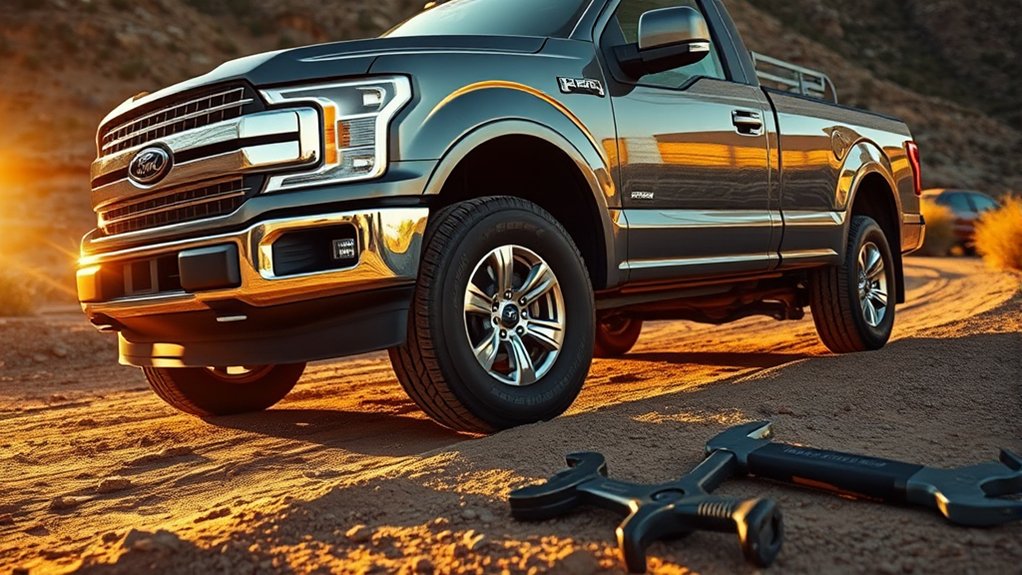
How can you help your Ford F-150 last as long as possible? You should follow the maintenance schedule, change fluids on time, and use quality filters. Regular inspections catch small issues before they grow, and proper tire pressure reduces wear on suspension and brakes.
If you tow or drive on rough terrain, clean the undercarriage and protect components to preserve off-road durability. For hard-use trucks, a diesel upgrade can improve longevity when matched to your workload.
| Maintenance step | Benefit |
|---|---|
| Oil changes | Protects engine parts |
| Tire care | Reduces uneven wear |
| Brake service | Maintains safe stopping |
Drive smoothly, avoid heavy loads beyond ratings, and let the engine warm up before demanding work.
F-150 Warning Signs to Watch For
If your Ford F-150 starts showing unusual noises, fluid leaks, warning lights, or hard starts, it’s time to pay close attention. You can catch many problems early by watching for these warning signs, especially at high mileage.
- Check for coolant, oil, or transmission leaks under the truck.
- Listen for knocking, grinding, or squealing during startup or driving.
- Watch the dashboard for engine, battery, or charging alerts.
- Notice rough idling, misfires, or reduced power under load.
- Inspect body panels, frame edges, and cab corners for rust repair needs.
When you spot these issues, you can schedule diagnostics before they spread. Careful monitoring helps you protect reliability, control costs, and keep your F-150 dependable longer.
When Repairs No Longer Pay Off
At some point, repairs can cost more than the truck is worth, especially when major components start failing at the same time. You should compare each estimate against the truck’s market value, not the amount you’ve already spent.
If the engine, transmission, suspension, and electrical system all need work, the total can quickly exceed a reasonable replacement cost. You’ll also want to consider downtime, towing, and recurring failures, since repeated visits to the shop signal diminishing returns.
A truck that still runs but needs constant major repairs may have crossed the point where fixing it no longer pays off. At that stage, continuing to repair it becomes a misplaced focus, and an irrelevant topic compared with the real question: whether replacing the truck makes better financial sense.
Frequently Asked Questions
How Many Miles Can a Ford F-150 Reach on Average?
You can usually expect a Ford F-150 to reach about 150,000 to 300,000 miles, depending on care and use. Compare reliability benchmarks, and don’t fall for maintenance myths; regular servicing often pushes your truck well beyond average.
Does Towing Heavy Loads Shorten F-150 Engine Life?
Yes, heavy towing can shorten your F-150’s engine life by increasing engine wear, heat, and stress. If you tow often, you should maintain fluids, monitor temperatures, and follow service intervals to reduce damage.
Which F-150 Cab Style Is Most Durable?
You’ll usually find the Regular Cab most durable, because you’ve got fewer doors, hinges, and seals to wear.
If you need better ride comfort, SuperCab and SuperCrew trade a bit of cab durability for space.
Is a Used High-Mileage F-150 Still Reliable?
Yes, if you’ve done your homework, a high-mileage F-150 can still be reliable. You’ll beat high mileage myths by checking records, test-driving carefully, and weighing maintenance tradeoffs.
If it’s been serviced well, you’re likely fine.
Do Regular Oil Changes Really Extend F-150 Lifespan?
Yes, regular oil changes can extend your F-150’s lifespan because you reduce engine wear, control sludge, and protect essential parts.
Follow the maintenance schedule, and you’ll support regular maintenance that helps the truck run longer, cleaner.
Conclusion
So, how long can your Ford F-150 last? With steady care, smart driving, and timely repairs, you can often keep it running comfortably past 200,000 miles, and sometimes well beyond 250,000.
If you notice mounting repair costs, persistent warning signs, or major powertrain trouble, your truck may be quietly nearing the end of its easier days. Stay proactive, follow the maintenance schedule, and you’ll give your F-150 the best chance at a long, useful life.
By committing to regular upkeep and attentive driving, you can maximize how long a Ford F-150 lasts and enjoy many reliable miles ahead.


