How Long Can a Ford Explorer Last
As an Amazon Associate we earn from qualifying purchases.

If you keep up with oil changes, fluid checks, brake service, and cooling system care, your Ford Explorer can often reach 180,000 to 250,000 miles or more.
The lifespan of a Ford Explorer depends on how you drive it, how often you service it, and how quickly you address warning lights or repairs.
Some model years hold up better than others.
Certain warning signs can indicate when wear is starting to add up, helping you stay ahead of potential issues.
Key Takeaways
- A well-maintained Ford Explorer can often last 150,000 to 250,000 miles, depending on model year and use.
- Regular oil changes, fluid services, brake maintenance, and prompt repairs greatly extend Explorer lifespan.
- Smooth driving, avoiding constant towing, and minimizing short trips help reduce wear on major systems.
- Earlier and mid-generation Explorers often reach higher mileage with documented maintenance than neglected vehicles.
- Major engine, transmission, rust, or safety-related problems can make replacement smarter than further repairs.
Ford Explorer Lifespan: What to Expect
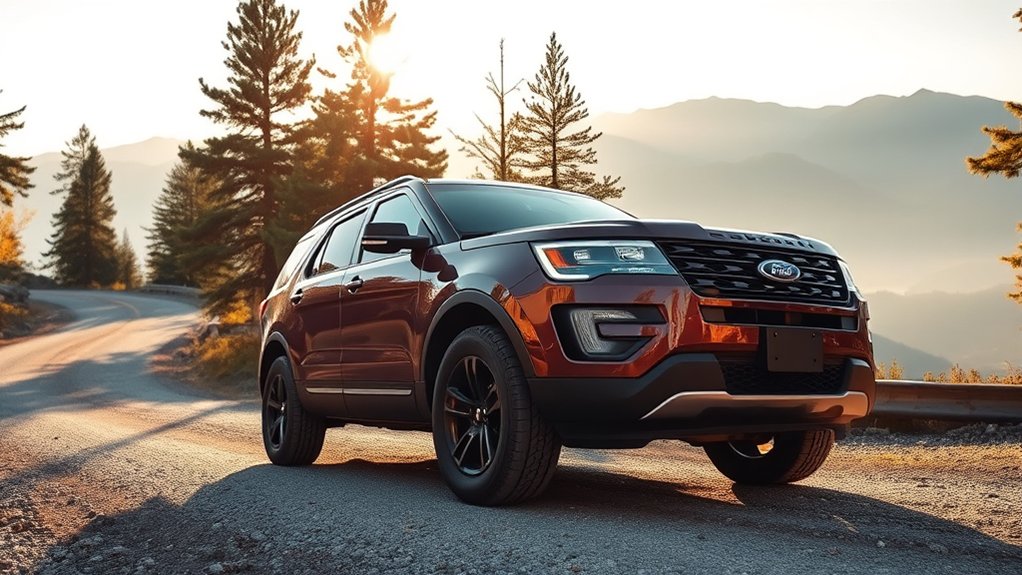
How long can a Ford Explorer last? You can expect a well-maintained Explorer to deliver long service because its lifespan depends less on luck than on your maintenance priorities.
Regular oil changes, fluid checks, brake service, and timely repairs help you preserve reliability and reduce wear. Don’t let reliability myths convince you that every Explorer fails at a fixed point; condition, driving habits, and upkeep matter more than stereotypes.
Regular oil changes, fluid checks, and prompt repairs help preserve reliability and extend your Explorer’s service life.
If you keep up with scheduled inspections and address warning lights promptly, you’ll usually avoid costly damage that shortens service life. You should also treat tires, suspension, and cooling components as key wear items.
In practical terms, your Explorer can remain dependable for many years when you stay consistent, informed, and proactive with care.
Ford Explorer Miles by Model Year
When you compare Ford Explorer miles by model year, you’ll see that early models often reach high mileage with more frequent maintenance, while mid-generation versions can offer stronger long-term durability.
You can also expect recent model years to last well when you stay on top of service intervals and address issues early. These differences help you judge how much life your specific Explorer may have left.
Early Model Mileage
Early Ford Explorer model years can vary widely in mileage depending on maintenance, driving conditions, and major repairs, but many well-kept examples still reach 150,000 to 200,000 miles or more. If you’re evaluating early models, you’ll see that mileage alone doesn’t tell the whole story.
A high-mileage Explorer with documented service can outlast a lower-mileage one that’s been neglected. You should check oil changes, transmission service, cooling system care, and rust control. These factors shape real-world durability and help you judge lifespan more accurately.
A strong maintenance history often matters more than a low odometer reading, especially when you’re comparing older trucks. For a clearer estimate, use a two word idea, two word idea approach: review records and inspect wear closely.
Mid-Generation Longevity
Mid-generation Ford Explorers often deliver solid longevity, with many examples lasting 180,000 to 250,000 miles when owners keep up with maintenance and address repairs promptly. You can often judge durability by how consistently you service the engine, transmission, brakes, and cooling system.
Model-year differences may affect wear patterns, but regular fluid changes and timely part replacement usually matter more than age alone. If you drive mostly highway miles, you’ll often see better fuel economy and less strain on key components than in stop-and-go use.
Interior comfort also tends to hold up well when you protect seats, electronics, and climate controls from neglect. Overall, these Explorers can stay dependable for years if you maintain them carefully and respond quickly to warning signs.
Recent Year Durability
Recent Ford Explorer model years can vary a lot in how long they last, so it helps to look at durability by generation and build quality rather than mileage alone. You’ll often see newer Explorers reaching 150,000 to 200,000 miles when you stay on top of maintenance and fix issues early.
2020-plus models often offer stronger tech and cabin comforts.
2016–2019 units can be solid, but check drivetrain history.
2011–2015 models may need closer attention to cooling and transmission wear.
Fleet use and towing can reduce infrastructure reliability faster.
If you want dependable long-term ownership, inspect service records, test all electronics, and listen for suspension or engine noise before you buy.
What Shortens Ford Explorer Lifespan
Several factors can shorten a Ford Explorer’s lifespan, and most of them come down to maintenance, driving habits, and operating conditions. If you ignore warning lights, delay repairs, or drive aggressively, you’ll put extra stress on major systems and reduce short term reliability.
Frequent towing, stop-and-go traffic, short trips, and extreme heat or cold can also wear components faster. Rust-prone regions and rough roads add more strain to the body, suspension, and undercarriage. Many owners also miss that overloading the vehicle accelerates wear.
For rumor debunking, the Explorer doesn’t fail simply because of age; it usually lasts longer when you avoid abuse and address problems early. Inconsistent care and harsh use, not mileage alone, usually determine how soon it feels tired.
Ford Explorer Maintenance That Adds Miles

You can add miles to your Ford Explorer by staying consistent with regular oil changes, which help keep the engine clean and properly lubricated.
You should also give the transmission careful attention, since timely fluid service and inspections can reduce wear and support smoother shifting. When you handle both systems on schedule, you improve the odds that your Explorer lasts longer.
Regular Oil Changes
Regular oil changes are one of the simplest ways to help a Ford Explorer last longer, because fresh oil reduces friction, controls heat, and keeps engine parts clean. When you stick to regular oil service, you protect bearings, camshafts, and other moving components from wear that can shorten engine life.
You should follow the maintenance interval in your owner’s manual and adjust it if you drive in severe conditions.
- Check oil level monthly
- Use the recommended oil grade
- Replace the oil filter each service
- Watch for leaks or dark, dirty oil
Consistent oil changes also help the engine run smoothly, improve efficiency, and reduce the chance of costly repairs over time.
Transmission Care
Just as clean engine oil helps reduce wear, keeping the transmission in good shape is another key factor in how long a Ford Explorer can last. You should check the transmission fluid regularly and keep it at the correct level, because low or dirty fluid can cause slipping, harsh shifts, and extra heat.
If you tow, drive in heavy traffic, or often haul cargo, service intervals may need to be shorter. You also want to watch for delayed engagement, shuddering, or whining, since these can point to internal wear.
A healthy torque converter helps the transmission transfer power smoothly, so any sign of vibration or flare-up deserves prompt attention. Routine inspections, timely fluid changes, and quick repairs can help your Explorer stay reliable and add many more miles.
Signs Your Ford Explorer Is Aging Fast
A Ford Explorer that’s aging fast usually starts sending clear warning signs long before a major breakdown. You’ll often notice harder starts, rough idling, and delayed response when you press the accelerator. These aging signs can also show up as unusual vibrations, more frequent warning lights, or fluid spots under the vehicle.
Aging Explorer symptoms often appear early through hard starts, rough idling, vibrations, and warning lights.
If your fuel efficiency drops without a change in driving habits, that’s another clue the SUV needs attention.
- Hesitation during acceleration
- Noises from suspension or brakes
- Excessive exhaust smoke
- Interior electronics acting inconsistently
You should treat these symptoms as objective evidence of wear, not isolated annoyances. The sooner you identify them, the easier it is to judge how much life your Explorer still has left.
How to Get a Ford Explorer to 200,000 Miles?

To get a Ford Explorer to 200,000 miles, you need a consistent maintenance routine and quick attention to small problems before they turn into major repairs. You should change the oil on schedule, replace filters, inspect belts and hoses, and keep the cooling system clean and full of proper coolant.
Rotate tires, align the wheels, and monitor brake wear so you don’t strain suspension parts. Use quality fluids, drive smoothly, and avoid repeated short trips when possible because they hurt fuel economy and add wear.
Review maintenance records like you’d compare antiques vs. reliability: the best-running vehicles are usually the best cared for. If you hear new noises, feel vibrations, or see warning lights, diagnose them early. That approach helps you preserve performance, efficiency, and durability.
When a Ford Explorer Isn’t Worth Repairing
When does a Ford Explorer stop being worth the repair bill? You should compare repair costs with the vehicle’s market value, expected lifespan, and explorer resale. If one major fix equals or exceeds half the Explorer’s worth, you’re often better off walking away.
Repeated transmission failure, severe engine wear, rusted frame components, or airbag and electronic faults can push you past the practical limit.
- Repair quotes keep rising after each visit
- The Explorer needs multiple major systems replaced
- Safety issues can’t be corrected affordably
- Mileage is high, and resale stays low
When repair costs outpace dependable use, the smarter choice is usually to sell, trade, or salvage it and put that money toward a newer SUV.
Frequently Asked Questions
What Trim Level of Ford Explorer Lasts Longest?
You’ll usually get the longest life from the simplest trim with the least equipment, often XLT or Base. Their trim reliability and engine durability tend to stay strong because you avoid extra systems that can fail.
Does City Driving Shorten a Ford Explorer’s Life?
Yes, city driving can shorten your Ford Explorer’s life because stop-and-go traffic increases city wear and urban stress on brakes, transmission, and suspension.
You can reduce damage with regular maintenance, smooth acceleration, and shorter idle times.
How Does Towing Affect Explorer Longevity?
Towing can shorten your Explorer’s life if you exceed limits, but moderate hauling won’t ruin it.
You’ll increase towing wear, so maintain fluids, brakes, transmission, and hitch maintenance to protect longevity.
Are Hybrid Explorers More Durable Than Gas Models?
Not always. You’ll often find hybrid Explorer models can improve hybrid durability through gentler engine use, but fuel system longevity depends on maintenance, driving habits, and battery health. Gas models may still outlast them.
What Is the Average Resale Value at 150,000 Miles?
You’ll usually see a Ford Explorer at 150,000 miles sell for about 20% to 30% of original MSRP, depending on condition, mileage, and trim. Good resale timing and hybrid durability can reduce average depreciation.
Conclusion
Your Ford Explorer can last a long time if you stay consistent with maintenance and address problems early. For example, if you replace the oil on schedule, keep the cooling system healthy, and fix warning lights right away, you can help it reach 200,000 miles or more.
But if you ignore rough shifting, leaks, or worn brakes, its lifespan drops fast. In the end, smart driving and timely repairs make the biggest difference.
By following these tips, you can significantly extend how long a Ford Explorer lasts and enjoy reliable performance for years to come.


