How Long Can a Ford Escape Last
As an Amazon Associate we earn from qualifying purchases.

A well-maintained Ford Escape can last a long time, often reaching 150,000 to 200,000 miles, with some models going beyond 250,000 miles. Regular oil changes, coolant service, and timely repairs are key to extending its lifespan.
However, factors like stop-and-go driving, towing, and skipped maintenance can significantly shorten its life. Mileage alone doesn’t tell the full story because wear patterns and repair history matter just as much.
Pay attention to the following signs to determine whether your Ford Escape still has real service life left.
Key Takeaways
- A Ford Escape typically lasts 150,000 to 200,000 miles with proper maintenance.
- Well-maintained examples can exceed 250,000 miles, especially with consistent service history.
- Longevity depends more on maintenance, driving conditions, and repair history than model year alone.
- Stop-and-go traffic, towing, short trips, heat, cold, and corrosion can shorten its lifespan.
- Regular oil changes, fluid service, tire rotations, and timely repairs help extend its life.
How Long Does a Ford Escape Last?

A Ford Escape can last 150,000 to 200,000 miles or more with proper maintenance, and some well-kept examples exceed that range. How long yours lasts depends on engine care, driving conditions, and repair history.
You can extend service life by following maintenance tips such as changing oil on schedule, replacing filters, monitoring coolant, and rotating tires. You should also inspect brakes, belts, and suspension parts regularly, since wear in those systems can affect reliability.
If you drive mostly in stop-and-go traffic or tow frequently, you’ll usually face faster wear. Keeping up with fluid services and fixing small issues early helps you preserve performance and reduce long-term damage. Consistent upkeep gives you the best chance of getting strong, dependable use from your Escape.
How Many Miles Can a Ford Escape Reach?
Most Ford Escape models can reach 150,000 to 200,000 miles, and a well-maintained one may go beyond 250,000 miles. Your result depends on engine design, transmission condition, and how consistently you follow service intervals.
Most Ford Escape models can reach 150,000 to 200,000 miles, with well-maintained examples surpassing 250,000.
In durability debates, the Escape’s mileage potential often tracks with maintenance history more than model-year generalizations. You’ll see mileage myths that claim every SUV loses reliability at a fixed point, but real-world data doesn’t support that simplification.
If you monitor fluid changes, brake wear, and diagnostic alerts, you can extend usable miles with predictable performance. High mileage doesn’t automatically mean failure; it usually indicates accumulated wear that technicians can measure and manage.
For that reason, you should evaluate mileage alongside mechanical condition, not use odometer readings alone.
What Shortens a Ford Escape’s Lifespan?
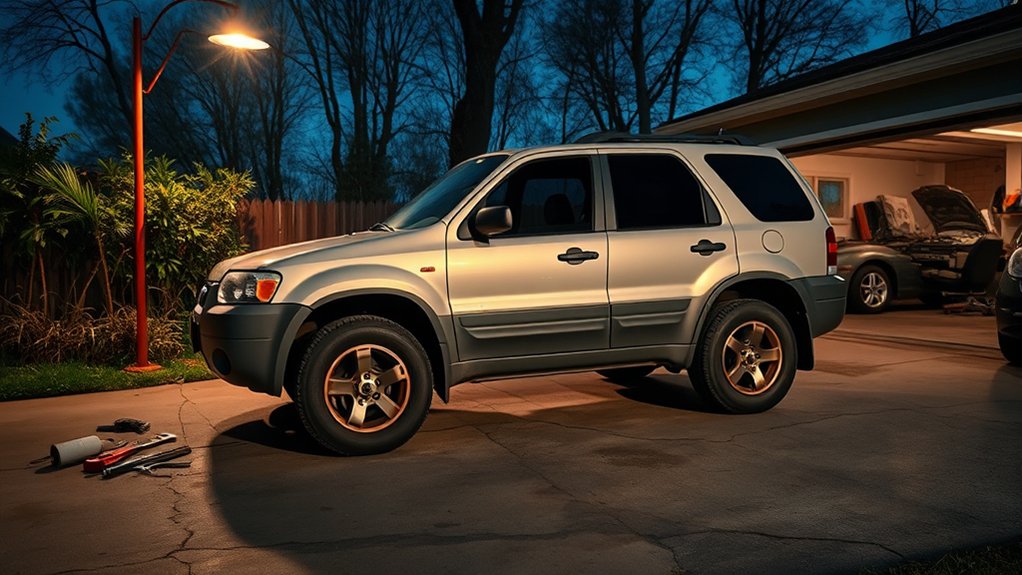
What shortens a Ford Escape’s lifespan most often isn’t one single defect, but repeated neglect and harsh operating conditions. You accelerate a short lifespan when you expose the vehicle to frequent stop-and-go traffic, extreme heat or cold, heavy towing, and short trips that never let components reach stable operating temperature.
These conditions increase engine wear by raising thermal stress, contaminant buildup, and internal friction. Aggressive acceleration, hard braking, and overloading also strain the transmission, suspension, and cooling system.
Road salt, potholes, and corrosion can further reduce durability by damaging underbody parts and electrical connectors. Fuel quality matters too, because poor combustion can leave deposits that affect performance over time. When these stresses stack up, the Escape’s service life drops noticeably.
Maintenance Tips to Help Your Escape Last Longer
You can offset many of the wear factors that shorten a Ford Escape’s life by sticking to a strict maintenance schedule. Follow Ford’s service intervals, use the correct fluids, and track mileage to control maintenance costs and preserve warranty coverage.
| Service | Interval | Benefit |
|---|---|---|
| Oil and filter | 5,000-7,500 miles | Reduces engine wear |
| Tire rotation | 5,000-7,500 miles | Promotes even tread |
| Brake inspection | 10,000 miles | Maintains stopping performance |
| Air filter check | 15,000-30,000 miles | Supports airflow |
| Coolant service | 100,000 miles | Helps manage temperature |
Inspect belts, hoses, battery terminals, and fluid levels during routine visits. Use OEM-spec parts, log every service, and address recalls promptly. Consistent upkeep lowers operating risk and helps your Escape reach higher mileage.
Signs Your Ford Escape May Be Wearing Out
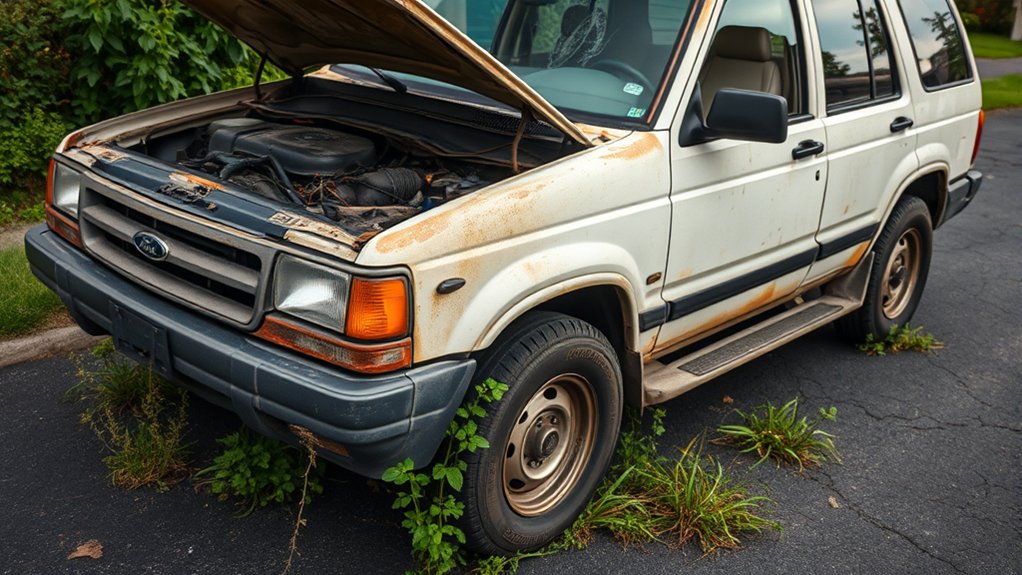
As mileage climbs, your Ford Escape may start showing wear through harder starts, rough idling, slipping transmission behavior, increased oil consumption, or warning lights that keep coming back. You may also notice brake pulsation, suspension clunks, slower acceleration, or vibration at highway speeds.
These symptoms often point to aging ignition components, worn mounts, or declining drivetrain reliability. If the check engine light returns after repairs, you should scan for stored codes rather than assume the issue is minor.
Pay attention to coolant loss, visible leaks, and rising repair frequency, since they can signal broader mechanical fatigue. Don’t confuse reduced power with fuel economy misconceptions; poor mileage can reflect sensor faults or internal wear, not just driving habits.
Consistent diagnostics help you judge when replacement costs outweigh continued ownership.
Frequently Asked Questions
Does Towing Reduce a Ford Escape’s Lifespan?
Yes, towing can reduce your Ford Escape’s lifespan if you exceed its limits or skip the maintenance schedule. Towing wear increases heat, strain, and fluid degradation, so you’ll need more frequent inspections and servicing.
Is the Ford Escape Reliable in Cold Weather?
Yes, you can count on a Ford Escape in cold weather if you maintain it well; like they say, an ounce of prevention’s worth a pound of cure.
Its cold weather performance supports long term reliability.
Which Ford Escape Engine Lasts the Longest?
The 2.5L naturally aspirated four-cylinder usually lasts longest because you’ll get strong engine reliability and fewer complex parts. If you follow maintenance schedules closely, you can often see the best long-term durability and fewer costly repairs.
How Does Rust Affect a Ford Escape’s Durability?
Rust quietly eats metal like water wearing down a stone, and it can weaken your Ford Escape’s structure, brakes, and suspension. You’ll face rust impact and durability concerns sooner, especially in salty, wet climates.
Can a Ford Escape Last With High Annual Mileage?
Yes, you can keep a Ford Escape reliable with high annual mileage if you address high mileage concerns early and follow maintenance strategies like frequent oil changes, transmission service, brake inspections, and cooling-system checks.
Conclusion
So, how long can your Ford Escape last? With regular maintenance, you can realistically expect 150,000 to 200,000 miles. A well-kept Escape may even reach 250,000 miles or more. That’s a strong lifespan for a compact SUV.
However, your driving habits play a big role. Stop-and-go traffic, towing, and missed service intervals can shorten the vehicle’s life. Staying ahead of oil changes, fluids, and inspections is essential.
By keeping up with maintenance, you’ll give your Ford Escape the best chance to keep going for many miles.


