How Does 2019 f150 Hill Decent Controll Work
As an Amazon Associate we earn from qualifying purchases.
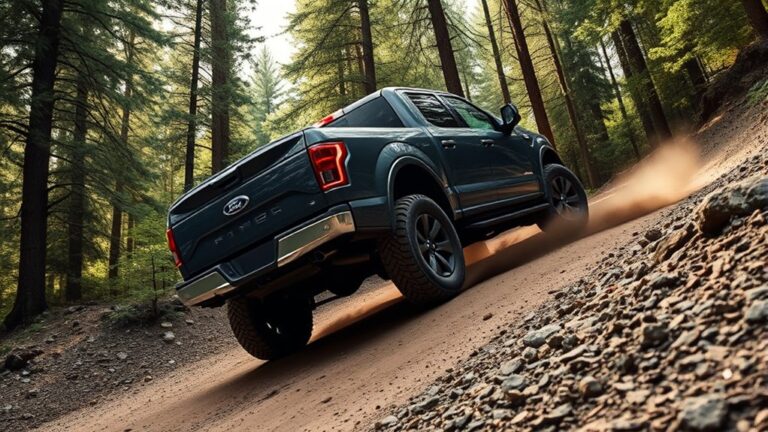
Hill descent control on your 2019 F-150 does more than just hold the brakes for you.
When activated in the appropriate drive mode and range, the system uses ABS hardware and wheel-speed data to control each wheel individually.
This precise management helps maintain a steady crawl speed on steep grades.
The control adapts based on traction, terrain, and steering input.
These adjustments explain why the system feels so deliberate and effective when navigating downhill.
Key Takeaways
- Hill Descent Control automatically holds a low, steady speed on steep downhill grades.
- It monitors wheel speed and applies braking as needed to prevent wheel lockup and slipping.
- You activate it after selecting an off-road drive mode, then press the Hill Descent Control button.
- The system pulses the brakes in short bursts while you keep steering control.
- It works best on steep, loose surfaces and should be engaged before starting the descent.
What Is Hill Descent Control?
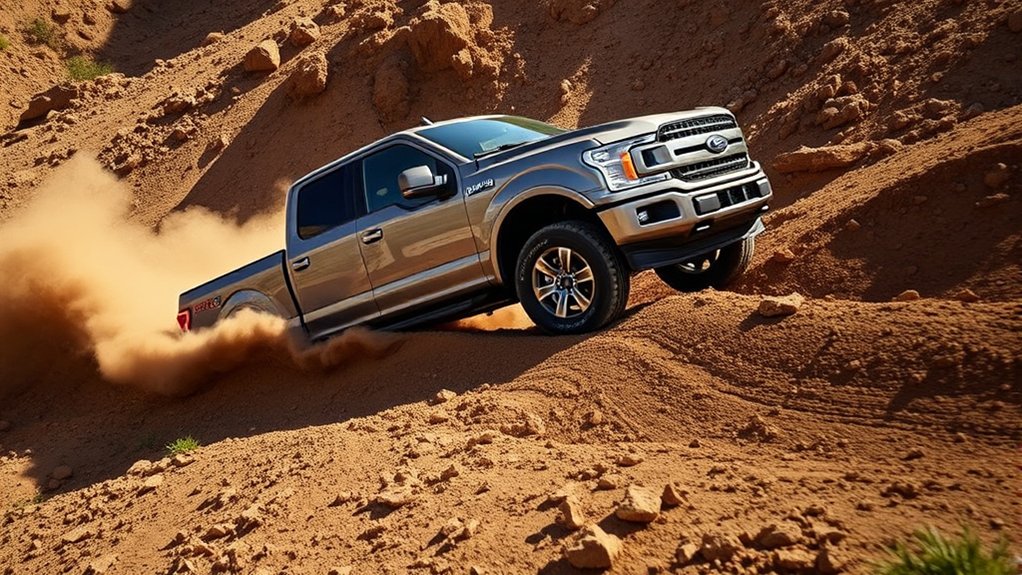
Hill Descent Control is a driver-assist feature that automatically helps your 2019 Ford F-150 maintain a controlled, low speed when descending a steep grade. You use it to reduce wheel lockup and keep the truck stable on loose, uneven surfaces.
The system monitors vehicle speed and applies braking as needed, so you don’t have to modulate the pedal constantly. That gives you better off-road traction and more predictable control on gravel, mud, or rock.
It also improves brake feel because you can focus on steering instead of feathering the brakes. Hill Descent Control doesn’t replace your judgment; it supports it when gravity and terrain increase the risk of runaway speed.
How to Activate Hill Descent Control
To activate Hill Descent Control in your 2019 F-150, press the HDC button after you’ve selected a low-speed off-road setting. Once it’s on, the system automatically manages downhill braking so you can focus on steering.
You should monitor vehicle speed and road conditions to confirm the system is maintaining the descent you want.
Activate Hill Descent
How do you turn on Hill Descent Control in a 2019 F-150? Press the Hill Descent Control button on the center stack or console when you’re in a low-speed off-road situation. The indicator light in the cluster confirms the system’s active state.
If you’re learning off road basics, keep the transmission in Drive or select a suitable low gear, depending on terrain and trim. Don’t confuse this with an unrelated topic like trailer brake setup; Hill Descent Control works only for controlled downhill driving.
You stay in command of steering while the truck manages braking on steep grades. Use it on firm surfaces with good traction, and engage it before the descent begins. This gives you the cleanest activation and the most predictable response.
Monitor Speed Control
Once Hill Descent Control is active, the truck automatically monitors vehicle speed and applies brake pressure as needed to hold a steady crawl. You keep your foot off the accelerator and brake, and the system uses wheel-speed data, tracking torque, and suspension tuning to manage descent on loose or uneven grades.
It responds faster than manual input, so you can focus on steering line and obstacle placement.
| Control Action | System Effect |
|---|---|
| Speed rises | Brake pressure increases |
| Grade steepens | Crawl rate stays stable |
| Wheel slip starts | Torque and brakes rebalance |
| Surface changes | Suspension tuning supports control |
If you feel the truck accelerate, reduce throttle input and let the electronics correct the descent.
How the System Controls Speed
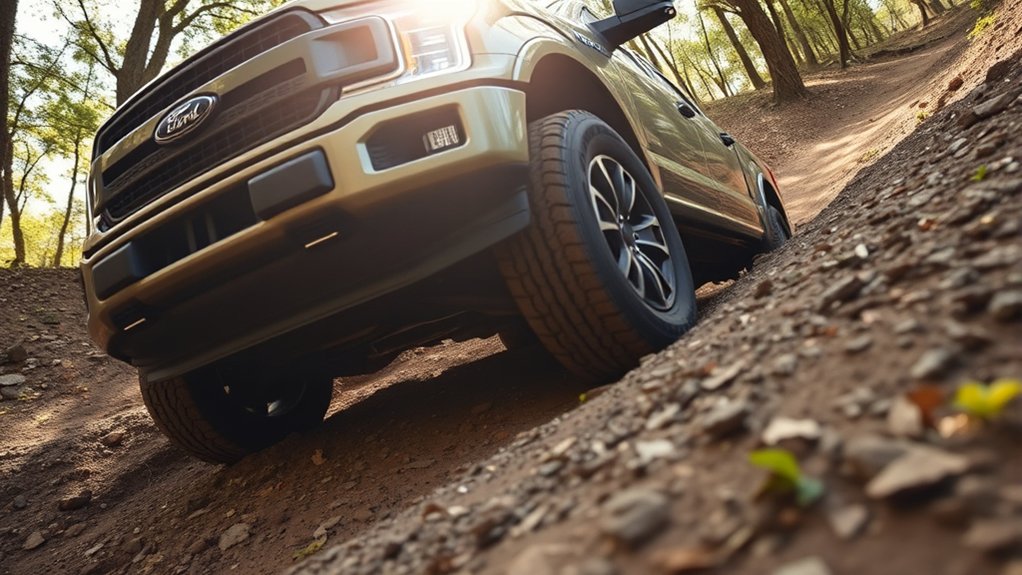
When you engage Hill Descent Control, the truck automatically regulates speed to hold a steady downhill crawl. It uses brake modulation to apply precise, intermittent braking at each wheel, so you don’t need to ride the pedal.
This control helps maintain traction and keeps your descent predictable on steep grades.
Speed Regulation
The F-150’s hill descent control keeps your speed in check by automatically modulating the brakes to hold a low, steady crawl on steep declines. You set a target range, and the system uses wheel-speed data to compare actual vehicle motion against that limit.
If momentum builds, it intervenes to reduce speed; if the truck slows too much, it eases off so you keep controlled forward motion. This two word idea1 logic supports two word idea2 response on loose gravel, mud, or wet pavement.
You still steer and choose the gear, but the truck regulates descent rate for you. That means less driver correction, more consistency, and better control when gravity wants to push you faster than you intend.
Brake Modulation
By pulsing the brakes in short, controlled bursts, the F-150’s hill descent control keeps the truck near your selected crawl speed without requiring constant pedal input. You feel brake modulation working through the ABS hydraulic unit, which applies pressure only as needed to limit runaway speed on steep grades.
Traction control monitors wheel slip and helps the system keep each tire gripping the surface, especially on loose dirt or wet rock.
| Condition | System response |
|---|---|
| Steep descent | Brake pressure increases |
| Wheel slip | Traction control intervenes |
You stay focused on steering while the truck manages braking force. This control strategy reduces driver workload and helps you descend predictably, even when surface grip changes suddenly.
When to Use Hill Descent Control
Hill Descent Control is best used on steep, low-traction declines where you need steady, controlled speed without constant brake input. You should engage it when hill descent conditions demand precise speed management on gravel, mud, loose rock, or wet dirt.
It helps you preserve off-road traction by reducing wheel lockup and letting the truck meter brake pressure for you. Use it when descending a grade that’s too steep or slick to manage comfortably with normal pedal control.
It’s also useful when you need to keep both hands focused on steering line choice. Avoid using it on flat roads, normal pavement, or situations where you want faster deceleration.
If the surface offers good grip and the slope is mild, manual braking gives you more direct control.
What It Feels Like on the Trail
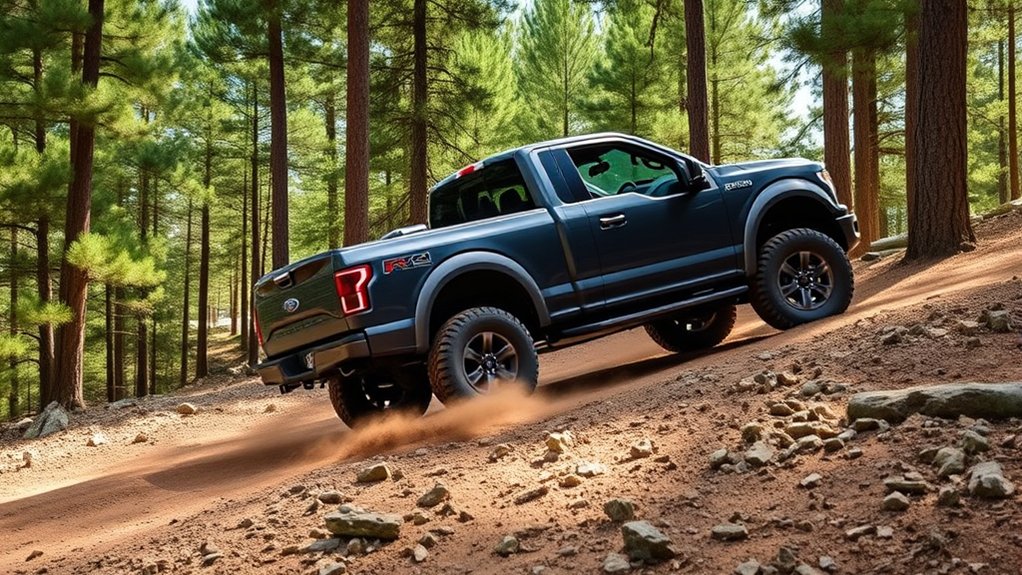
On the trail, Hill Descent Control feels like the truck is taking over the brake pedal in measured pulses while you focus on steering. You’ll notice a steady, controlled drag as the system manages speed without you riding the brakes.
Hill Descent Control modulates the brakes in steady pulses, letting you steer while the truck manages speed.
The cab stays calm, but you may feel a slight vibration through the chassis as each pulse engages. That creates a feeling of tension, especially on steep or loose grades, because the truck is constantly balancing gravity and traction.
You still steer normally, and the throttle stays mostly out of play. As the surface changes, tire grip feedback comes through the steering wheel and seat, helping you judge available traction.
The result feels deliberate, predictable, and mechanical, not aggressive, so you can place the truck with precision.
Common Problems and Fixes
If Hill Descent Control doesn’t engage, you should first check that you’re in the correct drive mode and at a speed low enough for activation, since the system won’t turn on outside its operating range. If the switch still won’t respond, inspect brake pedal input, traction control status, and any dash warnings.
A dirty wheel-speed sensor or low battery voltage can also disable the feature, so clean the sensor area and verify charging performance. If the truck hunts for speed on steep grades, reduce throttle input and let the system manage braking.
For a quick reset, cycle the ignition and reselect the mode. Persistent faults usually point to a stored code, so scan the module and repair the related circuit before off-road use.
Frequently Asked Questions
Does Hill Descent Control Work in Reverse?
No, you usually can’t use hill descent control in reverse. You’d rely on traction control instead.
It’s designed for forward slow descent, regulating brake pressure and speed on steep, loose terrain.
Can I Use Hill Descent Control in Snow?
Yes, you can use hill descent in snow; it helps maintain controlled speed downhill, improving snow performance. You should still steer carefully, because traction varies.
Doesn’t control matter most when conditions turn slick?
Does It Affect Fuel Economy?
Yes, it can lower fuel economy because you’re using brakes and low-speed control, not efficient cruising.
For maintenance tips, inspect brake pads, rotors, and fluid regularly, and use hill descent control only when needed.
Will It Work With a Trailer Attached?
Yes, it’ll work with a trailer attached if your F-150’s trailer compatibility is within ratings. Hill descent control uses brakes and drivetrain logic, and off road assist can still help, but stability depends on load and terrain.
Can I Adjust the Descent Speed Manually?
Yes, you can usually adjust Hill Descent speed manually, and you can do it with the cruise control buttons.
You press to lower or raise Descent Speed, and you’ll maintain more or less downhill braking control.
Conclusion
In your 2019 F-150, Hill Descent Control helps you keep a steady crawl on steep downhills by using the ABS system to brake individual wheels as needed. You select the feature, shift into drive, and let it manage speed while you steer.
Think of it like a careful co-pilot, not a replacement for you. Use it on loose, rough descents, and you’ll reduce wheel lockup while staying focused on the trail ahead.
By relying on this system, you can confidently navigate challenging terrain with the 2019 F-150 Hill Descent Control working to maintain your vehicle’s stability and control.


