Does the 2025 Ford f150 Hybrid Have Regenerative Braking
As an Amazon Associate we earn from qualifying purchases.
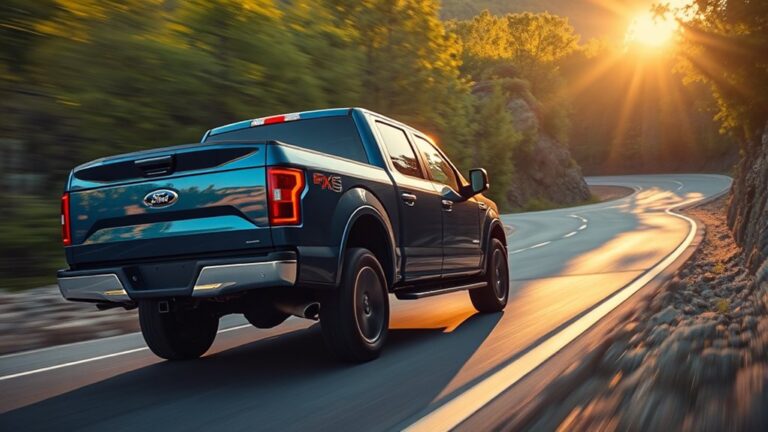
If you’re looking at the 2025 Ford F-150 Hybrid, you’ll want to know if it has regenerative braking and how the system performs in real driving conditions.
The truck does use regenerative braking, but it blends that with conventional friction brakes. This combination ensures smooth slowing without a harsh change in pedal feel.
That balance matters most in stop-and-go traffic, where the system can recover energy while keeping braking predictable.
What the system does at different speeds is where things get interesting.
Key Takeaways
- Yes, the 2025 Ford F-150 Hybrid uses regenerative braking to recover energy during deceleration.
- Regen braking works alongside conventional friction brakes, not as a replacement.
- Light braking and gradual slowing maximize energy recovery into the battery.
- The system automatically blends regen and friction for smooth, familiar pedal feel.
- It helps efficiency most in stop-and-go city driving and downhill conditions.
Does the 2025 Ford F-150 Hybrid Have Regenerative Braking?
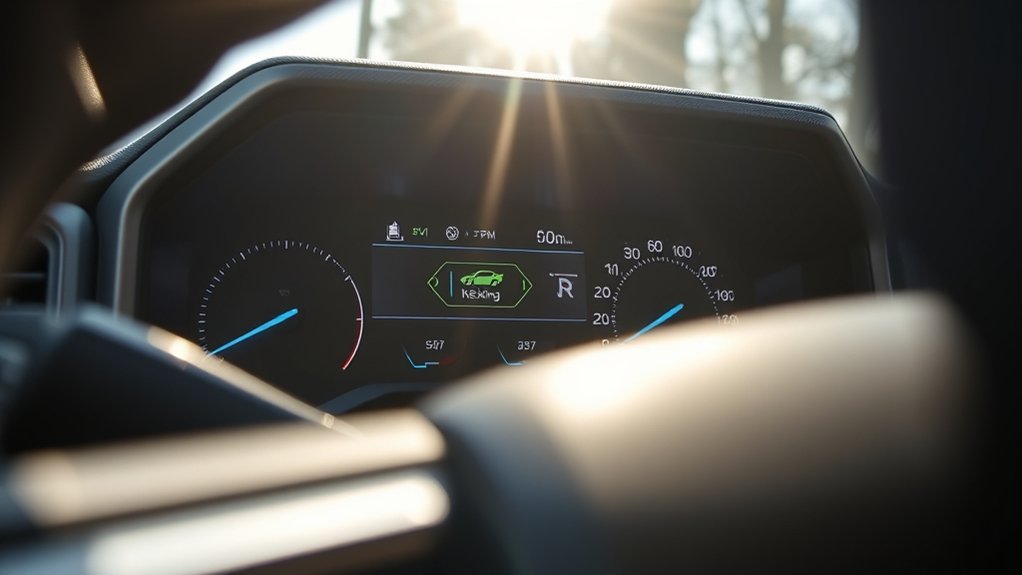
Yes, the 2025 Ford F-150 Hybrid does use regenerative braking. You’ll notice it whenever the truck slows and recovers some energy that would otherwise be lost. Ford pairs this feature with the hybrid system to support efficiency, not to replace normal braking.
In everyday driving, it can feel smooth and unobtrusive, so you won’t usually need to adjust how you drive. If you’re comparing charging aesthetics, the setup stays practical rather than flashy, and the truck doesn’t try to mimic EV-style theatrics.
The sound design also remains restrained, with no dramatic effects tied to energy recovery. For you, the key point is simple: the hybrid includes regenerative braking as part of its standard efficiency strategy, while keeping the driving experience familiar, controlled, and easy to understand.
How the F-150 Hybrid Braking System Works
The 2025 Ford F-150 Hybrid’s braking system blends conventional friction brakes with electric regenerative braking to slow the truck and capture energy at the same time. When you press the brake pedal, the truck’s control system decides how much stopping force should come from the electric motor and how much should come from the brake pads.
During gentle slowing, regenerative braking turns the motor into a generator, sending recovered energy back to the battery. If you need stronger deceleration, the friction brakes add the extra stopping power you expect. This cooperation helps maintain smooth pedal feel while improving system efficiency.
You don’t have to change your driving style; the truck manages the transition automatically, balancing energy recovery with dependable braking performance in normal conditions.
When Regen Braking Saves the Most Fuel
You’ll save the most fuel from regenerative braking in stop-and-go traffic, where frequent slowing lets the hybrid recover energy that would otherwise turn into heat.
It also helps on downhill driving, since the truck can capture more energy while you control speed on long descents. City delivery routes often deliver the biggest gains because repeated stops and starts give the system many chances to recharge the battery.
Stop-And-Go Traffic
In stop-and-go traffic, the 2025 Ford F-150 Hybrid’s regenerative braking can make a noticeable difference because each time you slow for lights, congestion, or short gaps in traffic, the electric motor can recapture some of that kinetic energy and send it back to the battery.
You’ll notice the system working most often when you ease off the accelerator and then brake gently, which helps reduce wasted energy during repeated speed changes. This matters more here than on a furious freeway cruise, where you brake less often.
In city traffic, the truck can also feel smoother as regen blends with friction braking. That can support a quieter, more silent ride at low speeds, while helping the hybrid conserve fuel during frequent starts and stops.
Downhill Driving
Downhill driving gives the 2025 Ford F-150 Hybrid one of its best chances to use regenerative braking effectively, since gravity is already helping the truck build speed that would otherwise need to be managed with the brakes. You can let the hybrid system recover energy while you maintain control on long downhill grading, which helps reduce fuel use and brake wear.
On steeper grades, the truck’s regen system can slow you smoothly before the friction brakes need to engage, especially during mountain road braking. You’ll usually see the biggest benefit when you descend at a steady pace instead of constantly accelerating and stopping.
The system works best when you anticipate the slope and ease off early, so the truck can capture more energy and keep the descent controlled.
City Delivery Routes
City delivery routes give the 2025 Ford F-150 Hybrid some of its biggest regenerative braking gains, because frequent stops, slow traffic, and repeated acceleration create constant opportunities to recapture energy. You’ll notice the system works best when you brake gently and often, since it can turn more kinetic energy into battery charge before you stop completely.
In stop-and-go streets, that extra recovered energy can reduce engine load and improve overall fuel use. You won’t see the same benefit on steady highway runs, where braking is infrequent. Avoid irrelevant topic or off topic discussion here, because the key point is how urban duty cycles maximize regen.
If you drive deliveries, you can expect the most value from routes with traffic lights, curb stops, and short gaps between accelerations.
How Regen Braking Feels on the Road

When the 2025 Ford F-150 Hybrid uses regenerative braking, you’ll feel the truck slow more gradually as you lift off the accelerator, with the deceleration building before the mechanical brakes take over. That transition can feel smooth in normal driving, but it may seem stronger than a conventional truck until you adjust to it.
If one-pedal driving is available in your setup, you can rely on the throttle more often to manage speed, especially in stop-and-go traffic.
Deceleration Feel On Road
On the road, regenerative braking in the 2025 Ford F-150 Hybrid tends to feel subtle rather than dramatic, so you usually notice a smooth, slightly stronger lift-off deceleration before the truck shifts to its conventional friction brakes. That handoff feels controlled, not abrupt, and you can modulate it with light pedal input.
In city traffic, you may sense the truck settling more quickly than a non-hybrid F-150, but the change is modest enough that it won’t distract you. On highways, the effect is even less noticeable, because steady-speed driving leaves little room for regen to matter.
If you’re expecting a pronounced drag, that’s an irrelevant topic; an unrelated question about aggressive braking doesn’t fit this driving feel.
One-Pedal Driving Behavior
If you’re wondering whether the 2025 Ford F-150 Hybrid supports true one-pedal driving, the answer is basically no. Its regenerative braking can slow the truck a bit when you lift off the accelerator, but it doesn’t deliver the strong, extended deceleration you’d need to drive comfortably without using the brake pedal. You’ll still need normal brake inputs in traffic and on hills. That said, the transition feels smooth enough that it won’t disrupt driving ergonomics.
- Lift off the pedal and feel modest drag.
- Expect a natural coast at low speeds.
- Use the brake pedal for real stopping power.
- Notice little change in interior noise during regen.
Regen Braking vs. Regular Braking
Regen braking and regular braking do the same basic job, slowing the truck, but they do it in different ways. With regen braking, you let the electric motor act as a generator, so it captures some kinetic energy and returns it to the battery.
With regular braking, friction pads clamp the rotors and turn that energy into heat. That difference matters in regen braking vs. fuel economy because recovered energy can reduce how often you need engine power in hybrid operation.
It also affects braking system design, since Ford blends electric and hydraulic braking to maintain predictable stopping force. You still rely on the conventional system for hard stops and low-speed control, but regen can supplement it during deceleration, making the overall setup more efficient.
What Drivers Notice in Daily Use
What you notice behind the wheel is usually subtle rather than dramatic. You feel the 2025 Ford F-150 Hybrid behave like a conventional truck most of the time, with smoother transitions at low speeds and less need for hard pedal input in stop-and-go traffic.
The ride quality stays composed, and the powertrain’s behavior seems familiar after a short drive. You may also notice engine noise changing more often as the system switches between electric assist and gasoline power.
- Braking feels predictable.
- Deceleration can seem slightly more gradual.
- Cabin responses stay quiet in light driving.
- Throttle inputs can feel more linear.
Best F-150 Hybrid Trims for Efficiency
For efficiency, the best 2025 Ford F-150 Hybrid trim is usually the one that matches your driving pattern without adding unnecessary weight or equipment. If you spend most of your time on pavement, you’ll often get the best results from a lower or midlevel trim with the available Hybrid powertrains, because it keeps curb weight and feature load in check.
That setup can help you maximize fuel savings in city traffic and steady cruising. If you need more capability, choose a trim with off road efficiency in mind, but know that aggressive tires, skid plates, and extra hardware can reduce economy. You should compare cab size, axle ratio, and 4×4 options carefully, since each one affects how efficiently the hybrid system works day to day.
Frequently Asked Questions
Does the Hybrid Battery Charge While Towing?
Yes, it can charge some while towing, mostly during deceleration and downhill regen braking overview, but heavy loads reduce opportunities.
You’ll usually see limited fuel economy impact benefits, since towing demands often outweigh charging gains.
Can Regen Braking Be Adjusted by the Driver?
No, you can’t adjust regen braking much; Ford handles it automatically, like a well-meaning chauffeur.
Regenerative regulation stays fixed, and you mainly influence brake power through driving style, not settings.
Does Cold Weather Reduce Regenerative Braking Performance?
Yes, cold weather can reduce regenerative effectiveness because batteries accept less charge when they’re cold. You may notice weaker braking recovery until the pack warms up, though the system still helps slow your truck efficiently.
How Does Regenerative Braking Affect Brake Pad Wear?
You’ll often cut brake wear by up to 50%, because regenerative braking slows your vehicle with the motor first, reducing pad friction.
You’ll still need pads, but they’ll last longer and need less frequent replacement.
Is Regen Braking Available in Four-Wheel-Drive Mode?
Yes, you can usually use regenerative braking in four wheel drive mode, if the vehicle’s hybrid system supports it. You’ll still feel normal deceleration, but traction and control settings may limit how much regen you get.
Conclusion
So, does your 2025 Ford F-150 Hybrid have regenerative braking? Yes—it does, and it works quietly in the background, blending electric braking with traditional friction brakes for smooth, predictable stops. You’ll notice the biggest benefits in city driving, where frequent slowing helps recharge the battery and improve efficiency.
In daily use, the system feels natural, not dramatic, making it a practical feature rather than a flashy one. It’s useful, seamless, and efficient.
Overall, the regenerative braking in the 2025 Ford F-150 Hybrid enhances driving efficiency while providing a smooth and controlled stopping experience.


