Does the 1992 Ford f150 Have a Electronic Ignition
As an Amazon Associate we earn from qualifying purchases.
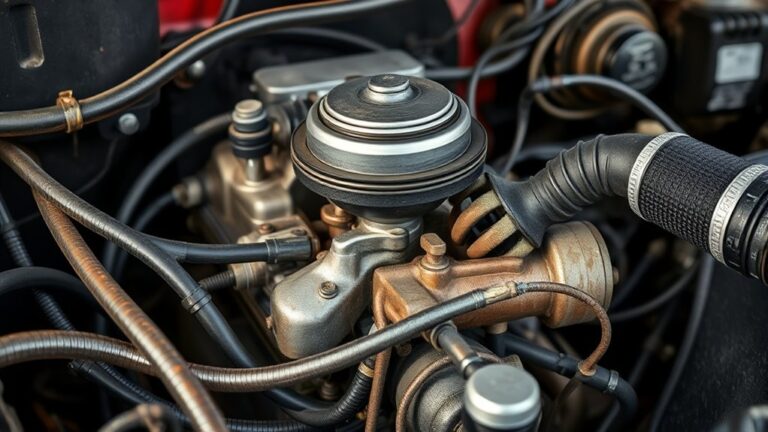
You won’t be chasing breaker points on a 1992 Ford F-150 because it has an electronic ignition system instead. This means the truck uses a computer-controlled setup that relies on sensors, wiring, a module, and a coil to manage spark timing.
That means your starting, idle, and performance issues usually point to a different set of checks—some of which aren’t obvious at first. Understanding this system can help you diagnose problems more effectively and keep your F-150 running smoothly.
Key Takeaways
- Yes, the 1992 Ford F-150 uses an electronic ignition system, not traditional breaker points.
- Its ignition is computer-managed and works with electronic fuel delivery and onboard diagnostics.
- The system uses an ignition coil, module, and timing sensor to control spark delivery.
- Routine service focuses on sensors, wiring, spark plugs, plug wires, and ignition connections.
- Common problems include hard starting, stalling, misfires, and weak spark rather than point wear.
Does the 1992 Ford F-150 Have Electronic Ignition?
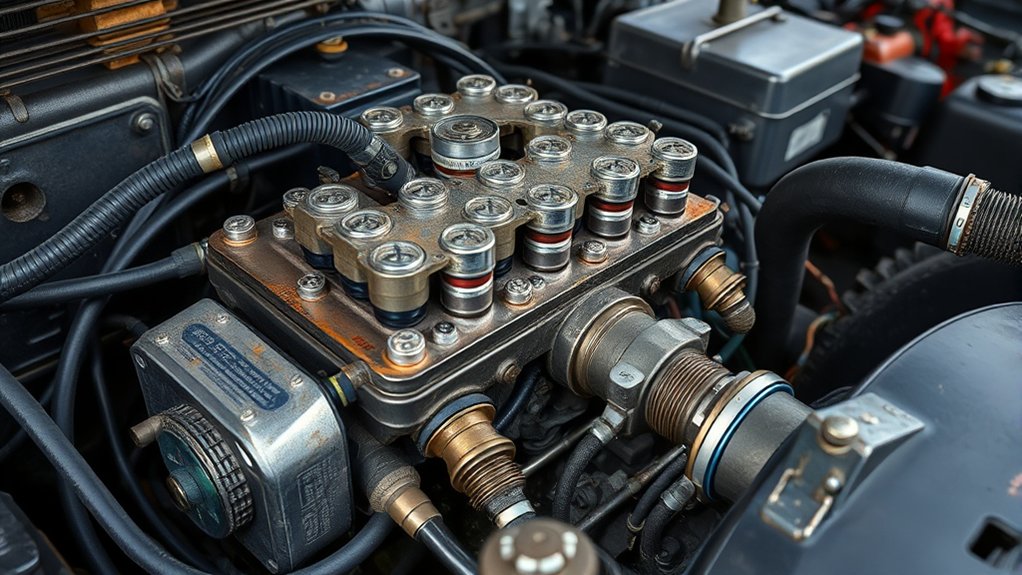
Yes, the 1992 Ford F-150 uses an electronic ignition system rather than a traditional points-style setup. You can treat it as a fully electronic, computer-managed package that supports electronic fuel delivery and works with onboard diagnostics.
The 1992 Ford F-150 uses an electronic ignition system, not a traditional points-style setup.
That means you won’t adjust breaker points or condenser parts during routine service. Instead, you’ll inspect sensors, wiring, ignition module connections, spark plugs, wires, cap, and rotor for wear or corrosion.
This setup improves reliability, cold starts, and timing consistency compared with older mechanical systems. It also offers better OBD compatibility, so you can diagnose faults with scan tools or code checks instead of guesswork.
If your truck cranks but won’t start, you should verify power, grounds, and spark before replacing components.
How the 1992 Ford F-150 Ignition System Works
The 1992 Ford F-150 ignition system uses an electronic control strategy to trigger spark without breaker points. You turn the key, the control circuit watches engine position, and it times each spark event for the cylinders. This approach improves reliability in ignition systems because it reduces mechanical wear and keeps timing stable under load.
If the engine misfires, you can verify operation with spark tests at the plug wire or coil output.
- Key on: the system powers up and waits for engine rotation.
- Cranking: it detects timing signals and commands spark.
- Running: it adjusts spark delivery as speed and load change.
You should expect clean starts, steady idle, and consistent acceleration when the system works correctly.
Main Electronic Ignition Parts on a 1992 F-150
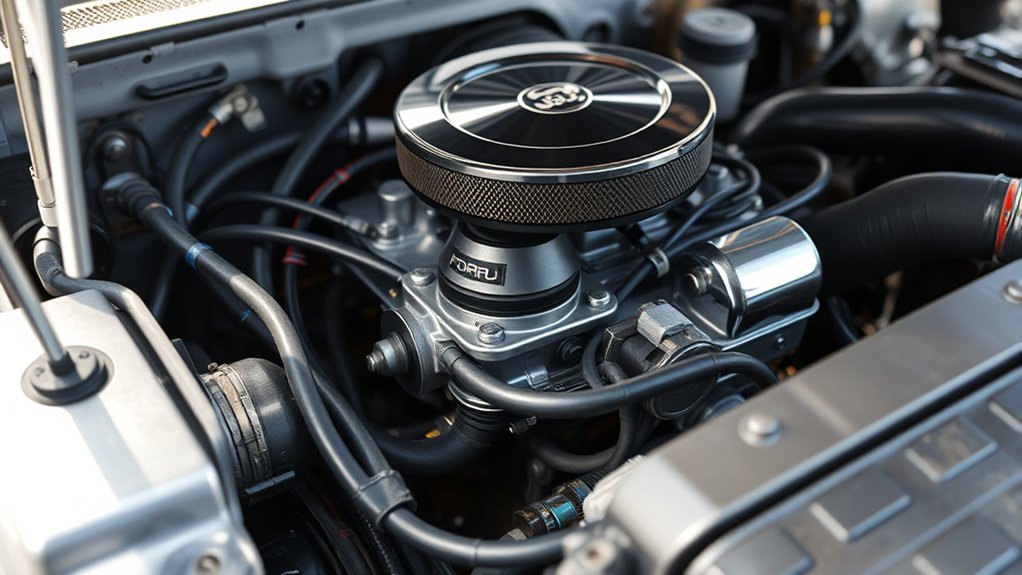
At the core of the 1992 Ford F-150’s electronic ignition are the ignition coil, ignition module, distributor pickup or crank sensor, spark plugs, plug wires, and the wiring that ties them together. You rely on the coil to step up battery voltage, while the module controls timing signals for spark delivery.
The pickup or crank sensor tells the system when to fire, and the distributor routes voltage if your truck uses that layout. Spark plugs ignite the mixture, and plug wires carry high voltage with minimal loss.
Good grounds and clean connectors matter because heat, vibration, and outside temperature changes affect resistance. When each part works correctly, you get stable combustion, smoother throttle response, and better fuel economy for your truck.
Common 1992 F-150 Ignition Symptoms
Common ignition problems on a 1992 F-150 usually show up as hard starting, intermittent stalling, rough idle, misfires, or a crank-no-start condition. You’ll notice the engine may fire, then die, or stumble under load. Don’t confuse these signs with fuel issues if the symptoms repeat when the engine’s warm.
Keep your focus on repeatable patterns, not random chatter or an irrelevant topic.
- Long crank time before start
- Engine cuts out at idle or cruise
- Hesitation, bucking, or uneven acceleration
If you hear backfiring through the intake or exhaust, that’s another practical clue. Weak spark often causes poor throttle response and elevated fuel smell. Track when the symptom happens, because that detail helps narrow the fault quickly and avoids wasted time.
How to Test the 1992 F-150 Ignition System
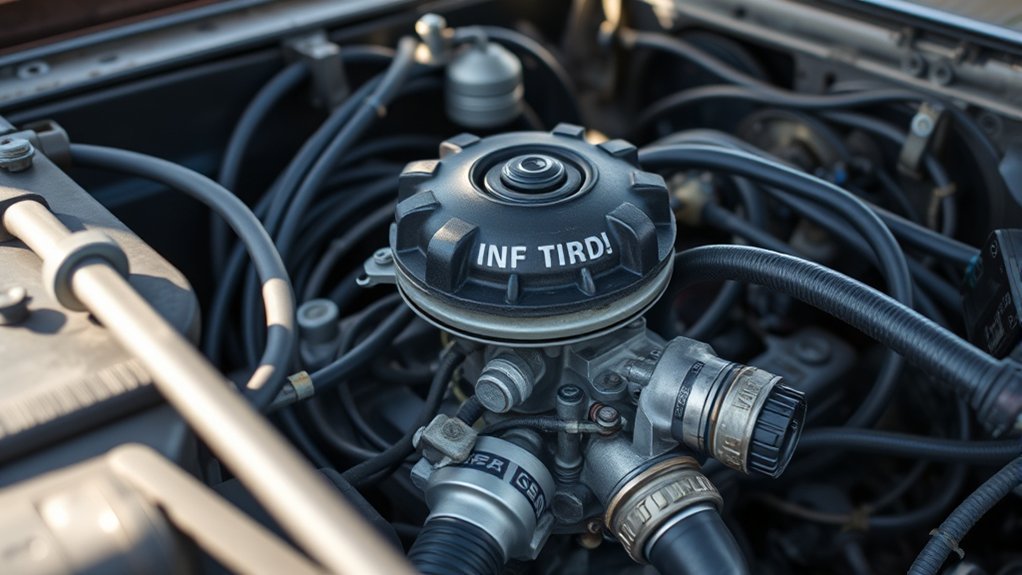
Start with the basics: verify spark, power, and trigger signals before you replace any parts. You’ll need a test light, multimeter, and an inline spark tester. Check battery voltage first; low voltage can mimic ignition failure.
Next, confirm power reaches the ignition coil with the key on, then probe the coil trigger wire while cranking. If you see voltage but no spark, test coil resistance against spec and inspect the distributor pickup, ignition module, and cap for damage.
On EFI models, verify the crank signal and grounds. Don’t get pulled into an irrelevant topic or unrelated debate about parts brands until you’ve isolated the fault. If spark is weak, inspect plugs, wires, and coil tower.
Frequently Asked Questions
What Engine Options Came With the 1992 Ford F-150?
You could get inline-six, 4.9L V6, 5.0L V8, 5.8L V8, or 7.5L V8 engines. Match ignition timing and fuel delivery to your exact engine code, because specs and tuning vary by configuration.
Which Ignition Coil Fits a 1992 Ford F-150?
You’ll need the coil matched to your engine: 4.9L six, 5.0L, 5.8L, or 7.5L V8. Verify the part by VIN; ignition humor won’t solve the coil mystery, but specs will.
Can a 1992 F-150 Be Converted to a Modern Ignition System?
Yes, you can convert your 1992 F-150, but you’ll need proper ignition compatibility checks. A modern conversion usually means you’re upgrading the coil, module, and wiring, so you should match parts to your engine and ECU.
Where Is the Ignition Module Located on a 1992 F-150?
You’ll find the ignition module on the distributor, usually under the cap on 5.0/5.8 engines. Check ignition timing after any distributor replacement, and verify the module’s base plate mounting, connector, and heat-sink contact.
What Tools Are Needed to Replace the Ignition Switch?
You’ll need a screwdriver set, 7/16-inch socket, trim tool, and flashlight for tools replacement; like a watchmaker’s bench, each fits a role.
Disconnect the battery, then check ignition timing after reinstalling the switch.
Conclusion
Yes, the 1992 Ford F-150 does use electronic ignition, not breaker points. When you turn the key, sensors, the ignition module, and the coil work together to control spark timing under computer command.
That means you can rule out points adjustment and focus on plugs, wires, pickup signals, wiring, and module health instead. If the truck cranks hard but won’t start, or idles poorly, the ignition system is a smart place to test first.
In conclusion, the 1992 Ford F-150 is equipped with electronic ignition, making it more reliable and easier to maintain compared to older systems.


