Does Ford Make Lincoln
As an Amazon Associate we earn from qualifying purchases.
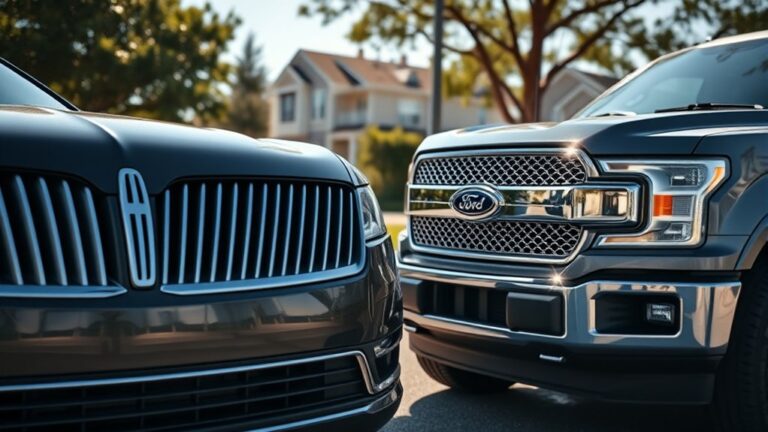
You may wonder who makes Lincoln, who owns Lincoln, and how Lincoln fits into Ford’s lineup. The short answer is yes: Ford does make Lincoln, and Lincoln serves as Ford’s luxury division.
The two brands share engineering, platforms, and manufacturing resources, yet Lincoln keeps its own premium identity. If you’re weighing one against the other, the differences matter more than you might think.
Key Takeaways
- Yes, Lincoln is Ford’s luxury division and is owned by Ford.
- Ford acquired Lincoln in 1922, bringing the brand under its control.
- Lincoln vehicles use Ford platforms, engines, and other shared engineering.
- Ford manages Lincoln’s manufacturing across multiple North American plants.
- Lincoln is marketed separately as a premium brand with its own design and dealerships.
Does Ford Make Lincoln?
Yes, Ford does make Lincoln. You can think of Lincoln as Ford’s luxury brand, built and sold under the Ford Motor Company umbrella.
When you compare the two, you’ll see that Ford handles the engineering, manufacturing oversight, and brand strategy behind Lincoln vehicles. That doesn’t mean every part is identical; each model gets distinct design, features, and tuning to target different buyers.
In practice, Ford’s scale helps Lincoln benefit from shared platforms, technology, and a coordinated supply chain. You’ll also find that industry regulation shapes how both brands are developed, especially for safety, emissions, and production standards.
How Ford and Lincoln Became Connected
You can trace Ford and Lincoln’s connection back to Ford’s 1922 acquisition of Lincoln. That move brought Lincoln under Ford’s ownership while preserving its separate brand identity.
You also see the link in shared engineering and manufacturing resources that developed over time.
Ford Acquires Lincoln
Lincoln didn’t start as a Ford brand; it became one later, when Ford Motor Company acquired the Lincoln Motor Company in 1922. You can trace that purchase to Ford’s goal of entering the luxury market with an established name.
After the acquisition, Ford kept Lincoln as a separate premium division, which helped preserve its brand perception among buyers who wanted something more refined than a standard Ford. You’d still notice differences in dealership experience, because Lincoln vehicles were marketed and sold with a more upscale presentation.
That separation let Ford expand its lineup without blending Lincoln into everyday Ford models. Over time, the relationship gave you a clear answer: Ford owns Lincoln, but Lincoln has its own identity within the Ford family.
Shared Engineering Roots
Ford’s ownership of Lincoln goes beyond branding, because the two companies have long shared engineering, platforms, and powertrains. You can see this connection in vehicles that borrow Ford architecture while adding Lincoln tuning, materials, and quieter cabins. That overlap helps Lincoln control costs and keep its lineup competitive without starting from scratch.
- Shared platforms let Lincoln launch models faster.
- Common engines and drivetrains simplify manufacturing.
- Ford’s technology base supports safety and infotainment features.
When you compare models, you’ll notice how legacy marketing highlights Lincoln’s premium image, even though Ford supplies much of the underlying hardware. This shared foundation can also affect insurance options, since similar repair parts and engineering may influence costs.
Is Lincoln Ford’s Luxury Brand?
Yes, Lincoln serves as Ford’s luxury division, offering upscale vehicles that sit above the core Ford lineup. You can see the difference in luxury branding, which helps Lincoln project a quieter, more premium identity.
Ford uses brand differentiation so you can choose a model that feels more refined without leaving the family of brands.
| Lincoln focus | Customer benefit |
|---|---|
| Premium materials | You get a richer cabin feel |
| Comfort-first tuning | You enjoy a smoother drive |
| Distinct styling | You notice a more elegant look |
| Advanced features | You access more convenience |
That positioning makes Lincoln a clear step up in price, content, and image. It’s not just a badge change; it’s Ford’s way of giving you a dedicated luxury choice.
Which Lincoln Models Share Ford Platforms?
When you compare Lincoln models with Ford vehicles, you’ll find that several share the same underlying platforms and architectures. The Lincoln Corsair, Nautilus, Aviator, and Navigator each pair with Ford counterparts or related Ford-built foundations, even though Lincoln tunes them for a more premium feel.
Looking at these platform-based comparisons helps you see where the brands differ in design, features, and driving character.
Shared Ford Architectures
Many Lincoln models are built on shared Ford architectures, which means they use the same underlying platforms, engineering, or components as comparable Ford vehicles. You’ll often see this in the way Lincoln balances comfort, performance, and efficiency while still keeping a distinct luxury identity.
Shared architectures can also support Ford safety features, since Ford and Lincoln can apply proven crash structures and driver-assist systems across brands. In Lincoln marketing, this connection is usually framed as smart engineering rather than simple badge sharing.
- Common platforms help reduce development costs.
- Shared parts can improve reliability and service access.
- Lincoln can tune the suspension, cabin, and software differently.
Lincoln Model Pairings
Lincoln’s lineup is easiest to understand when you look at its Ford counterparts: the Lincoln Corsair is closely related to the Ford Escape, the Lincoln Nautilus shares roots with the Ford Edge, and the larger Lincoln Navigator uses a Ford F-150-based body-on-frame structure.
You can use these pairings to see how Ford supports Lincoln with shared engineering, while each brand shapes its own buyer experience. These model links reflect current technology trends, especially in driver assistance, infotainment, and electrification planning.
They also raise supply chain ethics questions, since shared parts and sourcing choices affect labor, materials, and environmental standards. When you compare Lincoln models to their Ford relatives, you get a clearer view of how the brands connect without being identical in purpose or market position.
Platform-Based Comparisons
Which Lincoln models share Ford platforms, and what does that mean for buyers? You’ll find that several Lincoln vehicles ride on Ford engineering, even when Lincoln adds more upscale tuning, styling, and features. That shared structure supports historical branding while simplifying dealership logistics and parts service.
- Lincoln Corsair and Ford Escape: you get a compact SUV base with Lincoln refinement.
- Lincoln Nautilus and Ford Edge: you see similar architecture, but Lincoln delivers a quieter, more premium experience.
- Lincoln Navigator and Ford Expedition: you benefit from the same full-size SUV foundation, with Lincoln emphasizing luxury and technology.
How Lincoln Differs From Ford
Although Lincoln and Ford share the same corporate parent, they serve different purposes. You’ll usually notice Lincoln aims for a quieter, more upscale experience, while Ford focuses on broader utility and value. That split reflects the history of Ford ownership and different marketing strategies that position each brand for distinct buyers.
| Lincoln | Ford |
|---|---|
| Premium feel | Mainstream appeal |
| Softer ride | Practical range |
| Upscale cabin | Functional cabin |
| More luxury cues | More work-ready cues |
| Higher price | Wider affordability |
When you compare them, you can see Lincoln emphasizes comfort, refined materials, and a more exclusive image. Ford often highlights durability, versatility, and everyday usefulness. If you want a luxury-oriented choice, Lincoln stands apart without leaving the family.
Who Builds Lincoln Vehicles Today?
Today, Lincoln vehicles are built by Ford Motor Company, which owns the Lincoln brand and oversees its design, engineering, and production. You’ll see that Ford uses its global resources to support Lincoln’s luxury lineup while keeping the brand separate in styling and market position.
Lincoln models use Ford-developed platforms, powertrains, and manufacturing systems, but Lincoln teams shape the final driving feel, technology, and car interiors.
- Ford manages the engineering process.
- Lincoln focuses on premium design and comfort.
- Shared components can include gasoline engines and other core systems.
When you compare Lincoln with Ford, you’re really looking at a luxury division backed by the same parent company. That structure helps Lincoln deliver refined vehicles without handling every part of development alone.
Where Are Lincoln Vehicles Made?
Lincoln vehicles are built in several North American factories, depending on the model and trim. You’ll find key production in the United States, with some models assembled in Michigan and Kentucky, and others linked to plants in Mexico.
Ford manages these facilities, but each Lincoln nameplate may come from a different location, so you should check the specific model if you want exact origin details. This spread lets Lincoln match production to demand while keeping quality standards consistent.
For you, that means the badge reflects precision engineering across multiple assembly sites, not a single plant. It also helps explain the brand’s luxury pricing, since the manufacturing process supports refined materials, advanced technology, and careful final inspection in every vehicle.
Why Lincoln Sits Above Ford
Ford places Lincoln above its mainstream lineup by positioning it as the company’s luxury brand, with higher-end materials, quieter cabins, more advanced technology, and additional comfort features. You see this through its historical branding, which has long separated Lincoln from Ford’s mass-market image.
Its market positioning targets buyers who want a more refined driving experience without moving into ultra-luxury territory. 1. You get richer cabin materials. 2. You get more standard convenience and tech. 3. You get a calmer, more polished road feel.
That separation helps Lincoln stand apart while still benefiting from Ford’s engineering and scale. In practice, you’re looking at a premium badge designed to signal status, comfort, and exclusivity, not just another trim level.
What to Know Before Buying a Lincoln
Before you buy a Lincoln, it helps to know that you’re shopping for a premium vehicle with luxury-focused features, but also with Ford-based roots that can affect long-term ownership costs, parts availability, and reliability expectations.
You should compare trim levels carefully, since features like seating, noise insulation, and technology can vary widely. Check how the cabin fits your driving ergonomics, especially seat support, visibility, and control placement.
You’ll also want to review maintenance schedules and warranty coverage, because upkeep can shape the total cost of ownership. A strong dealership experience matters too, since service quality and loaner support can differ by location.
Test drive more than one model, and weigh comfort, resale value, and the specific options you’ll actually use.
Frequently Asked Questions
When Did Ford First Acquire Lincoln?
You’d say Ford first acquired Lincoln in 1922, when the Ford acquisition of Lincoln Motor Company happened.
Lincoln independence ended then, and you can trace today’s brand back to that purchase.
Is Lincoln Sold Outside the United States?
Absolutely, you can find the Lincoln brand outside the United States, but international sales are limited.
You’ll mostly see it in Canada, China, and a few other markets, where Lincoln’s presence isn’t widespread.
Do Ford Dealerships Service Lincoln Vehicles?
Yes, some FORD DEALERSHIPS service LINCOLN vehicles, and you can often have them SERVICE CARS too.
You’ll want to call ahead, because not every dealership handles Lincoln repairs, warranty work, or specialized parts.
Has Lincoln Ever Been an Independent Company?
No, you won’t find Lincoln truly independent; it’s a branch, not a tree. Ford bought it in 1922.
Are Lincoln Parts More Expensive Than Ford Parts?
Yes, you’ll usually pay more for Lincoln parts than Ford parts because Lincoln parts cost comparisons reflect premium materials and features.
You can sometimes save through Ford dealership service overlap, but prices still vary.
Conclusion
So, yes—Ford does make Lincoln, and you can think of Lincoln as Ford’s luxury division. You’ll see shared platforms, shared engineering, and shared manufacturing, yet you’ll also notice distinct styling, premium features, and a more upscale experience.
If you want refined comfort, advanced technology, and a brand that sits above Ford, Lincoln delivers that balance.
When you compare the two, you’ll find the connection is close, but the identities aren’t the same. In conclusion, Ford does make Lincoln, but Lincoln stands out as its own luxury brand.


