Does a Ford f150 Qualify for Section 179
As an Amazon Associate we earn from qualifying purchases.
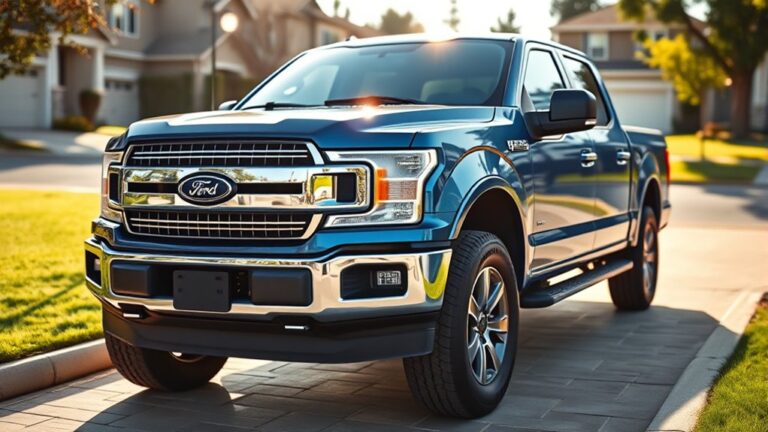
You may not realize that a Ford F-150’s qualification for Section 179 treatment turns on GVWR, not curb weight. If you use the truck more than 50% for business, you can usually claim a deduction.
However, the trim, weight class, and year placed in service can change the result. New and used models don’t always follow the same practical limits, and the details can shift the outcome.
Key Takeaways
- Yes, a Ford F-150 can qualify for Section 179 if it is used more than 50% for business.
- GVWR matters more than curb weight; trucks over 6,000 pounds usually get more favorable Section 179 treatment.
- Personal use must be excluded, and contemporaneous mileage logs should prove business use.
- The deduction is claimed in the year the truck is placed in service and is limited by IRS annual caps and phase-outs.
- New and used F-150s may qualify, but trim, payload, and configuration should be verified with a tax adviser.
Does a Ford F-150 Qualify for Section 179?
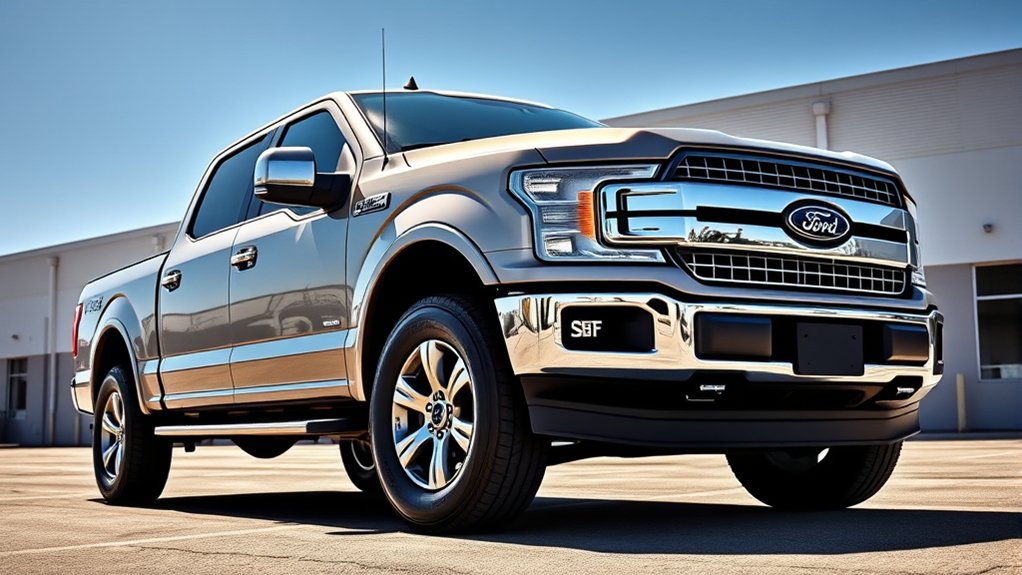
Yes a Ford F-150 can qualify for Section 179 if you use it more than 50% for business and it meets the IRS’s vehicle weight and usage requirements. You may generally deduct qualifying business-use costs in the year you place the truck in service, subject to annual limits and income restrictions.
You should document mileage, business purpose, and acquisition date to support the claim. If you use the truck partly for personal driving, you can only deduct the business-use portion.
Do not confuse this analysis with an unrelated topic or an off topic issue, such as depreciation methods for nonbusiness assets. You should verify the truck’s configuration and your tax position with a qualified advisor before filing, because your deduction depends on facts, records, and current IRS guidance.
What F-150 Weight Limits Count for Section 179?
For Section 179 purposes, the key F-150 weight threshold is the truck’s gross vehicle weight rating (GVWR), not its curb weight. You should confirm the manufacturer label before you claim any deduction, because the IRS uses GVWR to classify the vehicle. Use this idea compare framework:
| Metric | Relevant? | Section 179 impact |
|---|---|---|
| GVWR | Yes | Determines weight class |
| Curb weight | No | Doesn’t control eligibility |
| Payload rating | Indirect | Supports configuration review |
If your F-150’s GVWR exceeds 6,000 pounds, you may fall into a more favorable deduction category. If it’s 6,000 pounds or less, the limits tighten.
For a practical idea share, review the door-jamb certification label and the factory specification sheet together. That comparison helps you document the truck’s qualifying weight class accurately.
How Much Business Use Is Required?
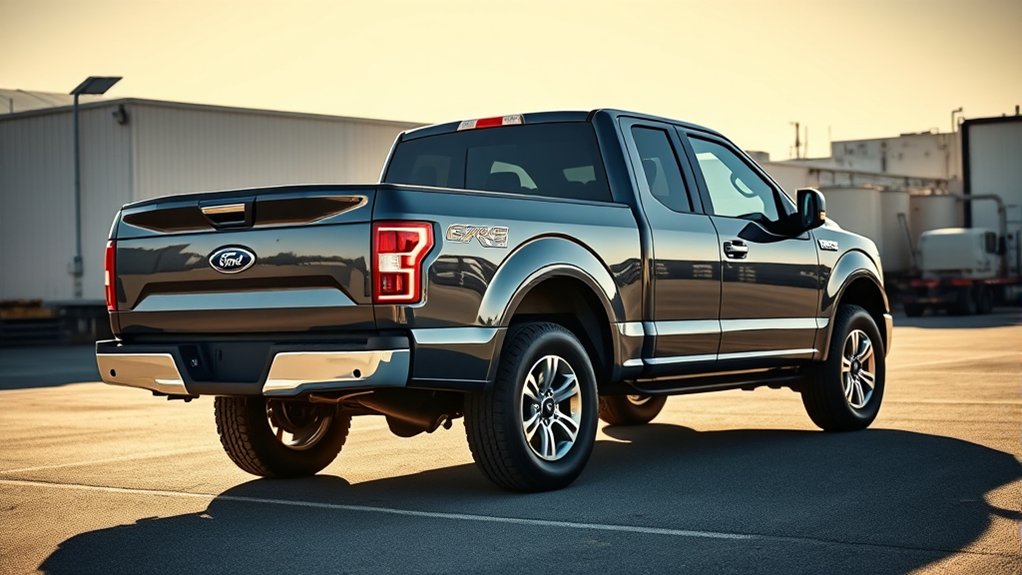
To qualify for Section 179, you generally need to use your Ford F-150 for business more than 50% of the time. If you also use it for personal trips, you’ll need to separate business and mixed-use miles with accurate records.
Proper documentation is essential because the IRS relies on your log to support the business-use threshold.
Business Use Threshold
How much of your Ford F-150’s use must be business-related to claim Section 179? You generally need more than 50% qualified business use in the year you place it in service. This threshold determines whether you can elect immediate expensing or must use standard depreciation methods.
Evaluate trade off considerations carefully, because Section 179 can accelerate deductions but requires substantiation of business purpose.
| Metric | Requirement |
|---|---|
| Business use | Over 50% |
| Vehicle status | Qualified business asset |
| Deduction method | Section 179 election |
| Documentation | Contemporaneous records |
If your use falls below the threshold, you can’t claim the election for that asset. Maintain mileage logs, invoices, and assignment records to support the percentage you report.
Mixed Personal Use
Mixed personal use can affect whether your Ford F-150 still qualifies for Section 179, because you must use the truck more than 50% for business in the year you place it in service. If you use the vehicle for commuting, errands, or other nonbusiness trips, you reduce the business-use percentage and may limit the deduction.
You should calculate use carefully, since Section 179 applies only to the portion tied to qualified business activity. When you explore deduction options, mixed use driving matters because the IRS treats personal miles as separate from business miles.
If your business percentage falls to 50% or less, the truck no longer qualifies under this rule, and you’ll need to rely on other depreciation methods for the vehicle.
Recordkeeping Requirements
You’ll need contemporaneous records to prove that your Ford F-150 meets Section 179’s more-than-50% business-use threshold in the year you place it in service. Log every trip, date, odometer reading, destination, and business purpose. Retain receipts, maintenance invoices, and financing documents to support your depreciation strategy and substantiate use patterns tied to fuel economy.
- A mileage log on the dashboard.
- Fuel receipts lined beside a route map.
- A calendar marked with client visits.
- An odometer photo at year-end.
If personal miles rise, your percentage drops, and recapture risk increases. Keep records monthly, not annually, and reconcile them with your tax return. Precise documentation strengthens your claim and reduces audit exposure.
Which Ford F-150 Trims May Qualify?
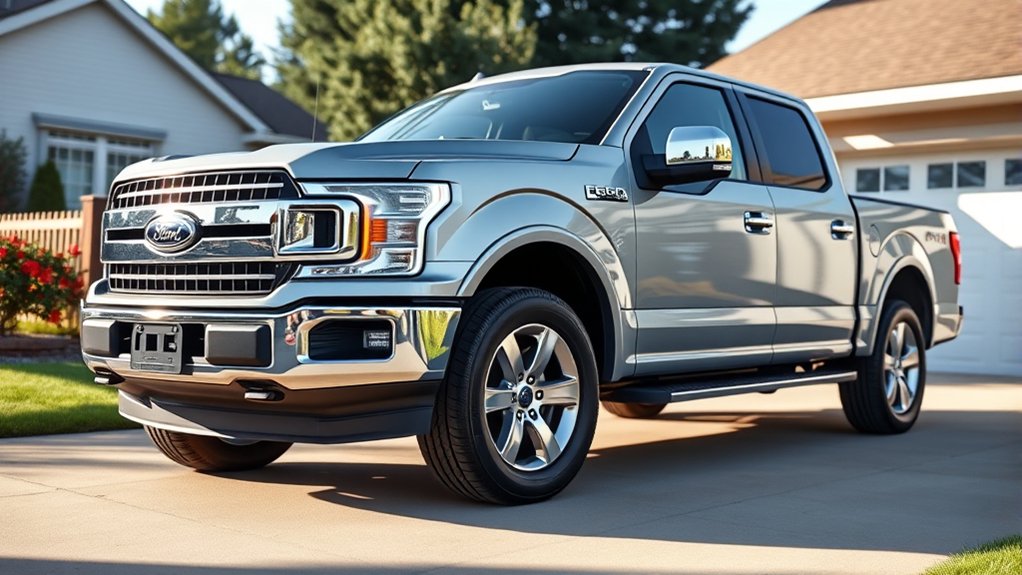
You should first evaluate the base trim, since its curb weight and configuration can affect Section 179 eligibility. You’ll also need to check SuperCrew payload limits, because higher passenger capacity can reduce the amount available for qualifying business use.
Heavy-duty package options may improve qualification, but you must verify the exact factory ratings and specifications for each truck.
Base Trim Eligibility
When evaluating base trim eligibility, the Ford F-150’s qualification for Section 179 depends less on the badge and more on the vehicle’s gross vehicle weight rating, cargo configuration, and business use percentage. You should treat the deduction as a non tax credit that accelerates vehicle depreciation for eligible business assets.
Base XL and other work-oriented trims often fit Section 179 when they meet IRS weight and use tests.
- A plain-cab truck parked beside a jobsite trailer.
- Steel bed sides carrying tools and materials.
- A dealer sticker showing GVWR above the threshold.
- A ledger marking business miles and expense records.
If you keep the truck primarily for work, you can usually support eligibility with documented business use and purchase records.
SuperCrew Payload Limits
SuperCrew payload limits can determine whether a Ford F-150 clears Section 179 thresholds, because the IRS looks at GVWR, curb weight, and business use rather than body style alone. You should verify the door-jamb label and compare the truck’s payload rating with its gross vehicle weight rating before you claim the deduction.
Many SuperCrew trims with lighter equipment and lower curb weights can qualify, while higher-option configurations may fall short. You’ll need accurate expense tracking to document purchase price, business use, and operating records.
Your depreciation methods should align with the vehicle’s tax treatment, since Section 179 affects how you recover cost. Review the trim’s published specifications, then confirm the numbers with your dealer or tax adviser before filing.
Heavy-Duty Package Options
Heavy-duty package options can also affect whether a Ford F-150 meets Section 179 requirements, because added equipment changes curb weight, GVWR, and payload capacity. You should verify each trim’s factory ratings before you claim the deduction, since heavy duty components can move the truck across IRS thresholds.
Trims with tow, payload, or snow-plow prep packages may qualify more often when they exceed the required gross vehicle weight.
- A work-ready XLT with HD payload springs.
- An FX4 with reinforced suspension and skid plates.
- A Lariat equipped with heavy duty tow hardware.
- A Platinum carrying upgraded cooling and payload limits.
You’ll need the door-jamb label, option codes, and invoice to support your filing.
Do New and Used F-150s Qualify the Same Way?
New and used Ford F-150s can both qualify for Section 179, but they must meet the same core business-use requirements. You must place either vehicle into service during the tax year and use it more than 50% for business.
The purchase type doesn’t change the eligibility analysis; however, you should document mileage, duty cycle, and business purpose with precision. A used truck can still qualify if you acquire it from an unrelated party and use it in an active trade or business.
Because you may also consider theft prevention and paint protection accessories, confirm whether those items are capitalized separately or included in the truck’s basis. Keep invoices, registration records, and operating logs consistent so your deduction position remains supportable under IRS scrutiny.
What Section 179 Limits Apply to F-150s?
Section 179 can cover an F-150, but the deduction is capped by the annual expensing limit and further reduced if your total qualifying equipment purchases exceed the phase-out threshold for the tax year. You can’t treat the truck as unlimited write-off property; you must measure the amount against the federal ceiling and your taxable income.
Deduction timing matters, because you claim the expense in the year you place the vehicle in service. Vehicle depreciation may then apply to any remaining basis after the Section 179 election.
- A work truck parked at a jobsite
- A ledger with purchase figures
- A calendar marked year-end
- A declining tax basis column
What Records Do You Need to Claim the Deduction?
To claim the deduction, you need documentation that proves business use, purchase price, and service date for the F-150. You should retain a purchase invoice, financing agreement if applicable, and records showing when you placed the truck in service.
To claim the deduction, keep proof of business use, purchase price, and the truck’s service date.
Keep mileage logs that distinguish business from personal travel, because your deduction depends on usage percentage. You’ll also want maintenance costs, fuel efficiency records, and repair receipts, since these support operational use and corroborate business activity.
If you’ve made modifications or purchased equipment, keep separate invoices. Preserve registration, title, and insurance documents, too. Organize everything by tax year and keep copies for at least the audit period.
Accurate records reduce exposure if the IRS questions your claim and help you substantiate the vehicle’s qualifying business purpose.
How Do You Claim Section 179 on an F-150?
After you’ve gathered the records that support business use, you claim Section 179 on your federal tax return by completing the relevant asset depreciation forms and reporting the F-150 as a qualifying business asset. You then calculate the deductible amount, subject to tax eligibility limits and your business-use percentage.
On Form 4562, you identify the truck, place-in-service date, cost basis, and elected deduction. If you finance the vehicle, you still claim the deduction on the purchase price, not monthly payments. Keep documentation showing vehicle depreciation, mileage logs, and business purpose.
- A pickup parked at a jobsite gate
- A ledger with expense entries
- A mileage log beside a clipboard
- A tax form marked with figures
Frequently Asked Questions
Can Leased Ford F-150s Qualify for Section 179?
Yes, you can’t claim Section 179 on leased Ford F-150s; you must own the vehicle. In leasing vs financing, financing may qualify.
You can still deduct business use and certain aftermarket deduction expenses.
Does Financing an F-150 Affect Section 179 Eligibility?
Financing an F-150 doesn’t usually change your Section 179 eligibility; you’re still claiming deductions on qualifying business use.
You’ll just need to track financing impact and eligibility nuances, like title, placement-in-service, and deduction limits.
Are Aftermarket Accessories Included in the Deduction?
Yes, you can usually include aftermarket upgrades if you place them in service with the vehicle and capitalize them properly. You’ll coordinate depreciation timing with Section 179 rules, but separately billed accessories may need distinct treatment.
Can Section 179 Apply to Both Trucks and Trailers?
Yes, how delightfully simple, you can apply Section 179 to both trucks and trailers if they qualify as business assets.
You’ll need separate tax treatment and two-word discussion ideas for documentation, though.
What Happens if Business Use Drops Below 50%?
You’ll generally have to recapture part of the Section 179 deduction and excess vehicle expense as business depreciation if business use drops below 50%. You’ll also lose future accelerated treatment until qualifying use rises again.
Conclusion
A Ford F-150 can qualify for Section 179 when you use it more than 50% for business and the vehicle’s GVWR fits the applicable limits. Keep detailed mileage logs, purchase records, and your in-service date to support the claim on Form 4562.
In practice, the IRS measures eligibility by weight class and business use, not curb appeal. With over 700,000 F-Series trucks sold in a year, documentation matters as much as the truck itself.
In conclusion, a Ford F-150 qualifies for Section 179 if it meets the business use and weight requirements, making proper documentation essential for claiming this deduction.


