Do They Still Make the Ford Flex
As an Amazon Associate we earn from qualifying purchases.
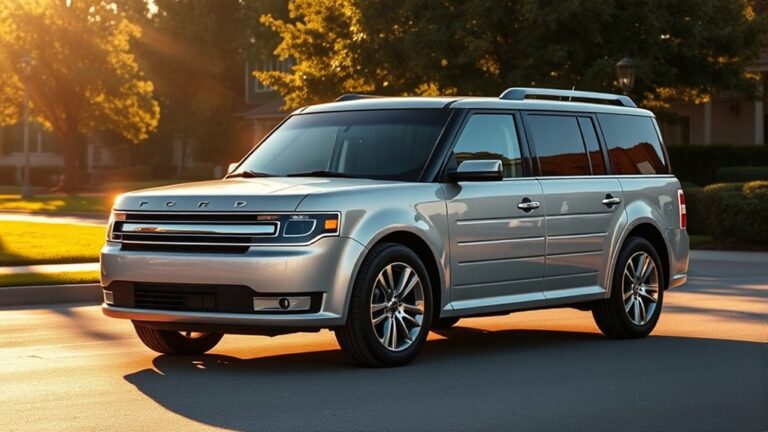
The Ford Flex has drifted off the showroom floor like a ship after sunset. If you’re wondering, “Do they still make the Ford Flex?” the answer is no. You won’t find it in Ford’s current lineup because production ended after the 2019 model year, though used examples are still out there.
Its boxy shape and three-row layout made it useful for families. However, its place now is in Ford’s past. What changed, and what should you look for if one catches your eye?
Key Takeaways
- No, Ford stopped making the Flex after the 2019 model year.
- There are no new Ford Flex models at dealerships today.
- Final Flex units were built in 2019 and sold later from existing stock.
- You can still buy a Ford Flex used, but only on the used market.
- Outdated online listings may suggest availability, so verify current inventory carefully.
Is the Ford Flex Still in Production?
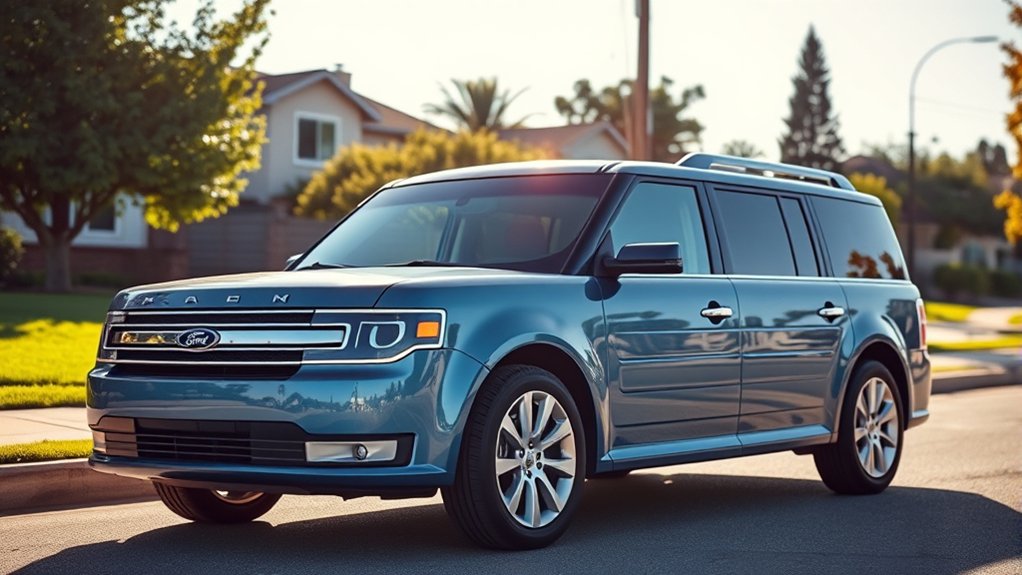
No, the Ford Flex is no longer in production. If you’re checking for a new model, you won’t find one at Ford dealerships because assembly ended after the 2019 model year.
The Ford Flex is discontinued, with production ending after the 2019 model year.
You can still buy a used Ford Flex, but it’s no longer sold as a current vehicle. Ford has shifted its focus to other SUVs and crossovers, so this model isn’t part of the active lineup.
If you see a random note online suggesting otherwise, verify the source, since outdated listings can be misleading. That’s an unrelated topic, but it matters when you’re researching availability.
For the clearest answer, the Ford Flex is discontinued, and you should look to the used market if you want one.
Why the Ford Flex Stood Out
What made the Ford Flex memorable was its boxy shape, spacious cabin, and uncommon blend of SUV practicality with wagon-like driving manners. You’d notice it because it didn’t chase the usual crossover formula.
Its long, flat roofline gave you more usable headroom, while the three-row layout offered real flexibility for passengers and cargo. The styling also created an alternative history feel, as if Ford had kept a classic family wagon and updated it for modern roads.
Inside, you got a wide dashboard, straightforward controls, and available features that matched its upscale intent. Ford’s marketing strategies highlighted comfort, space, and individuality, helping the Flex stand apart from softer, rounded competitors. That distinct identity made it easier for you to recognize and remember.
When Ford Stopped Making the Flex
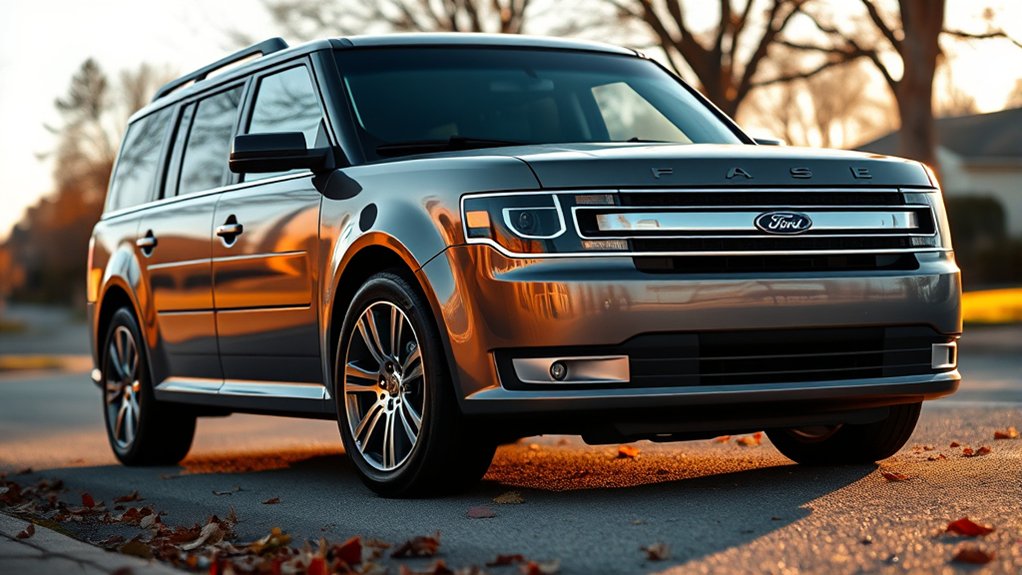
Ford’s distinctive design helped it stand out, but production didn’t last forever. You should know Ford ended Flex production after the 2019 model year, with the final units built in 2019 and sold afterward until inventories cleared. That timeline matters if you’re tracking availability or comparing market data.
| Detail | Status |
|---|---|
| Final model year | 2019 |
| Production end | 2019 |
| Sales after build | Remaining inventory |
| Reason cited | Market demand shift |
| Common issue | Information gaps |
You may notice unrelated trends, like SUVs gaining popularity, shaped Ford’s decision more than the Flex itself. Because Ford didn’t replace it directly, you’ll find information gaps in later model planning.
Ford Flex Model Years and Generations
The Ford Flex ran as a single-generation model from its 2009 debut through the 2019 model year, so you won’t find a full redesign during its lifespan. You can treat every Flex as part of the same basic platform, but model year nuances still matter.
Early versions offered different trim choices, while later updates added equipment changes, styling revisions, and tech improvements. If you compare model years, you’ll notice generation differences don’t apply here the way they do with vehicles that receive complete redesigns.
Instead, you should focus on yearly updates, engine availability, and feature packages. That makes the Flex easier to track across its run, because Ford kept its core layout consistent while refining details from year to year.
Why Families Loved the Ford Flex
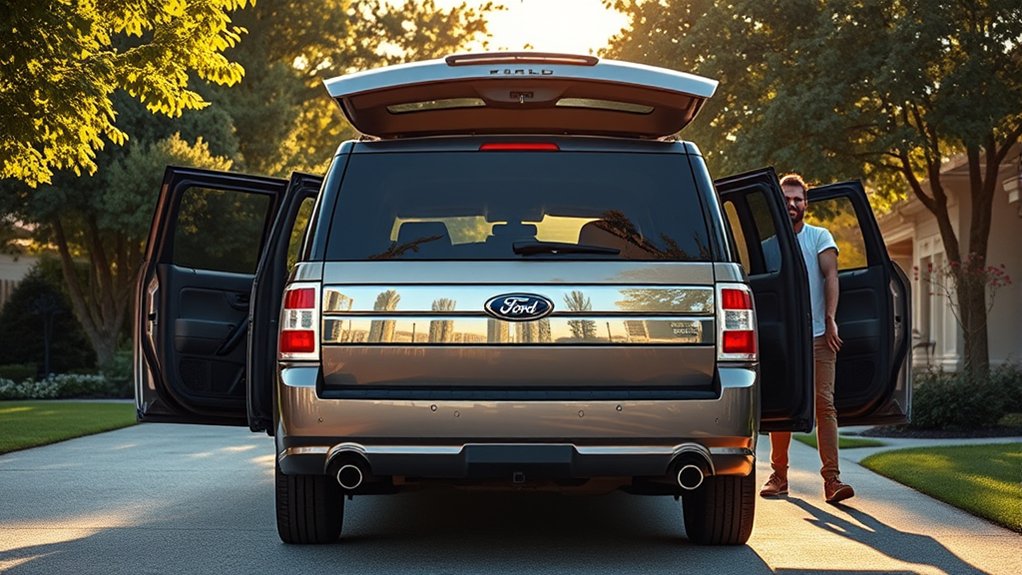
Families liked the Ford Flex because it combined three-row practicality with an easy-to-use cabin and a boxy shape that maximized passenger and cargo space. You got seating that made family dynamics easier, especially when you needed to balance kids, adults, and gear without constant rearranging.
The flat floor and wide doors helped you load passengers quickly, and the long roofline gave you room for strollers, luggage, or sports equipment. On road trips, you could appreciate the relaxed seating position and the sense that everyone had enough space.
The Flex also appealed to you if you wanted an SUV that felt straightforward instead of oversized or complicated. Its design fit daily errands and longer drives, which made it useful for households that needed versatility.
Ford Flex Features Worth Wanting Used
If you’re shopping used, the Ford Flex still stands out for its spacious three-row cabin, which gives you generous room for passengers and cargo.
You’ll also get strong V6 power, and that can make everyday driving and highway merging feel more confident. Together, these features help explain why the Flex remains appealing on the used market.
Spacious Three-Row Cabin
One of the Ford Flex’s biggest draws is its roomy three-row cabin, which gives you generous passenger space without the bulk of a traditional full-size SUV. You can fit adults in the first two rows and still use the third row for kids or shorter trips.
Flat floors and wide door openings make entry easier, while the tall roof helps you sit upright. If you’re comparing trims, this layout stays useful across model years.
| Seating area | Benefit |
|---|---|
| Front row | Easy access, good visibility |
| Second row | Adult-friendly legroom |
| Third row | Practical for extra passengers |
| Cargo use | Fold seats for more space |
For two word discussion ideas, the cabin’s layout also keeps an unrelated topic focused on everyday usability.
Strong V6 Power
The Ford Flex’s available V6 engines deliver smooth, confident acceleration that still feels strong in everyday driving. You get strong V6 power from a 3.5-liter setup that makes merging, passing, and highway cruising easy.
If you choose the turbocharged EcoBoost version, you’ll notice quicker response and extra passing muscle without losing refinement. That power pairs well with the three row cabin, because you can carry passengers and still feel in control with a full load.
The Flex’s powertrain feels composed, not strained, so it suits commuting and road trips alike.
- You’ll appreciate the easy surge when traffic tightens.
- You’ll feel more relaxed on long trips.
- You’ll get confidence when the cabin’s full.
Ford Flex Reliability and Common Problems
When you’re looking at the Ford Flex’s reliability, you’ll find a mixed record: many owners praise its roomy cabin and long-term durability, but common issues include worn suspension components, power steering problems, faulty door seals, and occasional transmission complaints.
You can separate reliability myths from real concerns by checking maintenance history and repair records instead of relying on anecdotes. Regular oil changes, brake service, and fluid checks can help control maintenance costs and reduce surprise breakdowns.
You should also watch for uneven tire wear, steering noise, and water leaks, since these often point to age-related wear rather than major design failure. Overall, the Flex can be dependable if you stay ahead of routine service and address small problems before they grow.
Should You Buy a Used Ford Flex?
If you’re considering a used Ford Flex, it can be a smart choice if you want a spacious three-row crossover with a comfortable ride and strong practicality. You should inspect maintenance records, confirm regular service, and check for wear on suspension, electronics, and door seals. Because these vehicles are older, practical concerns matter more than style alone.
The Flex also offers design nostalgia, so you may value its boxy look and roomy cabin.
- You’ll enjoy easy access and generous cargo space.
- You may appreciate a quiet, relaxed drive.
- You should budget for age-related repairs.
If the example you find is clean, well-documented, and priced fairly, buying used can make sense. Otherwise, walk away and keep searching.
Ford Flex Alternatives on the Market
Several modern three-row crossovers can fill the gap left by the Ford Flex, especially if you want similar space and comfort without hunting for a discontinued model. You can look at the Honda Pilot, Kia Telluride, Hyundai Palisade, and Toyota Grand Highlander for roomy cabins and easy-to-use technology.
If you need a boxy feel, the Chevrolet Traverse and Volkswagen Atlas offer generous cargo space and straightforward seating. For mindful budgeting, compare base trims, warranty coverage, and fuel economy before you decide.
If you prefer eco conscious choices, consider hybrid versions such as the Toyota Grand Highlander Hybrid or other electrified options. You’ll also want to test third-row access, ride quality, and parking ease, since those details affect daily use more than styling alone.
The Ford Flex’s Legacy at Ford
The Ford Flex left a distinct mark on Ford’s lineup by offering a boxy, family-friendly alternative to more conventional SUVs. You can see its legacy in how it blended wagon-like space with crossover comfort, giving buyers something genuinely different.
Ford used it to test design boldness, even if a marketing mismatch limited wider appeal. Today, you may feel nostalgic nostalgia for its straight-edged styling and roomy interior, because it stood apart in a crowded market.
Its influence shows how Ford can still benefit from niche models that build brand character.
- You remember a vehicle that didn’t follow trends.
- You value the comfort and visibility it delivered.
- You notice how rarity can deepen attachment.
Frequently Asked Questions
What Engine Options Did the Ford Flex Offer?
You’d find Ford Flex engine options included a 3.5L V6, a turbocharged 3.5L EcoBoost V6, and, later, a 3.5L V6. Transmission choices were mostly a six-speed automatic, depending on trim and year.
How Many People Could the Ford Flex Seat?
You’d think a boxy crossover couldn’t fit many, but the Ford Flex offered seven seats in available three-row trim. Standard seating capacity was six with second-row captain’s chairs, depending on configuration.
Did the Ford Flex Have All-Wheel Drive?
Yes, you could get the Ford Flex with all-wheel drive on select trims. That option improved traction and handling, though not every model had it.
Check trim details, and did ford logistics, cross eligibility.
What Was the Ford Flex’s Fuel Economy?
You’d see fuel economy vary by engine options: the Ford Flex’s 3.5-liter V6 got about 17/24 mpg city/highway, while the turbocharged EcoBoost returned roughly 16/23 mpg.
You’ll trade stronger acceleration for lower efficiency.
Which Trim Level Was the Most Luxurious?
You’d find the Limited trim was the most luxurious, with extra luxury features like leather, upgraded audio, and advanced tech. Ford’s pricing strategy placed it above lower trims, making it the top-end Flex.
Conclusion
So, do they still make the Ford Flex? No — you won’t find a new one in Ford’s current lineup, since production ended after the 2019 model year.
If you want one, you’ll need to shop the used market, where the Flex still offers roomy three-row practicality and a distinctive boxy design.
Think of it like a VHS tape in a streaming world: outdated, but still memorable, useful, and surprisingly capable for the right buyer.
In conclusion, while Ford no longer makes the Flex, the Ford Flex remains a unique and practical option for those looking in the used car market.


