Did Ford Stop Making Cars
As an Amazon Associate we earn from qualifying purchases.
You might think Ford stopped making cars, but the answer is more nuanced than that.
Ford did not completely stop making cars, but the company pulled back from many mainstream sedans and small cars.
Instead, it shifted its focus toward trucks, SUVs, vans, and electrified models that bring stronger profits.
Some cars, like the Mustang, are still part of the lineup, while others disappeared.
The real story is why Ford made that move and what it means for you.
Key Takeaways
- Ford did not stop making cars entirely, but it sharply reduced its U.S. passenger-car lineup.
- Ford shifted focus toward trucks, SUVs, commercial vehicles, and electric models with higher margins.
- Most mainstream sedans like Fusion, Focus, Fiesta, Taurus, and C-Max were discontinued.
- Mustang remains Ford’s main passenger car, with availability varying by region and powertrain.
- Ford’s car lineup changes reflect market demand and EV strategy, not an exit from the auto business.
Did Ford Stop Making Cars?
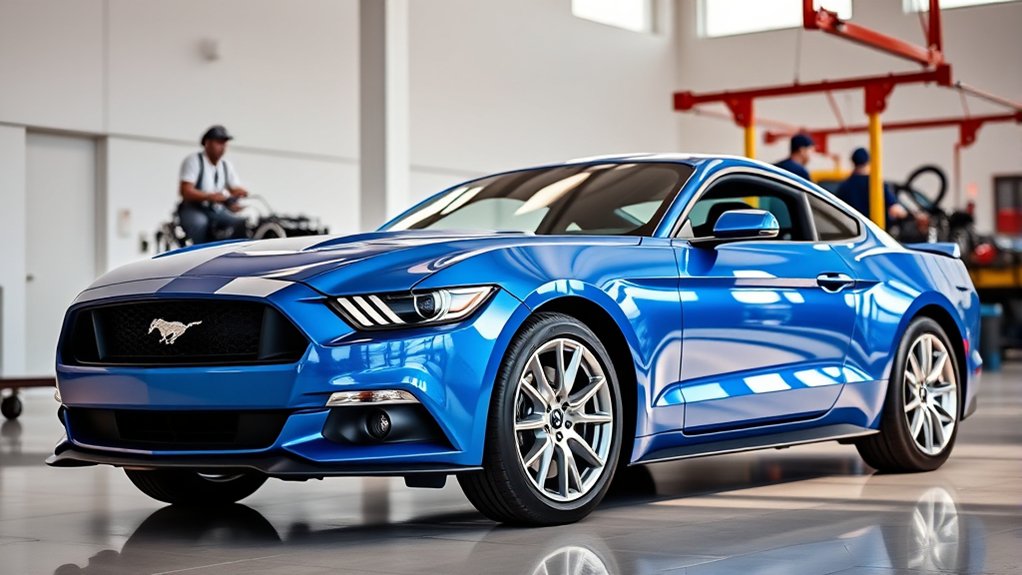
No, Ford did not stop making cars altogether, but it did scale back its U.S. passenger-car lineup in favor of trucks, SUVs, and commercial vehicles. You can see this as a response to market shifts that changed demand and profitability.
Ford’s strategy focused on higher-margin segments where buyers kept spending, especially as fuel prices, utility preferences, and fleet needs influenced sales patterns. That didn’t mean Ford abandoned sedans everywhere; it meant the company rebalanced its portfolio to match consumer behavior and long-term returns.
If you’re evaluating the decision objectively, it reflects adaptation rather than retreat. Ford adjusted product planning, manufacturing priorities, and capital allocation to stay competitive. In practical terms, the company chose a narrower car emphasis to strengthen its core business and improve resilience.
Which Ford Cars Are Still Made?
As of today, Ford still makes a limited number of cars, but most of its global volume comes from trucks, SUVs, and commercial vehicles. If you’re asking which Ford cars remain in production, the answer is modest: the Mustang is the main passenger car you’ll still find in Ford’s lineup.
It serves as the brand’s enduring coupe and convertible, with gas and hybrid performance variants depending on market availability. You’ll also see Ford sedan and hatchback offerings in some regions outside North America, but they’re not part of the U.S. retail focus.
For a broader view, compare which trucks Ford sells, because they dominate the lineup and shape the company’s current strategy more than any car does.
Which Ford Cars Did Ford Discontinue?
Ford has discontinued most of its mainstream passenger cars in the U.S. over the past decade, including the Fusion, Focus, Fiesta, and Taurus, along with the C-Max and several other low-volume nameplates. If you’re tracking Ford’s car lineup, you’ll see the automaker narrowed its U.S. passenger-car presence to focus on higher-demand models.
In practical terms, that means fewer compact, midsize, and sedan choices at the dealership footprint level.
- Fusion: ended U.S. production after 2020.
- Focus and Fiesta: phased out as small-car demand fell.
- Taurus and C-Max: removed from regular passenger-car offerings.
When you compare reliability scoring across surviving and discontinued models, you should separate vehicle reputation from market survival; discontinuation doesn’t automatically signal poor quality.
Why Did Ford Drop So Many Sedans?
You can trace Ford’s sedan cuts to shifting market demand, as more buyers moved toward crossovers and SUVs. Ford also had a strong financial reason to reallocate resources, because SUVs often brought higher profit margins than sedans.
As sedan sales declined, the company focused on the vehicles that better matched consumer preferences and business results.
Shifting Market Demand
Why did Ford trim so many sedans from its lineup? You can trace the answer to a demand shift that steadily reshaped market dynamics. Buyers increasingly chose taller vehicles because they offered easier entry, a higher seating position, and more flexible cargo space.
Ford responded by reallocating attention toward models people were actually selecting.
- Sedan sales weakened across multiple segments.
- Crossovers and SUVs absorbed more showroom traffic.
- Ford adapted its lineup to match changing buyer priorities.
That doesn’t mean sedans vanished overnight; it means they lost volume as preferences changed. When you look at the data, Ford’s decisions reflect demand, not abandonment. The company followed the market rather than trying to force it back.
Higher SUV Profit Margins
Higher-margin SUVs and crossovers gave automakers a stronger financial incentive to move away from low-profit sedans. When you compare vehicle programs, you see that trucks and SUVs often support better profit per unit because buyers accept higher trim levels, options, and transaction prices.
That changes a company’s pricing strategy: it can spread engineering, advertising, and manufacturing costs over models that generate more margin. In car sales, that matters because a profitable lineup helps fund electrification, safety tech, and factory investment.
For Ford, shifting production toward vehicles with stronger returns wasn’t just a style choice; it was a capital-allocation decision. You can view the sedan cuts as part of a broader effort to prioritize products that improve earnings while keeping the brand competitive in a market with tighter margins.
Sedan Sales Decline
Ford didn’t abandon sedans on a whim; declining sales made them harder to justify. You can see the shift in how buyers moved toward crossovers, trucks, and SUVs, which left traditional four-doors with shrinking volume and weaker margins.
Once sedan culture faded, Ford had to weigh every model against higher-return products and tighter showroom space. Dealership strategy also mattered: you’d rather stock vehicles that turn faster and support bigger profits.
- Demand kept dropping as shoppers chose taller, more versatile vehicles.
- Incentives rose, eroding profitability on mainstream sedans.
- Ford redirected engineering and advertising toward segments with stronger growth.
That’s why you saw fewer cars in the lineup: not because sedans vanished, but because market math changed.
What Replaced Ford’s Sedans?
As Ford phased out its traditional passenger sedans in North America, it shifted buyers toward vehicles that matched changing demand: SUVs, crossovers, and trucks. You can see the change in models like Escape, Edge, Explorer, and F-150, which absorbed shoppers who once chose Focus or Fusion.
Ford design emphasized higher seating, easier cargo access, and broader family use, while budget trims helped keep entry prices within reach. That mix let you compare practical space with familiar pricing, even as the body styles changed.
For many buyers, these replacements offered more utility and stronger perceived value than low-slung sedans. Ford didn’t abandon affordability; it redirected it into vehicles that fit market preferences, dealer inventory, and everyday driving needs.
How Did Ford’s EV Plans Change the Lineup?
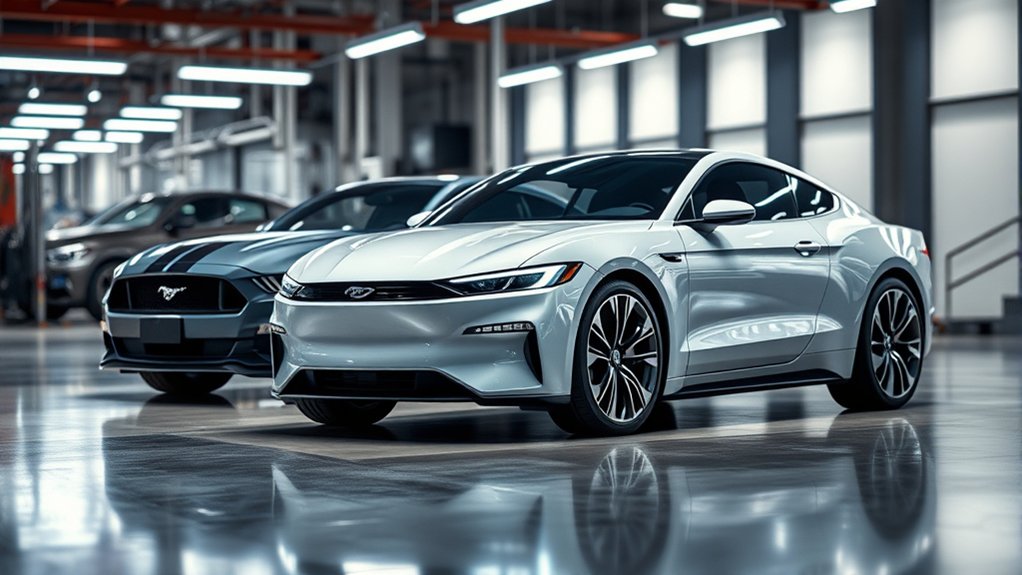
You can see Ford’s EV plans pushing the lineup toward an electric-first strategy, with investment and product development shifting to battery-powered models.
That change has also reshaped the gas-car portfolio, since Ford has trimmed some low-demand cars and focused more on trucks, SUVs, and commercial vehicles. As a result, the lineup now reflects a narrower mix of combustion models alongside a growing EV presence.
EV-First Model Shift
Instead of treating EVs as a side project, Ford has increasingly used them to reshape its lineup around lower-volume gas models and higher-priority electric nameplates. You can see the shift in how it allocates capital, software talent, and battery sourcing.
That strategy supports revenue diversification and pushes supplier strategies toward cell, chip, and power electronics partnerships.
- You get more investment in EV platforms that can scale across multiple vehicles.
- You see fewer resources tied to niche products that don’t fit Ford’s electric roadmap.
- You watch nameplates get redesigned to match charging, software, and fleet demand.
This isn’t a quick pivot; it’s a structural reordering of what Ford wants to build, sell, and support over the next decade.
Gas Car Lineup Changes
Ford’s EV strategy has also changed how the company manages its gas car lineup. You’ll see Ford trimming slower-selling sedans and concentrating on higher-demand trucks, SUVs, and crossovers that better support fuel economy targets and profit margins.
That shift lets Ford reallocate factory capacity, simplify engineering, and reduce production costs tied to maintaining too many overlapping models. You should also expect fewer broad updates across the lineup, because Ford now prioritizes vehicles with stronger returns and easier electrification paths.
In practical terms, Ford isn’t abandoning gas vehicles, but it’s narrowing them to segments that still make strategic sense. This approach helps the company preserve cash, improve efficiency, and keep gasoline models relevant while EV development expands.
Which Ford Cars Can You Still Buy Used?
If you’re shopping the used market, several Ford cars are still easy to find, even though the brand has shifted heavily toward trucks and SUVs. You can still compare sedans like the Fusion, Taurus, and Focus, plus performance-oriented Mustang coupes. The supply varies by region, mileage, and trim, so you’ll want to check service history and accident records before you buy.
- Fusion: common, efficient, and often priced competitively.
- Focus: plentiful, but inspect transmissions and maintenance records.
- Mustang: widely available, with broad engine and trim choices.
Because Ford layoffs and dealership pricing have reshaped inventory strategy, used-car listings can fluctuate quickly. You’ll get the clearest value by comparing local ads, auction data, and certified pre-owned examples.
How Ford’s Lineup Changes Affect Drivers
As Ford shifts its lineup away from cars and toward trucks, crossovers, and electric vehicles, you’ll notice the impact most in choice, pricing, and long-term ownership costs. You may find fewer traditional sedans in showrooms, but you’ll also see more models built around higher seating positions, cargo space, and utility.
Ford strategy follows market trends that favor larger, more versatile vehicles, and that can affect what you pay upfront and what you spend on fuel, insurance, and maintenance. If you prefer a car-like driving feel, you may need to compare trims carefully or shop outside Ford’s current focus.
For many drivers, the change means broader utility, but also less variety in compact, low-slung options.
Will Ford Bring Back Sedans?
Will Ford bring back sedans? You shouldn’t expect a broad return soon, but you can watch for niche opportunities. Ford has favored trucks, SUVs, and electrified models because they deliver stronger margins and fit current demand.
If sedan sales recover, Ford could revise its dealership strategy and test a limited nameplate revival. Your best guide is an opinionated forecast based on three signals:
- Fuel prices stay high and compact-car demand rises.
- Competitors prove there’s profit in efficient four-door models.
- Ford’s EV and hybrid platform costs fall enough to support more body styles.
For now, you’re more likely to see Ford refine crossovers than relaunch full sedan lineups. Still, market shifts can move faster than corporate plans.
Frequently Asked Questions
Are Ford Trucks Affected by the Car Lineup Changes?
Yes, Ford trucks aren’t directly affected by the car lineup changes, but you’ll notice the electric transition shaping future pickups, features, and investment priorities.
You can expect trucks to stay central to Ford’s strategy.
Did Ford Stop Making All Passenger Vehicles?
No, you wouldn’t say Ford stopped making all passenger vehicles; it did discontinue many sedans as consumer demand shifted, like a store trimming slow sellers.
You’ll still find passenger crossovers, SUVs, and performance cars.
Which Ford Models Have the Best Fuel Economy?
You’ll usually find the best Ford fuel economy in the Escape Hybrid, Maverick Hybrid, and F-150 PowerBoost. Ford’s model variety lets you compare efficiency across SUVs, trucks, and cars, depending on your needs.
Are Ford Dealerships Still Stocking Sedans?
Yes, you’ll still find sedans at some Ford dealerships, but sedan availability is limited. Ford dealership trends show shrinking inventory and regional differences.
You should check local listings, call ahead, and compare stocks carefully.
Does Ford Still Make Sports Cars?
Yes, you can still buy a Ford sports car, the Mustang. Ford partnerships and EV strategy shape its future lineup, but you’ll notice fewer sporty nameplates as Ford prioritizes trucks, SUVs, and electrified performance.
Conclusion
So, no, Ford didn’t stop making cars altogether—you’re seeing a lineup shift, not a shutdown. You can still buy models like the Mustang, while sedans such as Fusion, Focus, and Fiesta have mostly been retired in the U.S. as Ford leaned into trucks, SUVs, and EVs.
If you’re shopping, you’re now looking at a brand that’s trimmed the sedan branches but kept the trunk of its business growing. In conclusion, Ford did not stop making cars; it simply changed its focus to meet evolving market demands.


