Did Ford Discontinue the Edge
As an Amazon Associate we earn from qualifying purchases.
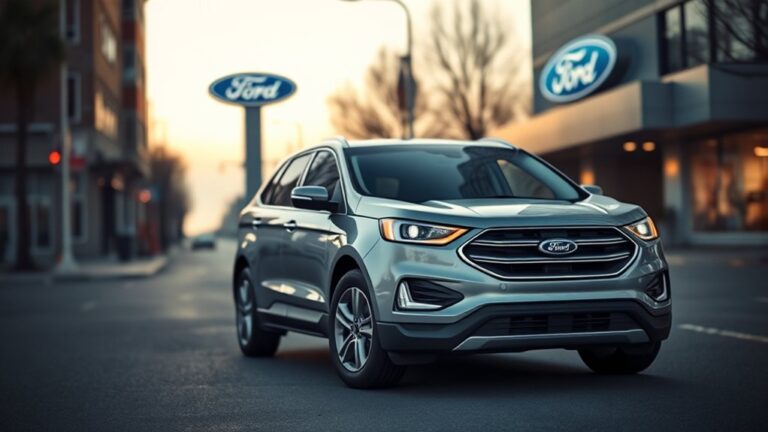
If you’ve ever noticed a familiar model suddenly gone from showroom floors, the Ford Edge is a good example of a vehicle that has been discontinued. Ford ended production of the Edge in 2024, and new inventory is now limited to leftover stock at a few dealers.
You can still find used Edge models, but the market has shifted. So if you’re comparing SUVs or wondering what Ford replaced it with, there’s more to the story.
Key Takeaways
- Yes, Ford discontinued the Edge; production ended in 2024.
- Ford no longer builds new Edge models for North America.
- Some dealer stock may still be available, but supplies are limited.
- Most Edge purchases now come from used vehicles or remaining inventory.
- Ford is steering buyers toward alternatives like Escape, Bronco Sport, Explorer, or other crossovers.
Is the Ford Edge Discontinued?
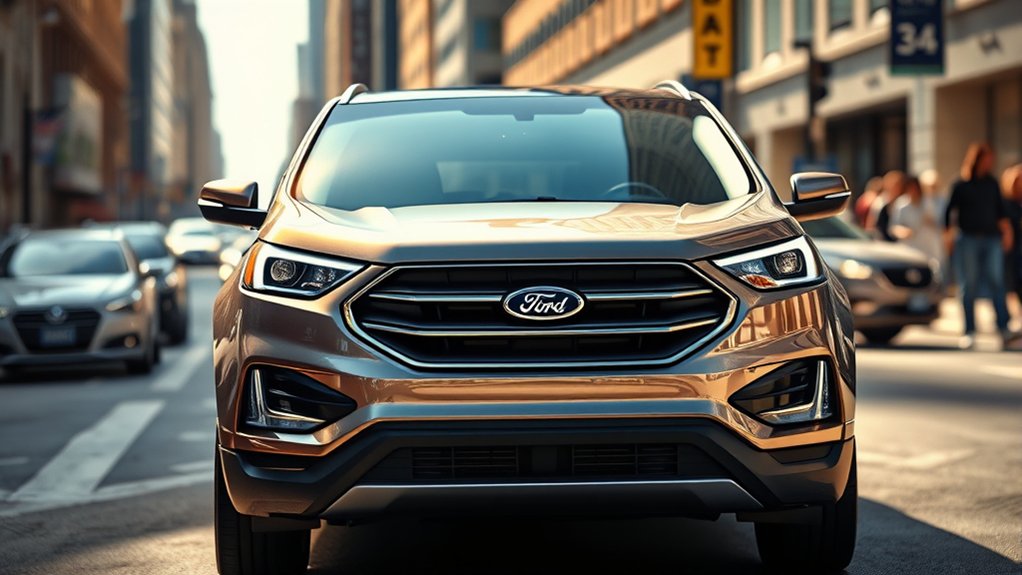
Yes, the Ford Edge has been discontinued. If you’re shopping for one, you can still find new inventory at some dealers, but Ford no longer builds it. You should treat the Edge as a discontinued model and compare it carefully with current Ford options.
The crossover gave you more space and a higher seating position than a sedan, which helped it stand out in the sedan vs crossover debate. If you liked Edge upgrades over the years, you’ll notice that later trims added tech, comfort, and safety features.
You can still buy used models, and parts support should remain available. For the latest Ford lineup, you’ll need to look at replacements instead of expecting a new Edge model.
Why Did Ford End Edge Production?
Ford ended Edge production mainly because its lineup was shifting toward newer, more profitable vehicles, especially crossovers and EVs that better fit current buyer demand. You can see the logic in Ford’s broader strategy: it wanted to focus factory space, engineering, and marketing on models with stronger growth potential.
The Edge still had loyal buyers, but it faced tighter competition and less room for expansion. Ford also had to balance edge pricing against segment pressure, which made long-term investment harder to justify. If you’re comparing ownership costs, warranty coverage stayed straightforward, but that alone couldn’t keep the model in the plan.
In short, Ford redirected resources toward products that better matched future sales targets and brand priorities.
When Did Ford Stop Making the Edge?
Production of the Ford Edge ended in 2024, with the final model year sold in North America before the SUV was removed from Ford’s lineup. If you’re tracking the timeline, Ford stopped building the Edge after the 2024 model year, so you’ll only find remaining inventory or used examples now.
This matters if you’re comparing edge reliability, because newer vehicles may have different maintenance histories than older ones. You should check a specific vehicle’s service records before you buy. If you’re considering ford financing, your lender will usually base terms on the model year, mileage, and condition.
Since Ford no longer makes the Edge, your options now depend on dealer stock and the used market. That makes timing important when you shop today.
What Replaced the Ford Edge?
Ford ended Edge production, so you may be wondering what took its place. In Ford’s SUV lineup, the Edge didn’t get a direct one-to-one replacement, but you can look at models like the Escape, Bronco Sport, or Explorer depending on your needs.
Each option offers a different mix of size, features, and capability.
Ford Edge Discontinuation
The Edge has reached the end of its U.S. run, and Ford ended production of the midsize SUV after the 2024 model year. You’ll see the change reflected in dealer lots, service planning, and model comparisons.
If you’re shopping or tracking ownership value, watch:
- Edge pricing, which can shift as remaining inventory tightens
- resale trends, which may hold steady if demand stays solid
- availability, since new units won’t keep arriving
Ford made this move to streamline its lineup, and you should expect the Edge nameplate to fade from new-car sales in the U.S. Keep an eye on local market listings if you’re considering one, because supply, trim mix, and condition can affect what you pay or get back later.
Replacement Model Options
If you’re wondering what took the Ford Edge’s place, the answer is mostly a strategic shift rather than a direct replacement. You won’t find a single new model that matches it one for one. Instead, Ford has moved toward other crossover choices, and the Edge’s production timeline ended without a direct successor.
That design shift changed how you compare options, because the brand now focuses on different size, packaging, and powertrain priorities. For you, the dealer impact may mean fewer Edge inventory choices and more guidance toward alternatives already in Ford’s lineup.
If you were hoping for an exact replacement, it hasn’t arrived. Ford’s approach has been to reallocate resources, not launch a dedicated Edge reboot, so the answer is broader than one vehicle.
Ford SUV Lineup
So, what fills the gap left by the Edge? You’ll look at Ford’s SUV lineup and see no direct twin for this discontinued model after its production halt. Instead, Ford points you toward other options that cover similar needs:
- Escape: smaller, efficient, and easier to park
- Bronco Sport: more rugged, with trail-ready style
- Explorer: larger, with extra space and stronger towing
If you liked the Edge’s balanced ride, the Explorer may feel closest in size and comfort, while the Escape suits city driving. The Bronco Sport gives you a boxier, adventure-focused choice. Ford hasn’t announced a new Edge replacement, so you’ll need to compare trims, cargo space, and power carefully before deciding.
Which Ford Edge Years Are Best?
Which Ford Edge years are the best? If you want a strong balance of value, comfort, and reliability, you should focus on the 2019, 2020, and 2021 model years. These versions offer updated edge styling, a smoother ride, and improved fuel economy compared with earlier models.
You’ll also find available safety tech and a roomy cabin that make daily driving easier. The 2017 and 2018 models can also be good picks if you want similar features at a lower price. However, you should check maintenance history and recall status before you buy any used Edge.
Later models generally give you the best mix of modern design, efficient performance, and fewer complaints, so they stand out as the smartest choices overall for most drivers.
Should You Buy a New or Used Ford Edge?
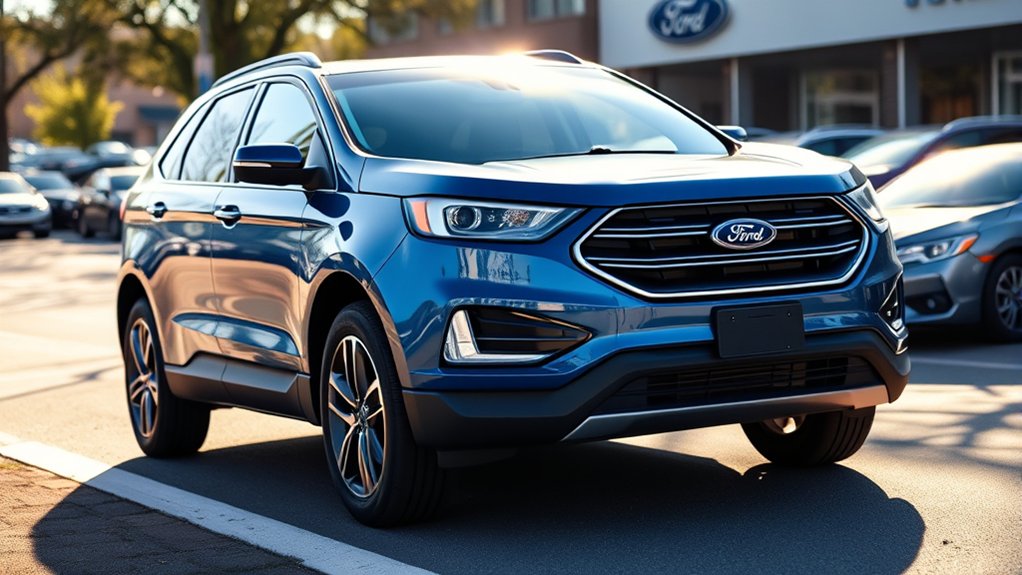
Once you’ve narrowed down the best Ford Edge years, the next question is whether a new or used model makes more sense for your budget and needs. A new Edge can give you the latest edge design and mpg improvements, plus full warranty coverage.
A used Edge usually costs less up front and can still deliver strong value if you want a midsize SUV without paying new-car prices.
Buy new if you want the latest updates and maximum coverage.
Buy used if you want lower depreciation and a smaller payment.
Compare mileage, service history, and pricing before you decide.
If you’re focused on value, a well-kept used Edge often makes the most sense. If you want the newest refinements, new is the better fit.
What Features Come on Ford Edge Trims?
Ford Edge trims vary by model year, but you can usually expect a clear step up in comfort, tech, and convenience as you move through the lineup. On lower trims, you’ll often get core edge features like a touchscreen, smartphone integration, push-button start, and basic driver-assist aids.
Move up, and trim upgrades may add larger displays, heated front seats, premium audio, navigation, wireless charging, and a hands-free liftgate. Higher trims can also bring leather upholstery, advanced parking help, a panoramic roof, and more refined styling details.
If you want a well-equipped daily driver, the midlevel trims usually balance price and equipment best. You can compare features by model year, since Ford changed trim content over time.
How Reliable Is the Ford Edge?
Reliability for the Ford Edge has generally been solid, though it can vary by model year and powertrain. You’ll find many owners report dependable daily use, especially with regular service. Consumer reliability ratings often place it above average for a midsize SUV, but not every year scores the same.
- Check the specific model year before you buy.
- Stay current on oil, fluids, and brake service.
- Review warranty coverage and repair history.
Your maintenance costs are usually moderate, though all-wheel-drive models and turbocharged engines can raise long-term expenses. If you keep up with scheduled upkeep, you can help prevent larger repairs and extend the Edge’s useful life.
What Are the Best Ford Edge Alternatives?
If you like the Ford Edge but want to compare other options, several midsize SUVs offer similar space, comfort, and available all-wheel drive. Your best Ford Edge alternatives include the Toyota Highlander, Honda Passport, Hyundai Santa Fe, and Nissan Murano.
Each gives you roomy seating, useful cargo space, and strong safety technology. The Highlander leans toward family practicality, while the Passport feels more rugged. The Santa Fe adds value and features, and the Murano emphasizes ride comfort.
Each offers roomy seating, useful cargo space, and strong safety tech, with each model bringing its own strengths.
If you want a sportier drive, the Mazda CX-50 is worth a look. Current vehicle design trends favor cleaner cabins, larger touchscreens, and advanced driver aids, so you’ll find those features across these models.
Compare fuel economy, towing, and trim pricing before you choose.
What Ford SUVs Are Coming Next?
Looking ahead, Ford is shifting its SUV lineup toward newer electrified and more efficient models. You can expect Ford to keep expanding the Escape, Explorer, Expedition, and Bronco families, while adding more hybrid and EV options.
Ford marketing will likely focus on lower running costs, stronger tech, and better towing or off-road capability. If you liked the Edge design, you’ll notice Ford moving toward sharper styling and roomier cabins across its next SUVs.
- More hybrids in core nameplates
- Possible all-electric Ford crossovers
- Updated safety and driver-assist tech
You should watch for models that replace older gas-only choices with cleaner powertrains. That means your next Ford SUV could offer similar size and comfort, but with improved efficiency and a more modern feature set.
Frequently Asked Questions
What Body Style Did the Ford Edge Use?
You’d call the Ford Edge a midsize crossover SUV with a two-row, five-passenger body style. During the Ford Edge redesign, its shape stayed carlike and practical, not truck-based, and Edge discontinuation didn’t change that.
How Much Cargo Space Does the Ford Edge Have?
You get about 39.2 cubic feet behind the rear seats, and 73.4 cubic feet total when you fold them down.
Think of the Edge’s cargo capacity like a roomy suitcase; Edge discontinuation doesn’t change those numbers.
What Engine Options Were Available in the Ford Edge?
You’d find several engine options on the Ford Edge: a turbocharged 2.0-liter four-cylinder, a stronger turbo 2.7-liter V6, and, depending on regional availability, earlier models also offered a naturally aspirated 3.5-liter V6.
Was the Ford Edge Sold Outside the United States?
Yes, you’d find the Ford Edge sold outside the U.S., including in Canada, China, and other markets. Its global availability varied by region, and the discontinued status differed depending on local production and demand.
Does the Ford Edge Have All-Wheel Drive?
Yes, you can get all wheel drive options on the Edge; Ford offered them on many trims.
Even with edge discontinuation, you’ll still find capable, confident AWD models on the used market.
Conclusion
So, yes, Ford did discontinue the Edge, and you’ll now mostly find used models or leftover dealer stock.
If you’re worried that means limited choices, picture a row of late-model Edge SUVs sitting quietly on a lot—some with low miles, some with full service records, all waiting for the right driver.
You can still buy one, but you should compare it carefully with newer Ford crossovers and alternatives before you decide.
In conclusion, while Ford has discontinued the Edge, there are still plenty of options available if you’re interested in purchasing this model.


