Are the New Ford Broncos Reliable
As an Amazon Associate we earn from qualifying purchases.
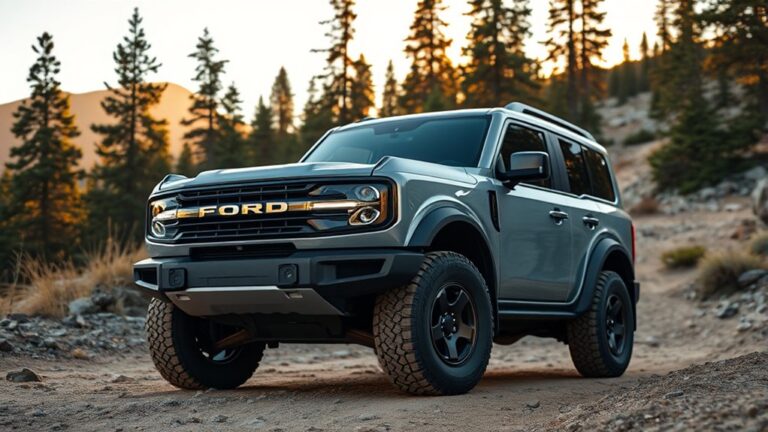
If you’re considering a new Ford Bronco, you’ll find a promising but still developing reliability record. The truck feels rugged and capable, but owners do report fit-and-finish issues, occasional leaks, and electronics glitches, especially on higher trims.
Simpler versions tend to be more predictable, yet off-road use can change maintenance needs quickly. The bigger question is how those strengths and weak spots hold up over time.
Key Takeaways
- New Ford Broncos are generally solid, but long-term reliability is still developing because the current generation is relatively new.
- Simpler trims like Base and Big Bend may be more reliable over time due to fewer electronic and off-road systems.
- Early issues can include roof or door leaks, fit-and-finish concerns, and occasional electronics glitches.
- Off-road use increases wear on tires, brakes, suspension parts, seals, and alignment, raising maintenance costs.
- Overall, the Bronco looks promising and capable, but it is not yet a proven long-term reliability benchmark.
Are New Ford Broncos Reliable?
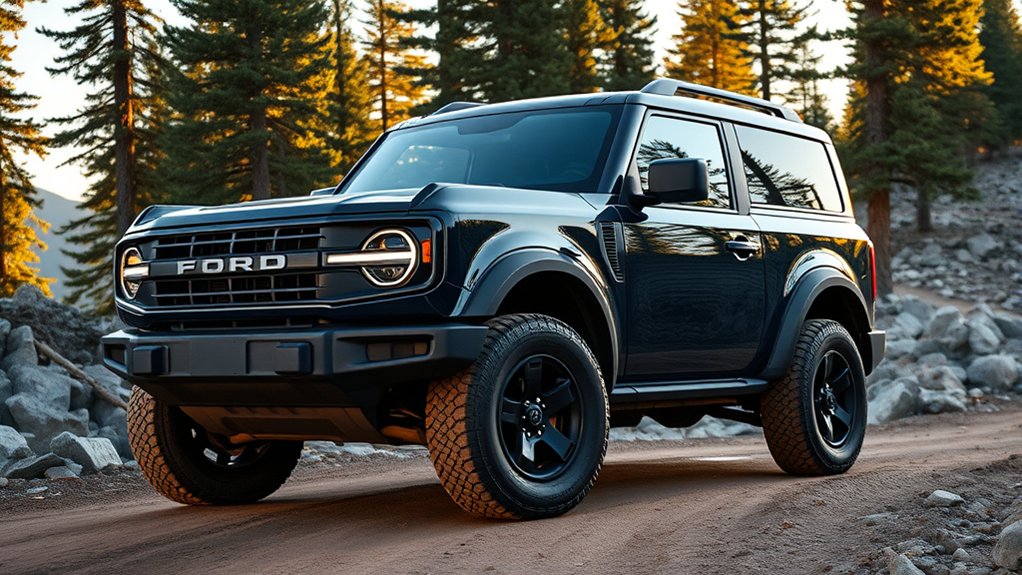
New Ford Broncos are generally considered solid vehicles, but their long-term reliability is still being established since the current-generation model is relatively new. If you’re shopping for one, you should separate real engineering from marketing hype.
You’ll find that Ford built the Bronco for demanding use, with robust hardware and a body-on-frame layout that many buyers value. Still, reliability can vary by trim, engine, transmission, and how you drive it.
You should review owner feedback, recall history, and warranty coverage before deciding. Dealer incentives may make the Bronco more affordable, but they don’t change the underlying product.
If you want a practical answer, you should view it as promising, well-equipped, and capable, yet not a proven long-term reliability benchmark.
How Reliable Is the Ford Bronco?
The Ford Bronco’s reliability is best described as promising but still developing, since the current generation hasn’t been on the road long enough to build a deep long-term track record. You can expect solid engineering, strong drivetrain options, and a body-on-frame design that suits rugged use.
In regular driving, the Bronco feels stable and capable, while its available features support daily usability and interior comfort. If you use it for trails, the platform handles abuse well when you follow smart tips for off-road mudding, like cleaning the undercarriage and checking fluids afterward.
Common Ford Bronco Problems Owners Report
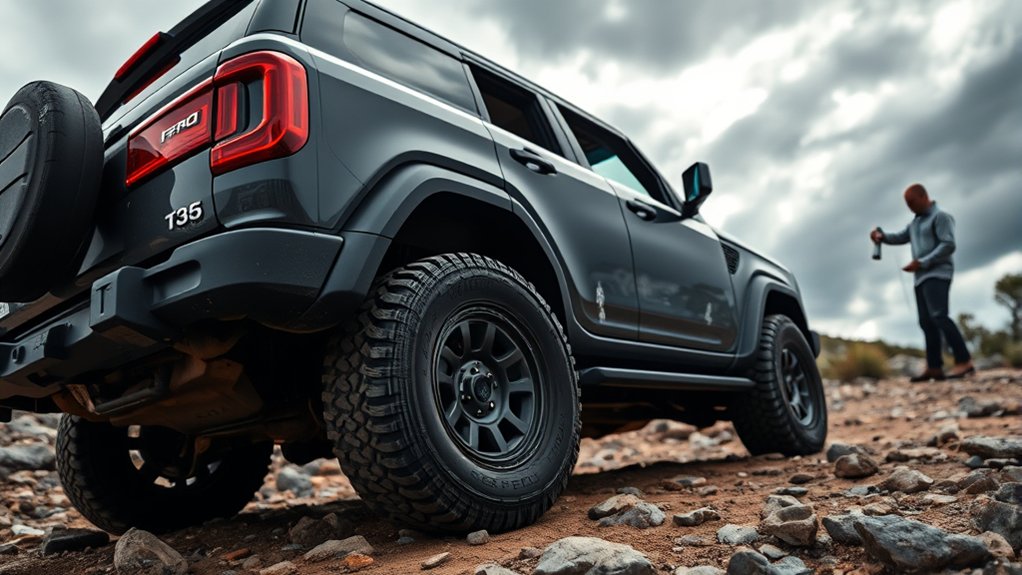
Despite the Bronco’s strong fundamentals, owners have reported a few recurring issues that you should watch for, especially in early builds. You may notice:
Despite the Bronco’s strong fundamentals, early builds can show recurring issues owners should watch for.
- Roof and door leaks, with water intrusion around seals or panels after heavy rain or car washes.
- Electronics glitches, including screen freezes, backup camera delays, or sensor warnings that appear without a clear cause.
- Fit-and-finish complaints, such as rattles, trim misalignment, or loose interior pieces that can create noise over rough surfaces.
These problems don’t affect every Bronco, but they’re the most common patterns you’ll see in owner reports. A random idea or unrelated topic doesn’t change the evidence: most concerns cluster around assembly quality and small component reliability, not major mechanical failure.
Keeping up with recalls and warranty fixes can help you address issues early.
How the Bronco Handles Daily Driving
On city streets and highways, the Bronco is competent and easy to live with, but it doesn’t behave like a soft crossover. You’ll notice a firm ride, slower steering response, and more tire noise than in many SUVs, especially on rough pavement.
For daily commuting, the cabin gives you good visibility and straightforward controls, which makes stop-and-go driving manageable. The seats hold you well, and the available driver aids help reduce stress in traffic.
Fuel economy isn’t its strong point, so you should expect more frequent gas stops than with a smaller, more aerodynamic SUV. Still, if you want a practical vehicle with clear sightlines, useful tech, and stable highway manners, the Bronco can handle everyday use without feeling awkward or overly demanding.
How the Bronco Performs Off-Road Long-Term?
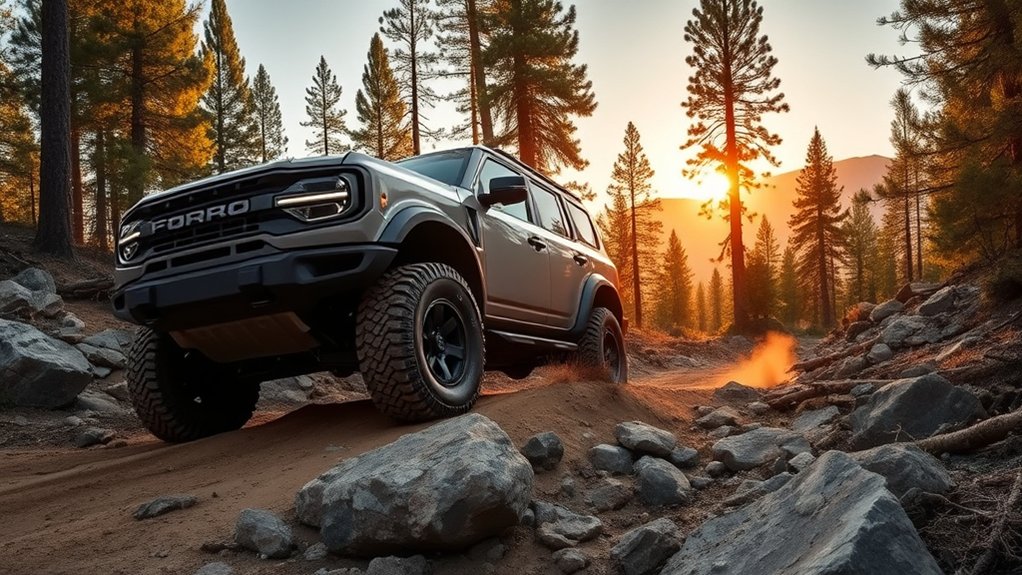
When you take a new Bronco off-road often, suspension durability becomes a key factor in how well it holds up over time. Repeated trail use can also add wear to bushings, tires, skid plates, and steering components, so you’ll want to watch for early signs of stress.
Long-term reliability off pavement depends on how much abuse you put it through and how well you inspect and maintain those parts.
Suspension Durability
How well does the Bronco’s suspension hold up after repeated off-road use? You can expect solid suspension durability if you drive within the truck’s design limits. The independent front setup and rear axle manage rocks, washboards, and ruts with control, especially when you keep tire pressures appropriate for off road tires.
- You’ll notice consistent damping over rough terrain, which helps maintain traction.
- You may feel sharper impacts through the cabin on hard hits, but the hardware usually stays composed.
- Long-term performance depends on regular inspections of bushings, mounts, and alignment after demanding trips.
Trail Wear And Tear
Trail use will gradually reveal the Bronco’s real durability, and much of its long-term wear depends on how hard you push it and how well you maintain it afterward. When you spend time on rocks, ruts, and sand, you’ll see trail wear show up first in skid plates, bushings, tires, and suspension joints.
Mud, dust, and water crossings can also stress seals, electrical connectors, and brake components if you don’t clean them promptly. If you inspect the underbody, grease moving parts, and replace damaged parts early, you’ll preserve off-road durability.
The Bronco’s tough design helps it handle repeated abuse, but no SUV escapes maintenance. Your driving habits, recovery use, and post-trip care will shape how well it stays reliable over years of trail running.
Bronco Maintenance Costs
When you own a new Bronco, you’ll need to budget for routine service like oil changes, tire rotations, and brake inspections, which can vary by trim and use. You may also face common repair expenses tied to suspension, electronics, or off-road components if you drive it hard or in rough conditions.
Over time, higher mileage and regular wear can raise your costs, especially if you rack up trail miles or skip preventive maintenance.
Routine Service Costs
Routine service costs for the Ford Bronco are generally in line with other midsize SUVs, but they can rise if you choose higher-trim models or use the vehicle heavily off-road. You should plan for regular oil changes, tire rotations, brake inspections, and fluid checks, since these keep upkeep predictable and help with maintenance budgeting.
Dealership service plans can simplify costs by bundling scheduled visits, though you’ll want to compare them against pay-as-you-go pricing.
- Follow the factory maintenance schedule closely.
- Expect higher labor and parts charges at dealerships.
- Review plan coverage before you commit.
If you drive mostly on pavement, your routine expenses stay moderate, but frequent trail use can increase service frequency. Careful tracking helps you avoid surprises and keeps ownership costs easier to manage.
Common Repair Expenses
Beyond routine maintenance, the Ford Bronco can also bring occasional repair costs that vary by mileage, use, and trim level. You may see charges for brake hardware, suspension bushings, sensors, and infotainment fixes, especially if you drive off-road often.
Some trims can also need replacement of trim pieces or weather seals, and higher-content models may cost more because of specialized parts. Interior materials and sound deadening can wear or get damaged from mud, water, and cargo abuse.
| Repair item | Typical cost |
|---|---|
| Brake pads and rotors | $300-$900 |
| Sensor replacement | $150-$600 |
| Suspension components | $400-$1,200 |
| Trim or seal repair | $100-$700 |
| Interior damage fixes | $200-$1,000 |
These expenses usually stay manageable, but they can add up if you use your Bronco hard.
Mileage And Wear Costs
As your Bronco racks up miles, wear-related costs can become more noticeable, especially if you drive it on rough roads or take it off-road often. You’ll likely replace tires, brakes, bushings, and suspension parts sooner than you would on a street-focused SUV. That doesn’t mean the Bronco is unreliable; it means its hardware works harder. Regular inspections help you catch wear before it turns into bigger bills.
- Tire wear rises quickly with aggressive tread and low-pressure off-road use.
- Brake and rotor costs can climb if you tow or drive in mud and sand.
- Alignment and suspension checks matter after trail use.
These expenses often fuel reliability myths, but they’re really mileage-driven maintenance. Watch warranty gaps, since some wear items aren’t covered.
Which Bronco Trim Is Most Reliable?
If you’re trying to pick the most dependable Ford Bronco trim, the answer usually points to the simpler models: the Base and Big Bend trims tend to have fewer electronic extras and off-road components that can add complexity over time.
You’ll often see stronger reliability perceptions around these trims because they rely on less equipment than higher-spec versions. That can also help keep ownership costs more predictable, since fewer advanced features usually mean fewer repair possibilities.
If you want a Bronco for daily use, these trims give you the most straightforward setup. Higher trims add comfort and capability, but you also take on more systems that may age differently. For pure reliability, simplicity usually works in your favor over time.
Is the New Ford Bronco Worth Buying?
Whether the new Ford Bronco is worth buying depends on what you want from an SUV, because it delivers real off-road capability, strong styling, and a wide range of trims. However, it also asks you to accept a firmer ride, lower fuel economy, and more complexity in the higher-spec models.
The new Ford Bronco is worth it if you value off-road capability over comfort and fuel economy.
If you’ll use it for trails, weekend travel, or a rugged daily driver, it makes sense. You should compare it with rivals on price, tech, and comfort.
- Check the trim you’ll actually buy.
- Evaluate long-term ownership costs.
- Ignore unrelated topic and compare two word discussion ideas only if they help your research.
For many buyers, the Bronco’s strengths outweigh its compromises, but you’ll want to test drive it first.
Frequently Asked Questions
Does the Ford Bronco Come With a Full-Size Spare Tire?
Yes, you can get a full-size spare tire on the Ford Bronco, especially on most off-road trims. You should still check your exact configuration, because reliability concerns and off-road limitations can affect equipment choices.
How Many Passengers Can the New Bronco Seat?
You can seat four passengers in most new Broncos, or five in the four-door model. Passenger capacity varies by trim, and seating comfort stays supportive, with enough room for adults on shorter trips and daily driving.
Is the Bronco Available With a Manual Transmission?
Yes, you can get a manual transmission. About 40% of Bronco buyers choose four-door models, and you’ve got manual transmission options on certain trims.
These options preserve strong off-road capability while keeping the driving experience engaging.
What Infotainment Features Does the Bronco Offer?
You get Ford’s SYNC infotainment with a large touchscreen, smartphone integration, navigation, voice control, USB ports, and available Wi-Fi hotspot.
Review screen responsiveness and infotainment glitches, since software updates can improve performance and connectivity.
Can the Bronco Tow a Trailer?
Yes, you can tow a trailer with the Bronco, especially when it’s properly equipped. Your towing capability depends on the engine and drivetrain.
You’ll need the right trailer hitch for safe hauling.
Conclusion
So, are new Ford Broncos reliable? You can count on them more than on a polished boulevard cruiser, but not yet as a long-proven legend. If you pick a simpler trim, stay current on recalls, and budget for upkeep, you’ll likely get a capable SUV that meets the call of the wild.
Just remember: the Bronco still has a bit of Odysseus in it—bold, impressive, and better judged by the long journey than the first mile. In conclusion, new Ford Broncos are reliable when treated with care and attention, making them a solid choice for adventurous drivers.


