Are Ford Taurus Good Cars
As an Amazon Associate we earn from qualifying purchases.
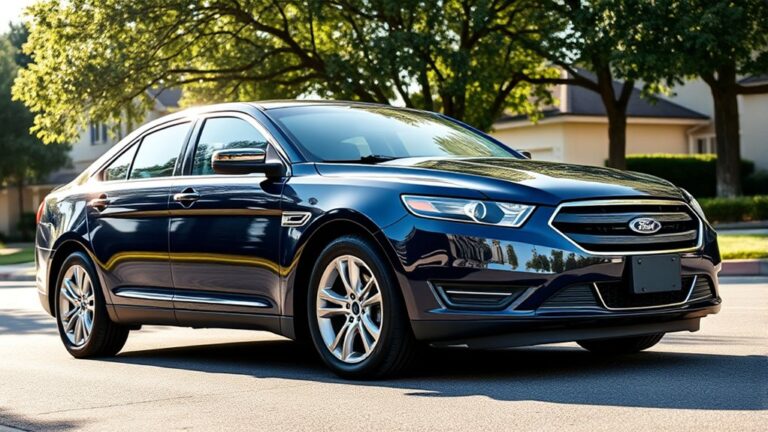
The Ford Taurus can feel both practical and plain, depending on what you need. As a Ford Taurus, you get a roomy cabin, a quiet ride, and a large trunk, but you also need to watch for maintenance history, transmission behavior, and year-specific issues.
Some model years hold up better than others, and that changes the value picture in a major way. If you’re weighing comfort against efficiency and repair risk, the next details matter.
Key Takeaways
- Yes, a used Ford Taurus can be a good car for comfort, space, and practical daily driving.
- It offers a quiet ride, easy highway cruising, and a roomy cabin with a large trunk.
- Reliability is strongest in later third-generation and 2013–2019 sixth-generation models.
- Common issues include transmission hesitation, water pump leaks, electrical glitches, and suspension wear.
- The SEL trim often gives the best balance of price, features, and overall ownership value.
Are Ford Taurus Good Daily Drivers?
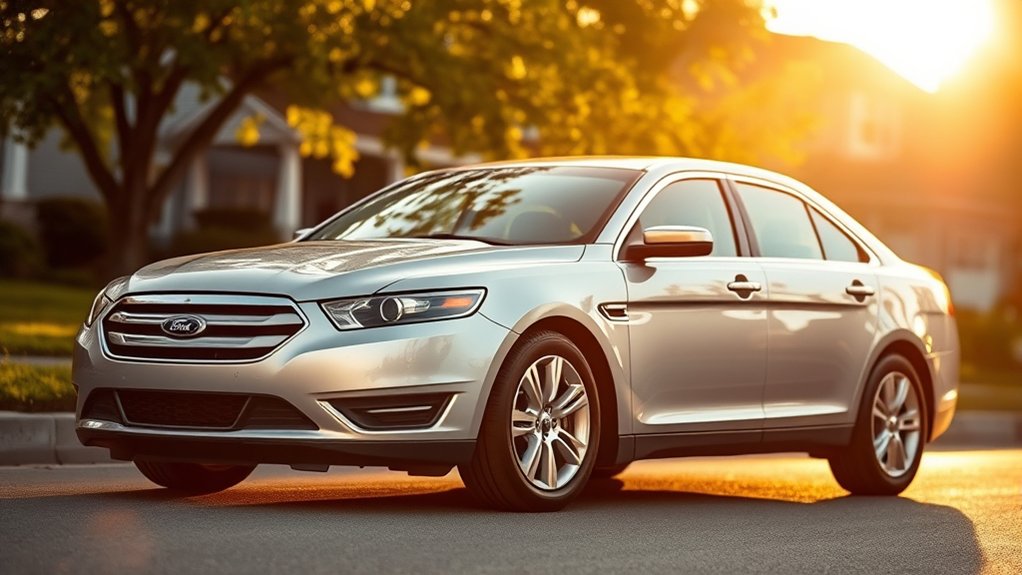
Yes, the Ford Taurus can be a solid daily driver, especially if you want a roomy sedan with a smooth ride and straightforward controls. You’ll likely appreciate its comfortable seats, large trunk, and calm road manners during commutes or errands.
The cabin can feel practical rather than flashy, but some trims add a fun interior with useful tech and nicer materials. You should also consider that the Taurus isn’t built to feel sporty, so steering and handling stay tuned for comfort instead of excitement.
Fuel economy varies by engine, and some rare transmissions can make shopping for parts or service a little less simple. Overall, you get a dependable-feeling full-size sedan that works well for everyday use if comfort matters more than sharp performance.
Which Ford Taurus Years Are Most Reliable?
If you’re comparing Ford Taurus model years, you’ll usually find the strongest reliability in later third-generation and well-kept late-model examples, where the powertrain and build quality tend to be more consistent.
You should also pay attention to the generations that earned better long-term owner feedback, since those often stand out for fewer major repairs and fewer recurring complaints.
At the same time, you’ll want to watch out for years with known transmission, electrical, or cooling issues, because those problem years can change the reliability picture quickly.
Best Model Years
When it comes to the most reliable Ford Taurus model years, the later third-generation cars and the 2013–2019 sixth-generation models generally stand out for better refinement and fewer major complaints than the older, more problem-prone years. If you’re shopping used, those years usually give you a safer starting point for daily driving and routine ownership.
You should still check maintenance records, transmission behavior, and suspension wear, because condition matters as much as model year. The earliest Taurus iterations aren’t the best choice if reliability is your priority, while some mid-cycle updates improved comfort without fixing every issue.
For many buyers, the exact trim or package is not applicable to reliability, and flashy features are not relevant if the car hasn’t been maintained well.
Strongest Generations
Among Ford Taurus generations, the later third generation and the 2013–2019 sixth generation usually have the strongest reputations for reliability. If you want the most dependable Taurus, you should focus on these ranges first. They often show better build consistency and more refined engineering.
| Generation | Years | Reliability |
|---|---|---|
| Third | 1996–1999 | Solid |
| Sixth | 2013–2019 | Strong |
| Fifth | 2008–2009 | Mixed |
This table supports your comparison and keeps the discussion practical. For two-word discussion ideas, consider ownership costs and maintenance history. Subtopic relevance matters here because you’re narrowing the field to years that generally age well rather than every Taurus badge. You can still inspect service records, but these generations give you the best starting point.
Common Problem Years
Reliability can still vary a lot within the Taurus lineup, so it helps to narrow your search by year rather than by generation alone. You’ll often want to be cautious with early 2000s models, especially 2000-2003, because transmission wear, electrical glitches, and suspension issues show up more often there.
Some 2010-2013 cars also deserve extra inspection for steering, cooling, and drivetrain complaints. By contrast, later sixth-generation examples usually hold up better if you see steady service records.
You shouldn’t rely on maintenance myths that claim every well-kept Taurus is trouble-free; condition still matters, but design weaknesses matter too. If one year looks risky, a competing sedan can be a smart buying alternative.
Always check recalls, scan service history, and test-drive for rough shifting, warning lights, and noises.
Ford Taurus Performance and Fuel Economy
When you look at the Ford Taurus, you’ll find that engine performance varies by trim, with some models offering smooth daily driving and others providing stronger acceleration.
You’ll also notice that fuel economy is decent for a large sedan, though it depends on the engine and drivetrain you choose. Overall, you should weigh power and efficiency together to see whether the Taurus fits your driving needs.
Engine Performance
The Ford Taurus offers a range of V6 engine options that deliver smooth, predictable power rather than sporty acceleration. You’ll notice the base engine feels adequate for commuting, while the available turbocharged version adds stronger passing ability without harshness.
If you value engine durability, the Taurus generally earns respectable marks when it’s maintained on schedule. Turbo reliability also matters here, and you should inspect service records carefully on equipped models.
- Power delivery stays linear and easy to control.
- The transmission usually keeps shifts calm and unobtrusive.
- Throttle response can feel relaxed, not aggressive.
- Well-kept examples tend to perform consistently over time.
Fuel Economy
Fuel economy on the Ford Taurus is decent for a large sedan, though it varies noticeably by engine and drivetrain. If you choose a front-wheel-drive V6, you’ll usually get the best mileage, while all-wheel drive and stronger performance tuning can trim efficiency.
In mixed driving, you can expect numbers that’re acceptable for daily commuting, but they won’t match the savings of tiny sedans or newer hybrids. The Taurus doesn’t feature much green tech, so it relies on traditional engineering rather than advanced efficiency systems.
Still, if you value size, comfort, and highway stability, its fuel use may feel reasonable. You should weigh that tradeoff carefully, especially if you drive long distances or spend most of your time in city traffic.
Common Ford Taurus Problems to Avoid

If you’re shopping for a Ford Taurus, you should watch for a few recurring issues that can affect ownership costs and reliability. In an opinionated comparison, the Taurus’s design focus often favors comfort over simplicity, so you may see more repairs than in plainer sedans.
- Transmission hesitation or harsh shifting, especially on high-mileage cars.
- Water pump leaks on some engines, which can lead to expensive damage.
- Electrical glitches, including failing sensors, power accessories, or warning lights.
- Suspension wear, such as noisy struts or control arms that reduce ride quality.
You should inspect service records, test-drive the car cold and hot, and check for fluid leaks. A well-maintained Taurus can still be a solid buy, but neglected examples can become costly quickly.
How Does the Ford Taurus Compare to Similar Sedans?
When you compare the Ford Taurus with similar sedans, it usually stands out for its roomy interior, comfortable ride, and strong available V6 power, but it often trails rivals in fuel economy, sharp handling, and long-term simplicity. You’ll notice it feels more like a relaxed cruiser than a sporty midsize sedan, which suits daily commuting and highway driving.
Against competitors such as the Toyota Avalon, Honda Accord, or Nissan Maxima, the Taurus offers a quieter cabin and more trunk space, yet it can’t always match their efficiency or overall polish. If you value comfort over agility, it’s a reasonable choice. For two word discussion ideas, think cabin space and ride comfort; unrelated topics like styling trends or infotainment quirks don’t change the core comparison.
Is a Used Ford Taurus Worth Buying?
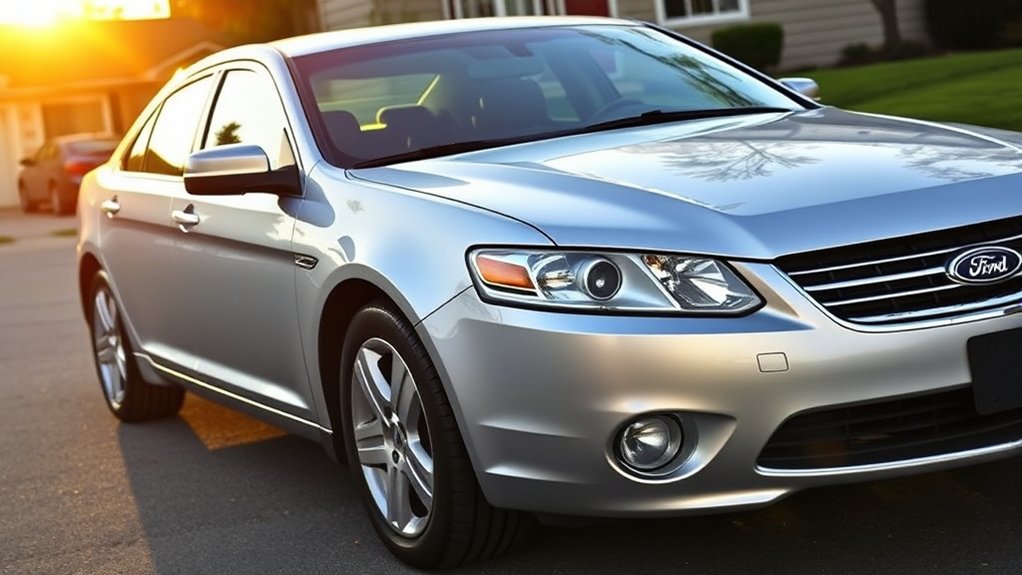
A used Ford Taurus can be worth buying if you want a roomy, comfortable sedan at a lower price than many rivals. You get strong value when you shop carefully, compare trims, and review service records.
A used Ford Taurus can offer strong value, comfort, and practicality when you shop carefully.
The Taurus often offers a quiet ride, easy highway cruising, and plenty of trunk space, but you should weigh age, mileage, and condition before you commit.
- Check maintenance history.
- Compare asking prices.
- Inspect wear items.
- Test drive thoroughly.
These two word discussion ideas help you judge value, while not relevant topics can distract from the basics. If you prioritize practicality over excitement, a well-kept Taurus can make sense, but a neglected one may erase the savings.
Ford Taurus Safety Features
Safety matters with the Ford Taurus, and its available features can help give you more confidence on the road. You can find a solid set of safety features designed to support everyday driving, but equipment varies by model year and trim.
| Feature | Benefit |
|---|---|
| Airbags | Help protect occupants in a crash |
| Stability control | Helps keep the car composed |
| Antilock brakes | Lets you steer while braking |
| Rearview camera | Improves backing visibility |
| Blind spot monitoring | Helps you notice nearby vehicles |
These two word discussion ideas show how the Taurus blends basic protection with helpful driver aids. You should still check each vehicle’s history, recall status, and test results, since condition and maintenance can affect real-world safety.
Which Ford Taurus Trim Is the Best Value?
Which Ford Taurus trim gives you the best value depends on what you want most from the car. If you want low running costs, a base SE often makes sense because you get solid comfort and uniform maintenance without paying for extras you may not use.
- SE: best for budget-focused buyers
- SEL: adds convenience and some tech
- Limited: better if you want more comfort
- SHO: strongest performance, but higher costs
The SEL often offers the best balance of price, features, and ownership value. It usually keeps resale value stronger than the cheapest trim because buyers like its added equipment. If you care about straightforward use and sensible features, the SEL is the most practical middle ground.
Should You Buy a Ford Taurus?
Whether you should buy a Ford Taurus depends on your priorities, budget, and the specific model year you’re considering. You should buy one if you want a roomy, comfortable sedan with strong safety ratings and a smooth highway ride at a reasonable price.
Later models offer good features, while older ones can be inexpensive but may need more maintenance. You shouldn’t overlook reliability history, fuel economy, and repair costs before you decide.
If you need sharp handling or the latest tech, another car may suit you better. Keep unrelated topic and off topic discussions out of your comparison so you can judge the Taurus on its own merits.
For many drivers, it’s a practical used-car choice, but your final decision should match your needs, not just the badge.
Frequently Asked Questions
How Comfortable Is the Ford Taurus on Long Road Trips?
You’ll usually find the Ford Taurus quite comfortable on long road trips, thanks to its long highway comfort and spacious cabin.
You may notice firm ride tuning, but seats stay supportive and noise levels remain manageable.
Does the Ford Taurus Have Good Infotainment Features?
Yes, you’ll find the Taurus’s infotainment is decent: touchscreen responsiveness is usually adequate, and infotainment ergonomics are sensible.
You won’t get spaceship theatrics, but controls are straightforward, though some rivals offer slicker graphics and faster software.
Is the Ford Taurus Expensive to Insure?
You’ll usually find Taurus insurance costs are moderate, not especially expensive, though your rates depend on trim, age, and record. Its maintenance cost is generally reasonable, which can help keep overall ownership expenses balanced.
Can the Ford Taurus Fit Child Seats Easily?
Yes, you can usually fit child safety seats easily in a Ford Taurus. You’ll get decent rear facing compatibility, but space varies by model year, seat size, and installation method, so you should test fit carefully.
How Much Does Routine Ford Taurus Maintenance Cost?
You’ll usually spend about $400 to $800 yearly on routine Ford Taurus maintenance cost. For example, you might pay $120 for an oil change and $200 for brakes.
Your insurance factors can still shift overall ownership costs.
Conclusion
If you’re shopping for a practical used sedan, the Ford Taurus can be a smart pick. You get a roomy cabin, a big trunk, and relaxed highway comfort, but you should still check maintenance records and test the transmission carefully.
One useful stat: 2013–2019 Taurus models generally earned stronger reliability marks than earlier years, which shows how much the right generation can matter.
If you choose carefully, you can get solid value without giving up everyday usefulness. Overall, the Ford Taurus is a good car option for those seeking a comfortable and dependable used sedan.


