Are Ford Mavericks Electric
As an Amazon Associate we earn from qualifying purchases.
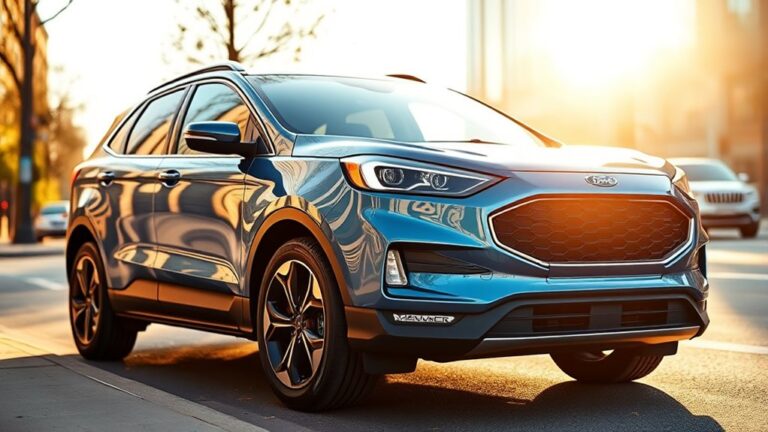
If you’re wondering whether Ford Mavericks are electric, the short answer is no. The Ford Maverick is available with a gas-powered 2.0-liter EcoBoost engine or as a self-charging hybrid, but there’s no plug-in version or all-electric model.
That means you’re looking at a pickup built for efficiency and practicality, not EV-style charging or zero-emission driving. The real difference shows up when you compare it with electric trucks.
Key Takeaways
- No, the Ford Maverick is not electric in its standard form; it’s a compact pickup with gas and hybrid options.
- The Maverick offers a 2.0-liter EcoBoost gas engine and an available 2.5-liter hybrid, but no battery electric version.
- Its hybrid system self-charges through driving and braking, so it does not need plug-in charging.
- Compared with EV trucks, the Maverick lacks zero tailpipe emissions, instant electric torque, and long electric range.
- It focuses on affordability, practicality, and everyday utility rather than being a full electric truck.
Are Ford Mavericks Electric?
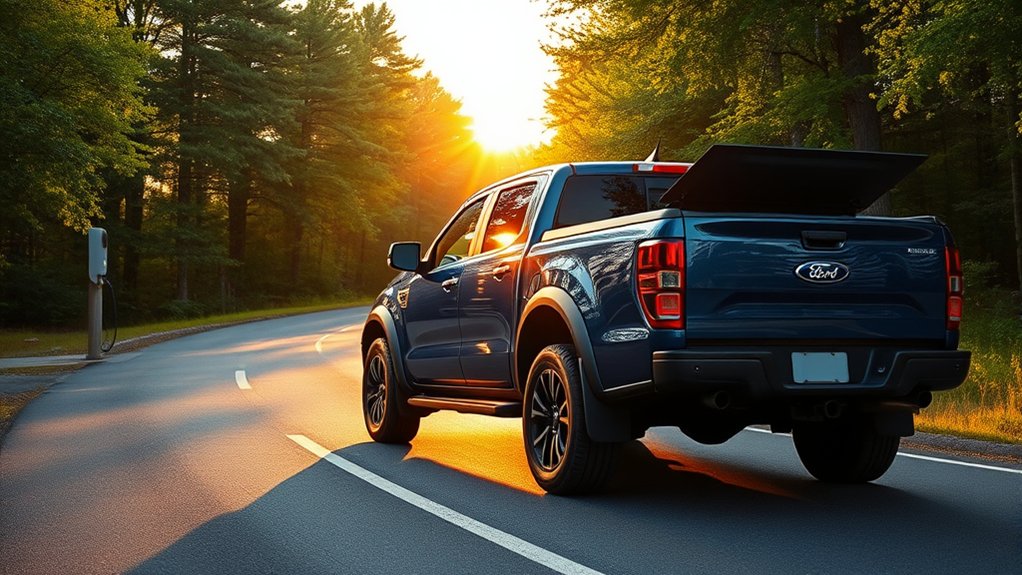
No, the Ford Maverick isn’t electric in its standard form. You’ll find it sold as a compact pickup with conventional trim choices, not as a battery-only model.
If you’re comparing it with EVs, focus on its exterior styling, which looks more truck-like than futuristic, and on pricing trends, which keep it positioned below many electric pickups. That makes it appealing if you want utility without the higher upfront cost often tied to EVs.
You should also check current model-year details, since features and availability can change. If you’re asking whether any electrified version exists, you may see hybrid offerings in some markets, but that’s different from a full electric truck.
In short, the Maverick isn’t an EV.
What Powertrain Does the Ford Maverick Use?
You’ll find that the Ford Maverick doesn’t use an all-electric powertrain; it offers a hybrid setup and gas engine options instead. The hybrid pairs efficiency with everyday driving, while the gas engine gives you more conventional performance.
These powertrain choices help you match the Maverick to your needs without moving to a fully electric truck.
Maverick Powertrain Options
The Ford Maverick isn’t electric; it comes with gas-powered powertrains, including a standard 2.0-liter EcoBoost turbocharged four-cylinder and, on some trims, an available hybrid setup that pairs a 2.5-liter four-cylinder with an electric motor.
You’ll notice Ford positions it differently from a full electric pickup, so battery tech isn’t the focus of its lineup. Instead, you get conventional powertrain choices designed for everyday commuting, light hauling, and efficient driving.
The Maverick’s options let you choose between stronger turbocharged response and better fuel efficiency, depending on trim. If you’re shopping for a compact truck, you can compare these setups based on how you drive, what you tow, and how much efficiency you want without moving to a fully electric model.
Hybrid And Gas Engines
Ford Maverick powertrain choices center on gasoline and hybrid options, so you’re not looking at an all-electric setup here. You can choose the standard 2.5-liter hybrid or the available 2.0-liter turbo gas engine, depending on how you drive and tow.
Neither version gives you an electric range, so you won’t rely on charging infrastructure at all.
| Engine | Output | Key Use |
|---|---|---|
| 2.5L Hybrid | 191 hp | Efficiency |
| 2.0L Turbo Gas | 250 hp | Power |
| Both | FWD/AWD | Daily driving |
You get a compact pickup with conventional fueling and familiar maintenance. If you want EV benefits, you’ll need a different truck.
How the Ford Maverick Hybrid Works
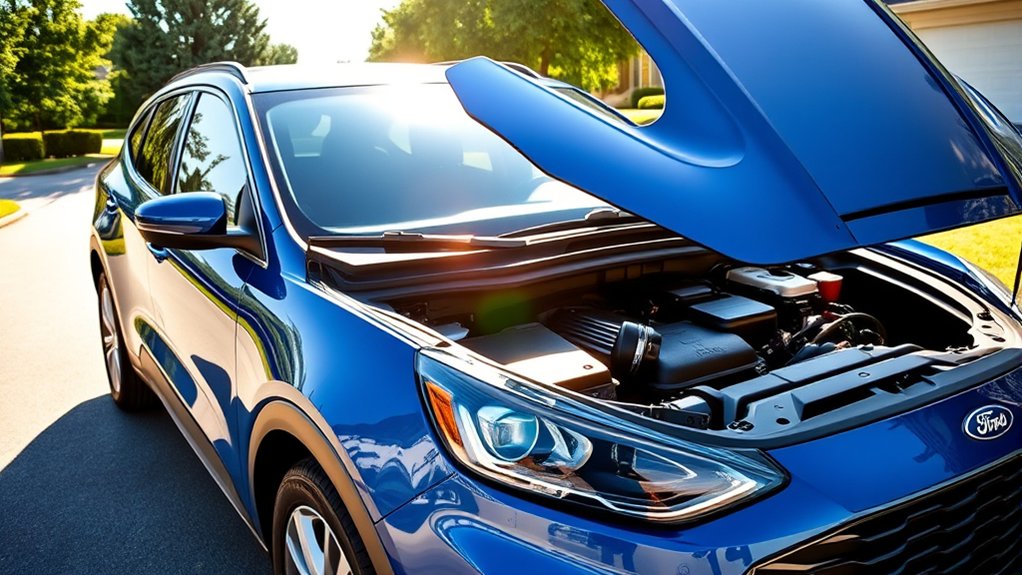
Unlike a fully electric vehicle, the Ford Maverick Hybrid pairs a 2.5-liter Atkinson-cycle gasoline engine with an electric motor and a small battery pack to improve efficiency. You don’t plug it in; the system recharges the battery through regenerative braking and engine operation.
When you accelerate gently or cruise, the motor can assist the engine, and at low speeds it can move the truck by itself for short periods. The powertrain automatically blends sources, so you get smoother starts and better fuel use without changing how you drive.
Eco charging happens through captured braking energy, while solar durability isn’t a feature of the drivetrain itself. Instead, the hybrid setup focuses on practical efficiency, simple operation, and reduced fuel consumption in everyday driving.
Ford Maverick Hybrid vs. Gas Engine
When you compare the Ford Maverick Hybrid and gas engine, you’ll notice clear differences in fuel economy, with the hybrid usually delivering better mileage. You’ll also see differences in powertrain performance, since the gas engine typically offers more traditional acceleration and towing feel.
Over time, maintenance and ownership costs can also vary, so your choice depends on how you balance efficiency, performance, and long-term value.
Fuel Economy Differences
If you’re comparing the Ford Maverick hybrid and gas models, fuel economy is the biggest difference. You’ll get better mileage in the hybrid, especially in city driving, because its electric assist helps reduce fuel use without any charging infrastructure.
The hybrid works like a conventional hybrid, so you don’t plug it in. That means you can enjoy improved fuel economy without changing your routine. The gas model uses more fuel overall, but it gives you more traditional truck ownership with slightly lower purchase cost in many trims.
If you drive a lot in traffic or make frequent short trips, the hybrid can lower your fuel bills noticeably. If you mostly cruise on highways or want simpler availability, the gas engine may fit you better.
Powertrain Performance
Powertrain performance is where the Ford Maverick hybrid and gas engine feel most different on the road. You get smoother, quieter starts from the hybrid because its electric motor helps at low speeds, making city driving feel calm and responsive.
The gas engine delivers stronger acceleration once you press harder, so it can feel more confident when you merge or pass. You’ll notice the hybrid prioritizes efficiency, while the turbo gas setup favors quicker throttle response and higher output.
If you want a relaxed daily drive, the hybrid fits well. If you want more punch, the gas engine stands out. For discussion ideas, compare how each powertrain handles loaded driving. Keep unrelated topics separate so you can judge performance clearly.
Maintenance And Ownership
Maintenance and ownership costs for the Ford Maverick often come down to which powertrain you choose. If you pick the hybrid, you’ll usually spend less on fuel and may see reduced brake wear because regenerative braking helps slow the truck.
The gas engine model can cost a bit more to run, but it uses familiar gasoline maintenance tasks like oil changes, spark plugs, and transmission service. You should expect both versions to stay relatively affordable compared with larger pickups.
There aren’t diesel considerations here, but that comparison matters if you’re cross-shopping other trucks. For long-term ownership, review warranty coverage, local repair access, and tire costs.
Your best choice depends on whether you want lower daily operating expenses or the simpler, traditional service routine of a standard gas powertrain.
How the Ford Maverick Compares to Electric Trucks
Compared with electric trucks, the Ford Maverick is a different kind of pickup: it’s a compact, gas-powered hybrid or nonhybrid truck that prioritizes affordability, lower running costs, and easier daily driving over battery-only range and fast charging.
You get a smaller footprint, simpler fueling, and familiar ownership, while electric trucks focus on long electric range, high torque, and access to charging infrastructure.
If you mostly drive around town, commute, or haul light loads, the Maverick can fit your needs without planning trips around chargers.
Electric trucks may suit you better if you want zero tailpipe emissions and frequent home charging.
In short, the Maverick compares well on practicality and price, while EV trucks lead in technology, towing-oriented capability, and energy from batteries.
What the Maverick Lacks Compared With an EV Truck
Still, the Maverick doesn’t offer some of the core benefits you’d get from an EV truck. You won’t get zero tailpipe emissions, so your driving won’t match the environmental advantage of electric power.
You also miss instant electric torque, which can make EV trucks feel quicker off the line and smoother at low speeds. In addition, you can’t plug the Maverick in at home or rely on public charging infrastructure, because it uses gasoline instead of a battery pack.
The Maverick exterior may look like a compact truck, but its traditional layout means you don’t get the quiet cabin and simpler drivetrain that many EV trucks provide. If you want those features, you’ll need to look beyond the Maverick.
Who the Ford Maverick Is Best For
The Ford Maverick is best for drivers who want a practical, affordable small truck without the size, cost, or complexity of a full-size pickup or an electric powertrain. You’ll likely appreciate it if you need everyday utility, easy parking, and better efficiency than larger trucks.
It suits urban commuters, weekend DIYers, and small-business owners who haul light cargo more often than heavy loads. If you care more about value and versatility than towing extremes or off-road bragging rights, the Maverick makes sense.
It also fits buyers who want to avoid tiny topics and niche debates about battery range, charging, and EV ownership. In short, you’re looking at a sensible truck for real-world needs, not a specialized machine built for one job.
Ford Maverick Trims and Powertrain Options
Ford Maverick trims center on straightforward utility, with each version balancing price, features, and capability a little differently. You can choose from entry-level models that emphasize value, midrange trims that add convenience tech, and higher trims that improve materials and driver aids.
Ford pairs the Maverick with gasoline and hybrid powertrains, so these trucks aren’t electric, even though some shoppers ask whether they are electric. You won’t find plug-in charging options, because the hybrid system recharges itself while you drive. That setup helps you save fuel without changing your routine.
Build quality feels solid for the class, and ride comfort stays compliant over rough pavement. If you want an efficient compact truck with practical options, the Maverick gives you a clear, non-electric lineup.
Frequently Asked Questions
How Much Can a Ford Maverick Tow?
You can tow up to 4,000 pounds with a properly equipped Ford Maverick.
If you’re considering an electric pickup or solar charging, note that towing capacity depends on the trim, engine, and package you choose.
What Is the Ford Maverick’s Fuel Economy?
You’ll see the Ford Maverick’s fuel economy varies by trim and drivetrain; hybrid models maximize efficiency, while all wheel drive and towing capacity can lower it.
That suggests an electric future, balancing pricing, safety features, and practicality.
Does the Maverick Have All-Wheel Drive?
Yes, you can get all-wheel drive on the Maverick with certain trims. It isn’t electric, so electric range and charging options don’t apply, but its safety features still support confident driving.
How Much Does a Ford Maverick Cost?
You’ll usually pay around $24,000 to $36,000 for a Ford Maverick, depending on trim and options.
It doesn’t offer electric propulsion or autonomous capabilities, but you can choose affordable, practical, efficient configurations.
What Safety Features Come Standard on the Maverick?
You get standard automatic emergency braking, lane-keeping assist, and rearview camera; for example, if a child darts behind you, these help. Don’t trust safety feature myths. Check maintenance considerations and trim-specific equipment.
Conclusion
So, if you’re wondering whether Ford Mavericks are electric, the answer is no—they’re more like a smart middle ground than a bolt of lightning. You get gas and hybrid powertrains, not a plug-in battery setup, so you can enjoy lower running costs without EV charging hassles.
If you want a practical, affordable truck that keeps things simple, the Maverick fits the bill like a well-worn glove, not a silent all-electric powerhouse. In conclusion, Ford Mavericks are not electric, but they offer an efficient alternative with their hybrid options.


