Are Ford Focus Good Cars
As an Amazon Associate we earn from qualifying purchases.
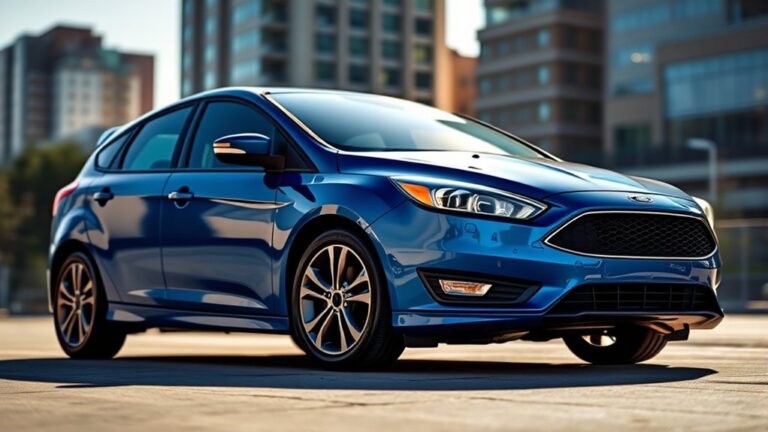
If you’re weighing a Ford Focus, you’ll find that Ford Focus cars can be a smart value when judged by condition, service history, and model year instead of reputation alone. It offers good fuel economy, easy maintenance, and nimble handling, making it a practical choice for many drivers.
However, some versions have known issues you shouldn’t ignore.
The real question is which Focus you’re looking at, because the answer changes more than you might expect.
Key Takeaways
- Ford Focus cars can be good compact cars for fuel economy, practicality, and balanced handling.
- Their reliability varies by model year, so condition and maintenance history matter more than the badge alone.
- Common problem areas include transmissions, electrical systems, and cooling components.
- They are enjoyable to drive, with responsive steering and composed suspension tuning.
- Late second-generation and 2012–2018 models are often better buys if well maintained.
Are Ford Focus Good Cars?
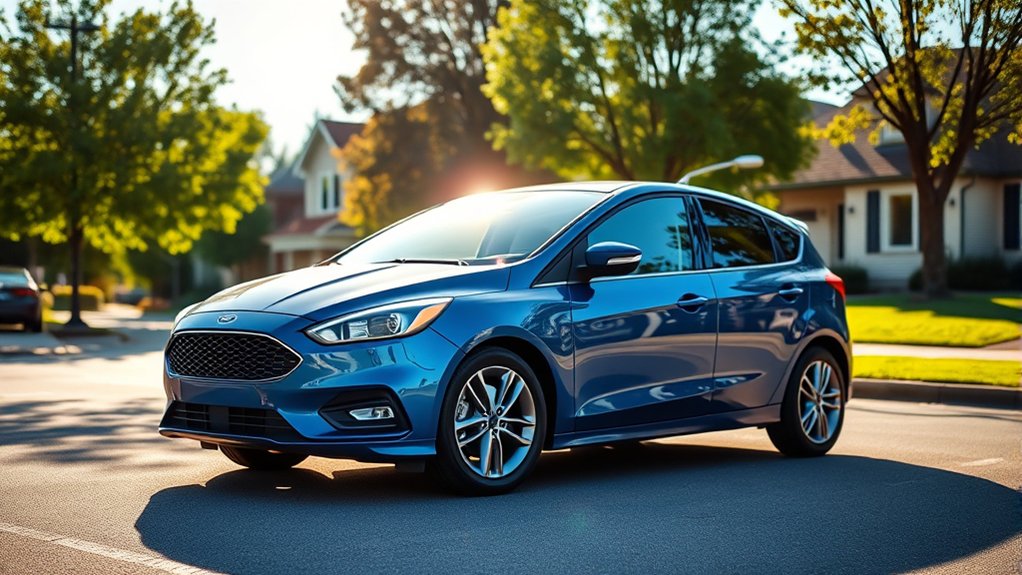
Yes, Ford Focus models can be good cars if you’re looking for a compact vehicle that balances fuel economy, handling, and everyday practicality. You should judge them by condition, trim, and maintenance history, not by broad reliability myths.
Some model years bring more risk than others, so you’ll want to check recalls, service records, and common wear items before you buy. If you’re comparing options, budget considerations matter because lower purchase prices can hide repair costs, higher mileage, or deferred upkeep.
You can still find a Focus that fits your needs, but you should verify that the car’s price matches its actual mechanical state. In short, the Focus can make sense, provided you evaluate it carefully and avoid assuming every example is the same.
Ford Focus Strengths
You’ll find that the Ford Focus stands out for its fuel efficiency, which can help reduce day-to-day driving costs. You can also expect relatively affordable maintenance, making ownership easier to budget over time.
These strengths give the Focus a practical advantage if you’re comparing compact cars.
Fuel Efficiency
Fuel efficiency is one of the Ford Focus’s most practical strengths, especially for drivers who want low running costs without stepping up to a hybrid. You’ll usually see solid mpg from the standard engines, so daily commuting and longer highway trips can stretch a tank well.
That matters when fuel prices stay unpredictable, because the Focus helps you limit visits to the pump. It also compares well with emissions regulations, since its efficient powertrains keep consumption and CO2 output relatively low.
If you drive mostly in mixed traffic, you can still expect reasonable economy without sacrificing everyday usability. For you, the key advantage is simple: the Focus gives you a balanced mix of efficiency, range, and real-world practicality.
Affordable Maintenance
Another reason the Ford Focus appeals to budget-conscious buyers is its affordable maintenance. You’ll usually find common parts, straightforward service procedures, and many independent shops that can handle routine work without premium labor rates. In a cost comparison, that often keeps ownership expenses lower than many compact rivals.
- Oil changes and filters are inexpensive.
- Brake parts are widely available.
- Repairs often use standard components.
- Routine diagnostics don’t require specialized service.
You can also plan maintenance more easily because the Focus has predictable service needs. That predictability helps you avoid surprise bills and compare long-term costs with confidence. If you want a compact car that doesn’t strain your budget, the Focus makes affordable maintenance a practical strength.
Ford Focus Reliability and Common Problems
The Ford Focus has a mixed reliability record, with stronger performance in some model years than others. You should expect some reliability concerns, especially with transmissions, electrical systems, and cooling components.
Certain models have reported random failures that can trigger warning lights, rough shifting, or unexpected shutdowns. Regular maintenance helps, but it won’t eliminate every issue if you pick a troublesome year.
You can reduce risk by checking recall history, reviewing service records, and getting a pre-purchase inspection. Later model years generally perform better than early ones, but condition matters more than mileage alone.
If you want a used Focus, focus on documented upkeep and known problem areas. That way, you’ll make a more informed decision and avoid avoidable repair costs.
How the Ford Focus Drives
Beyond reliability concerns, the Ford Focus stands out for how it feels on the road. You’ll notice balanced steering, predictable body control, and a chassis that makes everyday driving easier.
Its driving dynamics favor precision over drama, so you can place it accurately in traffic or through corners.
- You get responsive steering that builds confidence.
- You feel composed suspension tuning over uneven pavement.
- You benefit from solid road handling at city and highway speeds.
- You experience a compact feel that suits tight spaces and quick maneuvers.
Ford Focus Fuel Economy and Running Costs
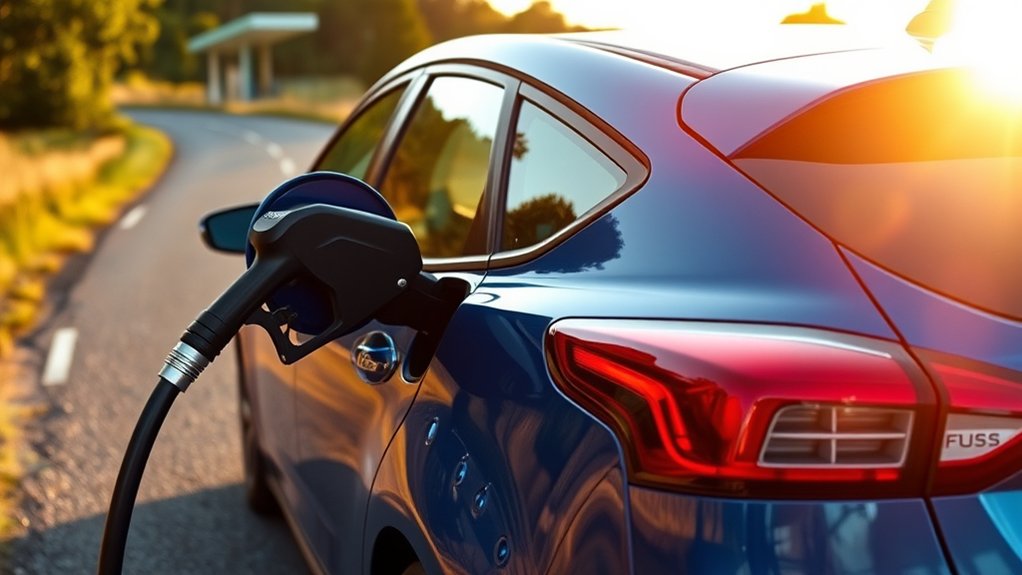
When it comes to fuel economy and running costs, the Ford Focus usually lands in the practical middle ground: it’s efficient enough for daily commuting, but ownership costs still depend heavily on trim, engine choice, and maintenance history.
You can expect solid fuel economy from smaller engines, especially on highway routes and in manual or mild-hybrid setups. Higher-powered variants usually trade efficiency for stronger performance. Routine maintenance costs stay reasonable if you keep up with oil changes, brakes, and fluids, but neglected cars can become expensive quickly.
Parts are widely available, which helps limit repair bills. Insurance and taxes vary by market, yet the Focus generally remains affordable to run compared with many rivals in its class.
Best Ford Focus Years to Buy
Which Ford Focus years are worth buying depends on your priorities, but later third-generation models and well-maintained late second-generation cars usually offer the best balance of reliability, features, and running costs. You’ll usually find the best years by focusing on examples with clear service history and fewer known issues.
Model differences matter, but they’re easier to judge when you compare year-by-year changes.
- Late second-generation cars: often simpler and dependable.
- 2012-2018 models: generally stronger picks overall.
- Mid-cycle updates: they can improve refinement and durability.
- Freshly maintained, low-mileage examples: they reduce risk.
You should weigh condition more heavily than badge details, because a well-kept older Focus can outshine a neglected newer one.
Ford Focus Trims, Engines, and Features
The Ford Focus lineup gives you a wide range of trims, engines, and features, so the right choice depends on how you plan to use the car. In trims comparisons, the base models usually give you the essentials, while higher trims add tech, comfort, and styling upgrades.
You’ll also see several engine options, from efficient four-cylinder setups to more responsive turbocharged versions in sportier variants. If you value economy, you should focus on simpler trims with smaller engines. If you want stronger acceleration and more equipment, higher trims make more sense.
Features vary by model year, but you can expect options like touchscreen infotainment, driver aids, alloy wheels, and upgraded upholstery. Compare each package carefully, because equipment can change the car’s value and overall appeal.
Is a Ford Focus Right for You?
Is a Ford Focus right for you depends on what you want from a compact car. You should judge it by handling, cost, and practicality, not marketing hype. The Focus works if you value sharp steering, easy parking, and efficient commuting.
A Ford Focus suits drivers who value sharp steering, easy parking, and efficient commuting over marketing hype.
Its esoteric design choices may appeal if you prefer a more driver-focused cabin, but they won’t suit everyone.
- You need a budget-friendly daily driver.
- You want nimble road manners.
- You can accept limited rear-seat and cargo space.
- You’re comfortable with used-car availability and trim differences.
If you want simple transportation with solid dynamics, the Focus can fit well. If you prioritize modern tech, roomy comfort, or broad dealer support, you may want to compare other compact cars before deciding.
Frequently Asked Questions
How Much Cargo Space Does the Ford Focus Have?
You’ll get about 23.8 cubic feet of cargo space in the Ford Focus hatchback, while the sedan offers less trunk room. That capacity suits daily use, though compact dimensions limit larger loads and flexibility.
Can a Ford Focus Fit Three Child Seats in Back?
Usually, you can’t fit three child seats in a Ford Focus’s back. Its rear bench width is limited, so three child seating arrangements often feel tight unless you use narrow seats and test fit carefully.
What Is the Ford Focus Towing Capacity?
You’re looking at a modest towing capacity: most Ford Focus models aren’t rated to tow, so you shouldn’t rely on them for trailers.
You’ll get better cargo space than towing ability, though.
How Expensive Are Ford Focus Replacement Parts?
You’ll usually find Ford Focus replacement parts aren’t wallet-devouring, but costs can still jump for electronics and suspension.
If you avoid expensive parts and weigh reliability tradeoffs, you can keep repairs reasonably priced without surprises.
Does the Ford Focus Have Apple Carplay?
Yes, you can get Apple CarPlay in some Ford Focus models, especially newer ones. You should check the trim and model year, because infotainment features vary, and older versions often didn’t include it.
Conclusion
So, are Ford Focus good cars? If you choose carefully, yes. You should judge the car by maintenance, mileage, and condition, not by reputation alone.
One useful stat: many late-model Focus sedans return around 30–35 mpg combined, which helps keep daily costs low. If you want a compact with good steering, solid fuel economy, and manageable running costs, a well-kept Focus can be a smart buy.
In conclusion, Ford Focus good cars offer a reliable and economical option for those who prioritize efficiency and affordability.


