Are Ford f150 Reliable
As an Amazon Associate we earn from qualifying purchases.
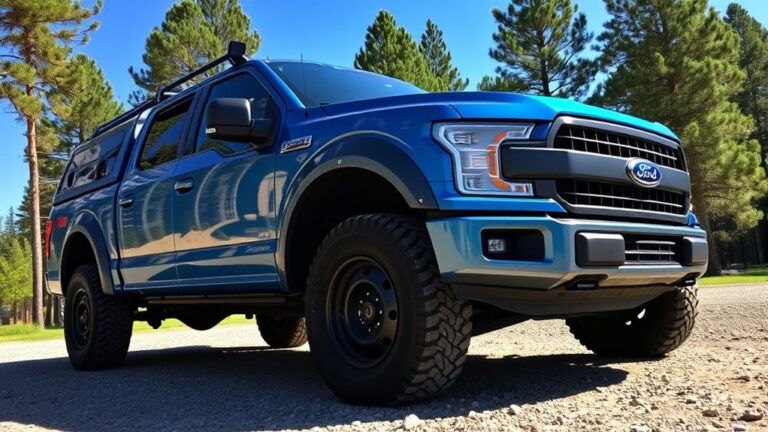
Are Ford F-150s reliable, or are you buying reputation more than durability? The reliability of a Ford F-150 often depends on several factors such as the model year, engine type, maintenance history, and the truck’s workload.
Well-kept F-150s can last a long time and provide dependable service. However, some model years have been known to experience issues like misfires, leaks, sensor faults, and transmission wear.
The details matter when assessing reliability, and these factors can quickly change your perspective on the truck’s overall durability.
Key Takeaways
- Ford F-150s are generally reliable full-size pickups, but dependability varies by model year, engine, maintenance, and use.
- Well-maintained F-150s usually last longer and outperform neglected trucks, especially under towing or heavy-duty work.
- Common problems include engine misfires, oil or coolant leaks, rough shifting, and electrical sensor failures.
- Notable reliable choices include the 2009, 2011, 2014, 2018, and 2020 model years, depending on your needs.
- Regular oil changes, transmission service, rust prevention, and careful pre-purchase inspection improve ownership reliability.
Ford F-150 Reliability: The Short Answer
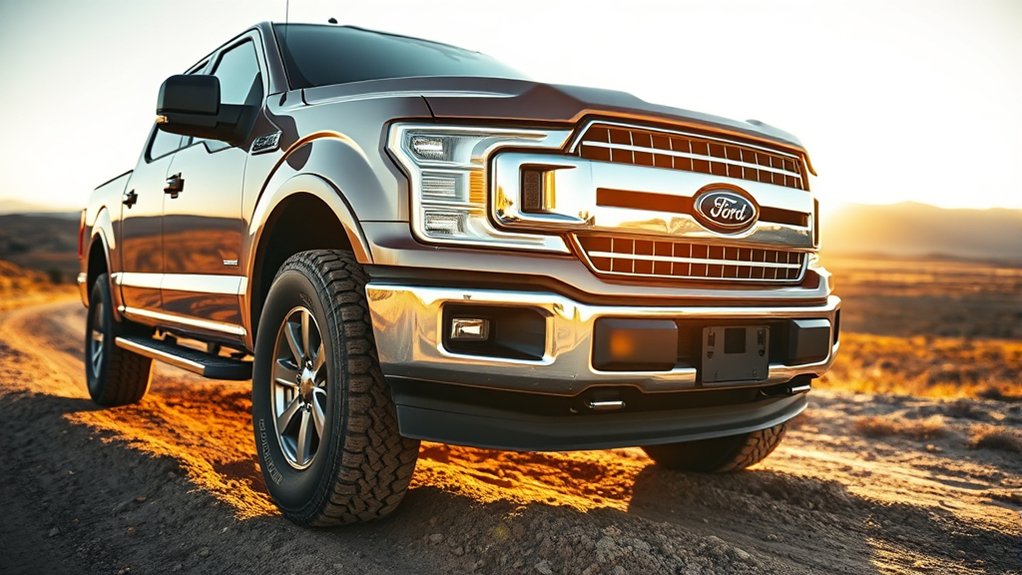
Yes, the Ford F-150 is generally considered a reliable full-size pickup, but its dependability depends heavily on the model year, engine choice, maintenance history, and how hard it’s been worked. You can expect strong durability from well-kept trucks, especially when you compare them with cheaper alternatives that may offer less refinement or towing strength.
In luxury comparisons, the F-150 often holds up well because it balances capability, comfort, and parts availability better than many rivals. Still, not every F-150 delivers the same results, and you should judge reliability by specific examples rather than the badge alone.
If you want a practical answer, the F-150 is usually reliable enough for daily use, work duty, and long ownership, provided you choose carefully and inspect the truck thoroughly.
What Factors Affect F-150 Reliability?
When you assess F-150 reliability, you should look first at the engine and drivetrain, since their design, workload, and wear patterns shape long-term durability. You should also consider how you maintain and use the truck, because oil changes, towing habits, load levels, and driving conditions can raise or lower failure risk.
These factors often interact, so a well-maintained truck with a solid powertrain usually holds up better than one that’s neglected or heavily stressed.
Engine and Drivetrain
Engine and drivetrain choices play a major role in how reliable an F-150 feels over time, because the truck’s durability depends on how well its components handle load, heat, towing, and maintenance. You’ll usually see different outcomes across the V6, V8, and turbocharged engines, since each design trades simplicity, power, and stress differently.
Turbocharged setups can deliver strong performance, but they also add complexity that may affect long-term reliability if engine emissions systems or cooling components run hot. The transmission and 4×4 hardware matter too, because smooth shifting and sturdy gear engagement reduce wear.
Luxury trims often add more electronics and drivetrain features, which can increase repair risk. When you compare configurations, you should weigh output against mechanical complexity and expected durability.
Maintenance and Usage
How reliable an F-150 feels often comes down to how you maintain it and how hard you use it. You improve outcomes when you follow service intervals, inspect fluids, and replace wear items before they fail.
Heavy towing, stop-and-go driving, and off-road use raise stress and can shorten component life. Your habits matter: smooth acceleration, proper tire pressure, and clean oil reduce strain. Even loading patterns affect longevity, much like fashion trends and interior design shape how a space wears over time.
- Regular oil changes protect engine parts
- Brake and tire checks catch early wear
- Transmission service helps under towing loads
- Rust prevention matters in harsh climates
- Gentle driving limits mechanical fatigue
Which Ford F-150 Years Are Best?

If you’re trying to pinpoint the best Ford F-150 years, the strongest picks are typically the model years that pair proven powertrains, fewer reported complaints, and solid long-term durability. You’ll often get the most balanced value from these years:
| Year | Why it stands out | Best use |
|---|---|---|
| 2009 | Refined V8 options | Work and towing |
| 2011 | Strong efficiency gains | Daily driving |
| 2014 | Mature design | Mixed use |
| 2018 | Modern tech, solid tuning | Family hauling |
| 2020 | Updated capability | Travel tips and grocery shopping |
You should compare service history, trim, and drivetrain before buying. In general, later model years in a proven generation tend to deliver more consistent ownership, especially if you want dependable performance without sacrificing comfort, utility, or resale value.
What Problems Do Ford F-150s Have?
When you evaluate Ford F-150 reliability, you’ll want to watch for engine troubles that can affect power, oil use, and overall durability. You may also run into transmission issues, including rough shifting or delayed engagement, which can change how the truck drives under load.
Electrical problems can add another layer of risk, since faulty sensors, wiring, or accessories can create hard-to-diagnose failures.
Engine Troubles
Engine troubles are one of the main concerns Ford F-150 owners report, and they can range from minor drivability issues to major repairs. You should evaluate symptoms quickly, because early diagnosis often limits damage and cost.
Common causes include:
- misfires from worn plugs or coils
- oil leaks that reduce lubrication
- coolant loss that can trigger overheating
- carbon buildup on direct-injection engines
- sensor failures that affect performance
If you’re comparing reliability, these patterns matter more than vague praise or an off topic, unsuitable topic discussion. You’ll get a clearer picture by checking service records, recall history, and maintenance intervals.
A well-kept truck usually performs better, but neglected engines can show problems sooner than you’d expect.
Transmission Issues
Transmission issues are another common concern in Ford F-150 ownership, and they often show up as rough shifting, delayed engagement, slipping, or hesitation under load. You may notice these symptoms more in stop-and-go driving, towing, or when the truck downshifts unexpectedly.
In many cases, fluid condition, software calibration, or internal wear can influence how well the transmission performs over time. You should expect repair costs to vary by model year and mileage, especially if the truck has seen hard use.
Ford’s revenue models and marketing strategies emphasize capability and refinement, but your real-world experience depends on maintenance history and drivetrain design. Careful test drives, service records, and prompt diagnosis can help you judge whether a used F-150’s transmission is still dependable.
Electrical Problems
Electrical problems can affect an F-150’s reliability in ways that are harder to spot than mechanical failures, since they often show up as warning lights, dead batteries, faulty sensors, infotainment glitches, or intermittent starting issues. You should treat these electrical problems as diagnosis clues, not isolated annoyances, because they can point to wiring, grounds, or battery-management faults.
- Check battery age and charging voltage.
- Inspect corroded terminals and loose cables.
- Scan for sensor and module codes.
- Test alternator output under load.
- Verify weight distribution doesn’t strain harnesses.
You’ll also want to review aftermarket accessories, since poor installation can trigger faults. If you ignore early symptoms, you may face harder starts, disabled features, and inconsistent performance that reduce reliability over time.
Does the F-150 Last a Long Time?
Yes, the Ford F-150 can last a long time when it’s properly maintained, and many examples routinely reach 200,000 miles or more. You’ll usually see the longest lifespans when you stay on top of oil changes, transmission service, cooling system care, and timely repairs.
Your truck’s durability also depends on how hard you use it; light commuting generally adds less wear than constant towing or off-road abuse. In objective terms, the F-150’s frame, powertrain, and parts availability support long-term ownership, but neglect shortens service life quickly.
If you’re comparing two word discussion ideas about longevity, remember that an unrelated topic like styling won’t change mechanical endurance. Consistent maintenance and sensible use matter most, and they help your F-150 remain dependable for years.
Should You Buy a Ford F-150?

If you’re wondering whether a Ford F-150 is worth buying, the answer depends on how well it matches your needs, budget, and tolerance for upkeep. You should buy one if you need strong towing, broad trim choices, and proven parts availability. You might skip it if fuel costs, parking size, or repair exposure bother you.
Assess payload and towing needs first. Compare V6, V8, hybrid, and turbo options. Review maintenance history and service records. Check resale value in your market. Ignore any unrelated topic or tangential idea that doesn’t affect ownership costs.
You’ll get the best value when you buy the right configuration, inspect it carefully, and plan for regular maintenance.
Frequently Asked Questions
How Often Should Ford F-150 Brakes Be Replaced?
You should replace your Ford F-150 brakes every 30,000 to 70,000 miles, depending on driving habits and load. Your brake lifeability and maintenance cadence improve with inspections every 10,000 miles, heavy towing, and smooth braking.
Is the F-150 Good for Towing Heavy Trailers?
Yes, you can tow heavy trailers with an F-150 when you match trim, engine, axle ratio, and tow package. Some configurations pull over 13,000 pounds.
You’ll compare discussion ideas, topics unrelated, and payload limits carefully.
Which F-150 Engine Gets the Best Fuel Economy?
You’ll usually get the best fuel economy from the 2.7L EcoBoost V6, especially in two-wheel-drive trims. It balances strong fuel economy with decent engine reliability, though your driving habits, load, and gearing still matter.
Do Ford F-150s Hold Their Resale Value Well?
Yes, you’ll usually find Ford F-150s hold resale value well, like a sturdy bridge in a storm. You should weigh resale value against reliability considerations, trim, mileage, and condition, since these shape market demand and pricing.
What Maintenance Does an F-150 Need Yearly?
You should follow Ford’s maintenance schedule, change oil, rotate tires, inspect brakes, fluids, belts, battery, and filters, and complete yearly checks.
Doing this helps fuel economy, protects resale value, and reduces unexpected repair costs.
Conclusion
So, are Ford F-150s reliable? Yes—if you buy smart and keep up with maintenance, you can get a truck that seems almost indestructible. Your best bet is a well-maintained model year with solid service records, because neglected trucks can rack up misfires, leaks, and transmission headaches fast.
Check recalls, inspect the drivetrain, and review upkeep before you buy. Do that, and you’ll likely end up with a long-lasting workhorse, not a money pit. In conclusion, a Ford F-150 can be very reliable when properly cared for and chosen wisely.


