Are Ford Broncos Good Cars
As an Amazon Associate we earn from qualifying purchases.
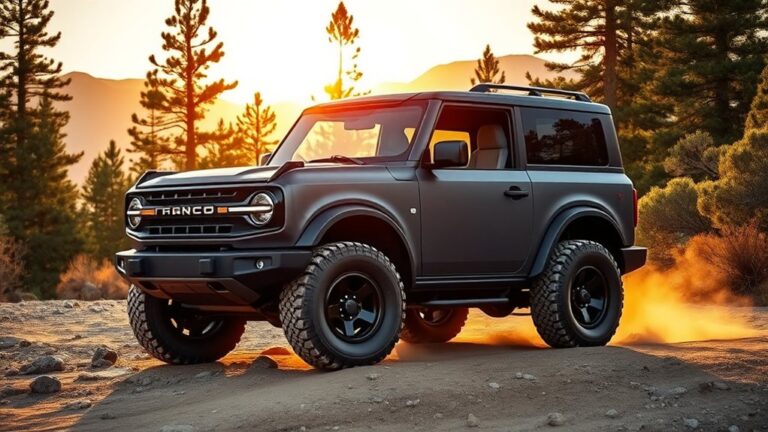
If you’ve been wondering, “Are Ford Broncos good cars?” and spotted one on the road the same day, that’s probably no accident.
These vehicles offer real off-road capability, a roomy cabin, and strong aftermarket support. However, you might also notice rougher highway manners, increased road noise, and higher ownership costs compared to many SUVs.
Whether that tradeoff works for you depends on your driving style. The details behind reliability, comfort, and value may matter more than you think.
Key Takeaways
- Ford Broncos are good if you want a rugged SUV with real off-road capability and strong aftermarket support.
- They offer a spacious, upright cabin with easy-to-use controls and a high driving position.
- Daily comfort is mixed because ride quality can be firm and highway wind noise is noticeable.
- Reliability and ownership costs vary, so maintenance history, recalls, and trim choice matter.
- Value is strongest in mid-range trims like Big Bend or Black Diamond, especially for mixed commuting and trail use.
Are Ford Broncos Good Daily Drivers?
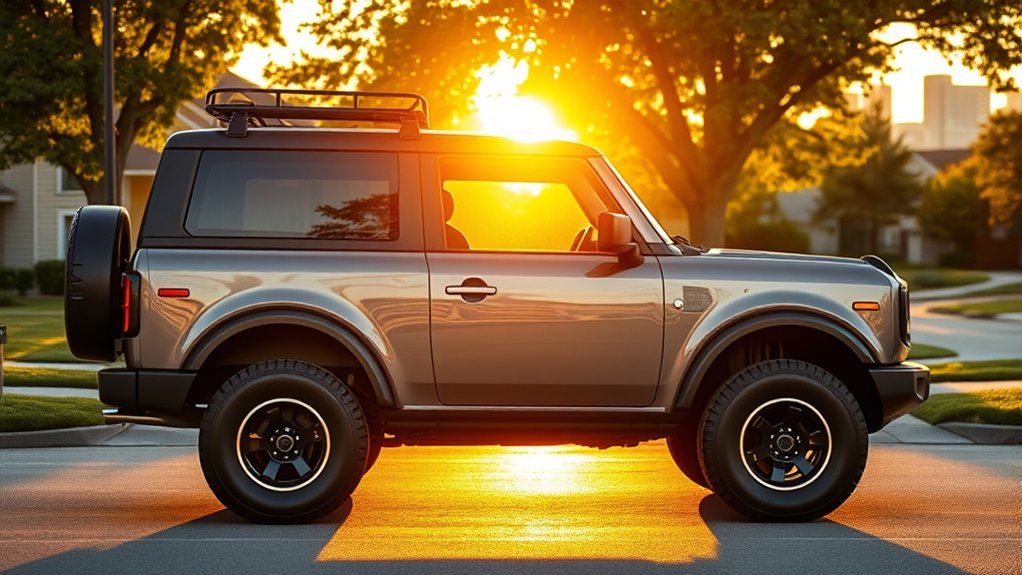
Whether a Ford Bronco makes a good daily driver depends on what you need from your vehicle, because it blends everyday usability with some clear trade-offs. You get a roomy cabin, easy-to-use controls, and a high driving position that can make commuting feel relaxed.
You also get strong off-road traction, which adds confidence in bad weather or on rough streets. Still, you should expect a firm ride, noticeable wind noise, and fuel economy that isn’t as efficient as many crossovers.
Parking can feel less convenient in tight spaces, and the Bronco’s size may take some getting used to. If you value convertible practicality and want a vehicle that handles weekday errands and weekend adventures, it can work well.
What Makes the Bronco So Good Off-Road?
What really sets the Bronco apart off-road is how purpose-built it is for rough terrain, not just for pavement. You get a body-on-frame design, available four-wheel drive, locking differentials, and terrain management systems that help you adapt to mud, sand, rocks, and snow.
Short overhangs improve approach and departure angles, so you can tackle steep trails with less risk of scraping. High ground clearance and strong suspension articulation help maintain traction when the surface gets uneven.
You also benefit from good off road efficiency because the Bronco lets you select the right mode and hardware for the conditions. Add extensive aftermarket support, and you can tailor tires, armor, and suspension to match your trail goals.
How Comfortable Is the Ford Bronco?
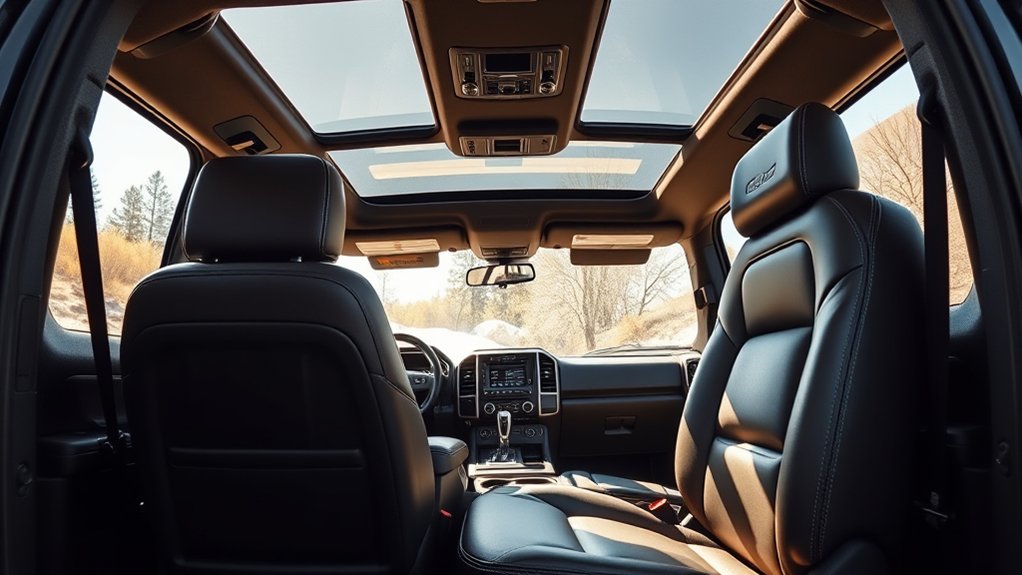
Comfort-wise, the Ford Bronco is competent but not class-leading, and that’s largely because it prioritizes off-road capability over plush-road manners. You get supportive seats, a high driving position, and a cozy cabin that feels open and easy to live with.
The ride can feel firm on broken pavement, especially with larger tires and the more rugged suspension tuning. On the highway, you’ll notice wind noise more than in many SUVs, and that can make long trips less relaxing.
Still, the Bronco’s upright layout, large windows, and available removable roof panels create an airy, enjoyable space. If you value visibility, easy entry, and a cabin that fits active use, you’ll likely find it comfortable enough for daily driving.
How Reliable Is the Ford Bronco?
Reliability is a mixed bag with the Ford Bronco, and it depends a lot on how hard you use it and which version you buy. If you drive it mostly on pavement, you’ll likely see decent day-to-day dependability, but heavier off-road use can expose more wear and tear.
Some owners report reliability concerns tied to electronics, trim pieces, and occasional software glitches, so you should pay attention to update history and warranty coverage. Engine performance is generally strong, especially with the turbocharged options, though repeated hard use can add stress over time.
You can improve your odds by choosing a well-maintained example, following service intervals, and inspecting for recalls before buying.
How Much Does a Ford Bronco Cost to Own?
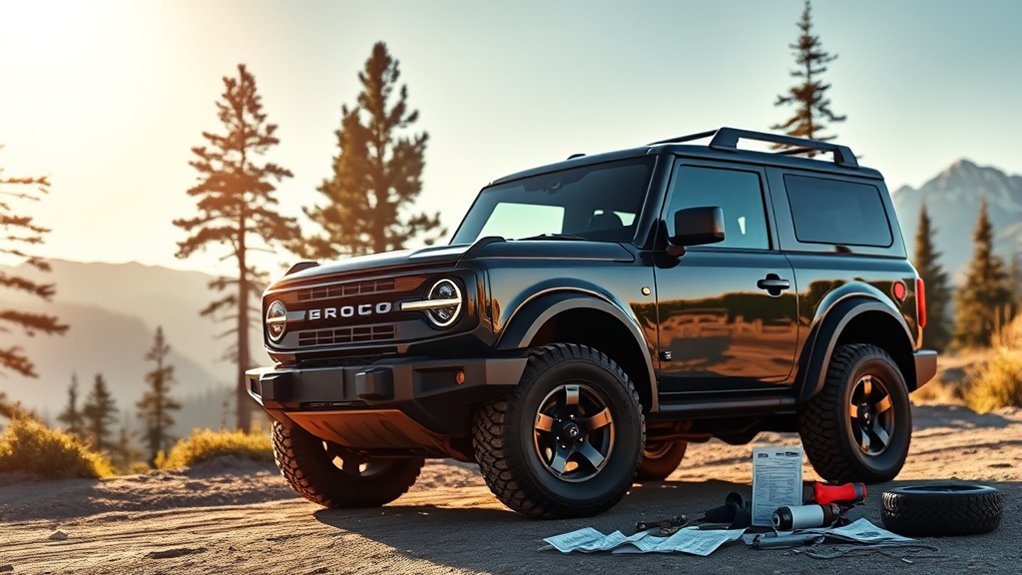
You can expect a Ford Bronco’s ownership cost to start with a purchase price that varies widely by trim, options, and drivetrain. Your ongoing expenses will also include insurance and fuel, both of which can run higher than average for a body-on-frame SUV with off-road capability.
Maintenance and repairs should stay manageable with regular service, but rugged use can raise your long-term costs.
Purchase Price Range
A Ford Bronco’s purchase price can range widely, depending on the trim, drivetrain, and options you choose. You’ll usually pay more for advanced off-road packages, bigger screens, and upgraded materials, while base models keep the entry point lower.
Ignore unreliable rumors that every Bronco costs the same; prices shift fast with dealer markups and regional demand. You should also watch for hidden costs like destination charges, required accessories, and add-on protection plans.
| Trim | Typical Range | Value Note |
|---|---|---|
| Base | Lower | Simplest setup |
| Big Bend | Mid | Balanced features |
| Outer Banks | Mid-high | Comfort focus |
| Badlands | High | Off-road gear |
| Raptor | Highest | Performance premium |
Insurance And Fuel
Insurance and fuel can make a Ford Bronco noticeably more expensive to own than some smaller SUVs. You’ll usually see higher insurance costs because the Bronco’s price, off-road capability, and repair values can push premiums up.
Your rate also depends on trim, location, driving record, and coverage choices, so it pays to compare quotes before you buy. Fuel economy is another key factor: the Bronco’s boxy shape, available four-wheel drive, and powerful engines mean you’ll likely visit the pump more often than you would in a compact crossover.
If you drive mostly in the city or take frequent road trips, these running costs can add up quickly. For buyers who want rugged performance, the tradeoff is clear: you get capability, but you should budget carefully for ongoing ownership expenses.
Maintenance And Repairs
Maintenance costs are another major part of what it really takes to own a Ford Bronco. You should budget for routine service, tires, brakes, and occasional off-road wear, which can raise upkeep above average SUV levels.
Ford’s warranty coverage helps early on, but it won’t cover consumables or damage from hard trail use. To keep ownership costs predictable, follow the maintenance schedule and inspect suspension, driveline, and underbody parts often.
| Service | Typical Interval | Cost Impact |
|---|---|---|
| Oil change | 5,000-7,500 miles | Low |
| Tire rotation | 5,000-7,500 miles | Low |
| Brake service | As needed | Medium |
| Suspension checks | Annual | Medium |
If you drive rough terrain, you’ll likely spend more on repairs and replacement parts over time.
Which Bronco Trims Offer the Best Value?
You’ll often find the Base trim offers the lowest entry price, so it can be the best value if you want Bronco capability without extra equipment you may not need.
Mid-range trims usually add the features most drivers notice every day, such as upgraded tech, comfort items, and convenience options, which can make them a stronger overall buy.
If you care most about trail performance, some higher off-road trims deliver more hardware for the money, but you should weigh those gains against the added cost.
Base Trim Value
When it comes to Bronco value, the base trim often stands out as the smartest starting point for buyers who care more about capability than luxury. You get the core Bronco formula: strong off-road hardware, a removable roof and doors, and straightforward controls without paying for extras you may not need.
If you want a rugged SUV for trails, daily driving, or weekend trips, the base model can deliver solid value. Its interior durability also matters, since simpler materials usually handle dirt, sand, and frequent use well.
You shouldn’t expect much ride refinement, but that tradeoff helps keep the price lower. For many shoppers, the base trim offers the best balance of cost, toughness, and essential utility.
Mid-Range Features
If the base Bronco feels too bare-bones, the mid-range trims are where the lineup starts to make sense for a lot of buyers. You get a stronger mix of convenience and comfort without jumping to the priciest models.
Depending on the body style you choose, you can add features like larger infotainment screens, dual-zone climate control, heated seats, and upgraded driver-assistance tech. The interior materials also improve, with softer-touch surfaces and more durable trim finishes that feel better day to day.
These trims usually offer the best balance if you want a Bronco that feels more refined but still keeps pricing in check. For many shoppers, that middle ground delivers the clearest value because you pay for useful upgrades, not just badges.
Off-Road Value
For off-road value, the best Bronco trim depends on how hard you plan to use it and how much trail hardware you actually need. If you want a capable daily driver with strong trail manners, the Big Bend or Black Diamond often gives you the best balance of price and equipment.
You get the Bronco’s rugged off-road stance, good clearance, and enough durability for dirt roads and moderate trails without paying for extreme hardware you may never use. If you tackle harder terrain, the Badlands trim adds lockers, upgraded suspension, and better control.
The Wildtrak and Raptor deliver top-tier capability, but their premium pricing lowers value for many buyers. Strong aftermarket support also lets you start lower and build later.
What Common Bronco Problems Should You Know?
Even the Bronco’s rugged reputation comes with a few issues you should know about before buying one. You may notice wind noise at highway speeds, especially with the removable roof and doors.
Some owners report leaks around seals after heavy rain or car washes, so you should inspect the Bronco interior for damp spots and worn weatherstripping. Infotainment glitches and slow response times can also appear, though software updates often help.
On rough trails, suspension and steering components can wear faster than expected if you drive hard. Fuel economy stays modest, so operating costs can add up. If you value eco friendly materials, check trim details carefully, because content varies by model.
A thorough test drive and inspection can reveal most concerns early.
Is a Ford Bronco Right for You?
Those common Bronco issues don’t automatically rule it out, but they do help define the kind of buyer who’ll be happiest with one. You should choose a Bronco if you want genuine off-road ability, removable body panels, and a rugged SUV that feels built for adventure.
The Bronco interior emphasizes utility over luxury, so you’ll like it more if durability matters more than polished materials. You may prefer another Bronco alternative if you want quieter highway manners, better fuel economy, or a smoother daily commute.
The Bronco suits drivers who value trail capability, bold styling, and modular features, yet it can feel less refined than rivals. If your priorities are commuting comfort and low ownership hassle, test other SUVs before deciding.
Frequently Asked Questions
Does the Bronco Fit in a Standard Garage?
Usually, you’ll need to check your garage fit first; a Bronco may fit in many standard garages, but tight spaces can be tricky.
You can also consider door removal to ease parking and clearance.
Can You Remove the Bronco Doors by Yourself?
Yes, you can remove the Bronco doors by yourself because nothing says convenience like engineering a vehicle to make you work for its freedom.
You’ll manage door removal solo, though off-roading confidence improves if you’ve got help.
Does the Bronco Have Good Towing Capacity?
Yes, you’ll get decent towing capability from a Bronco, but it isn’t class-leading.
You should check your trim’s payload capacity and tow rating, since both affect how much gear, trailer, and passengers you can safely haul.
How Fuel-Efficient Is the Ford Bronco?
You won’t buy a Bronco for thrift, but its fuel economy is respectable for a rugged SUV. You’ll see about 17-22 mpg, depending on trim.
Engine efficiency varies with tires, drivetrain, and powertrain choice.
What Tech Features Come Standard on the Bronco?
You get standard tech features like an 8-inch touchscreen, wireless smartphone integration, Bluetooth, and a rearview camera.
You’ll also enjoy standard capabilities such as FordPass Connect, voice controls, and USB ports for everyday convenience.
Conclusion
So, are Ford Broncos good cars? If you want a trail-ready ride with everyday usability, you’ll likely say yes. You get strong off-road chops, a roomy cabin, and plenty of ways to build it your own.
However, you’ll also live with more road noise, a firmer ride, and higher ownership costs. Think of it as a modern knight-errant: built for the quest, not the commute alone.
If that fits your life, the Bronco’s a smart match. In conclusion, Ford Broncos are good cars for those who prioritize adventure and versatility over traditional comfort.


