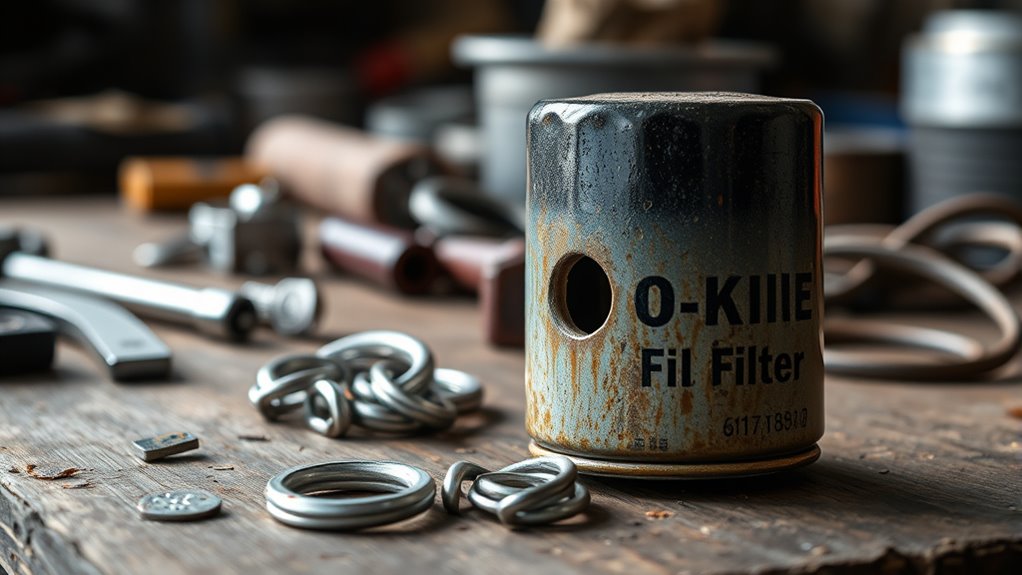

You shouldn’t toss old oil filters in the trash because they contain harmful toxins that can pollute soil and water.
Instead, drain them completely by placing upside down over a pan for 12+ hours to remove trapped oil.
Store them in a sealed, sturdy container to prevent leaks and take them to a local recycling center or auto shop that accepts used oil filters.
Doing this helps protect the environment and conserves resources.
Keep going to discover more about safe handling and recycling options.
Key Takeaways
- Drain old oil filters completely by placing them upside down over a pan for at least 12 hours before disposal.
- Store drained filters in sealed, puncture-resistant containers labeled clearly to prevent leaks and odors.
- Take old oil filters to designated recycling centers, auto parts stores, or service stations for proper recycling.
- Avoid direct reuse of used filters due to contamination and material degradation risks; professional refurbishment is required.
- Follow local hazardous waste regulations and use quality filters to minimize environmental impact and support sustainability.
Why You Should Never Throw Old Oil Filters in the Trash
Although it might seem convenient, you should never throw old oil filters in the trash because they contain hazardous materials that can harm the environment.
When you toss them in the garbage, these toxins can leak into the soil and waterways, posing risks to plants, animals, and even people.
Additionally, oil filters are made of metal that can be recycled and reused, so throwing them away wastes valuable resources.
By properly disposing of your used oil filters, you help prevent pollution and support recycling efforts.
Instead of tossing them in the trash, look for designated collection sites or auto shops that accept old filters.
Taking a few extra steps guarantees you’re protecting the environment and promoting responsible waste management.
Why Used Oil Filters Are Hazardous Waste
Because used oil filters still contain contaminated oil, they qualify as hazardous waste and require careful handling.
When you discard them improperly, the residual oil can leak and pollute soil and waterways, harming plants, animals, and even your drinking water.
The oil inside contains heavy metals and toxic substances from your engine, which don’t break down easily in the environment.
If you toss these filters in regular trash, landfill conditions can cause the oil to seep out, posing health risks to sanitation workers and nearby communities.
Regulations often classify used oil filters as hazardous waste, so you need to dispose of them following local laws.
Treating them responsibly protects the environment and public health, making it essential you handle used oil filters with care.
How to Drain Oil Filters Before Disposal
You’ll need the right tools to safely drain your old oil filter before disposal.
Follow a simple step-by-step process to guarantee you remove as much oil as possible.
Don’t forget to take proper safety precautions to protect yourself and the environment.
Proper Tools Needed
Several essential tools make draining oil filters before disposal quick and safe.
First, you’ll need a drain pan to catch all the old oil. A shallow, wide pan works best to prevent spills.
Next, grab a filter wrench to loosen the tight oil filter without damaging it. You’ll also want gloves to protect your hands from hot oil and grime.
Additionally, have some rags or paper towels handy for quick cleanups. A funnel can help if you plan to transfer drained oil into a container.
Finally, a sturdy container with a secure lid is vital for storing the used oil safely until you can recycle it.
With these tools ready, you’ll handle oil filter draining efficiently and responsibly.
Step-By-Step Draining
Having gathered all the tools, it’s time to drain the oil filter safely. Follow these steps to remove as much oil as possible before disposal:
- Place the used oil filter upside down over a drain pan or container to catch the oil. Let it drain for at least 12 hours to guarantee most of the oil flows out.
- Tap the filter gently with a wrench or screwdriver to loosen any trapped oil inside the filter’s pleats.
- After draining, seal the filter in a plastic bag or container to prevent leaks during transport to recycling or disposal sites.
Safety Precautions
Before draining an oil filter, make sure you wear protective gloves and eyewear to avoid contact with used oil. Used oil can be harmful to your skin and eyes.
Work in a well-ventilated area and keep a container ready to catch the draining oil. Avoid spills by positioning the filter properly and draining it slowly.
Clean any drips immediately to prevent slipping hazards. Dispose of the oil and filter according to local regulations.
| Safety Gear | Purpose |
|---|---|
| Gloves | Protect skin from used oil |
| Eyewear | Prevent oil splashes in eyes |
| Container | Collect draining oil safely |
How to Store Used Oil Filters Safely at Home
You’ll want to choose a sturdy, sealable container to store your used oil filters safely at home.
Make sure the container prevents leaks and keeps any leftover oil contained.
Taking these steps helps protect your space and makes disposal easier.
Proper Container Selection
Choosing the right container is essential for storing used oil filters safely at home. You want a container that prevents leaks and keeps your space clean. Here’s what to look for:
- Durability: Pick a sturdy, puncture-resistant container like a heavy-duty plastic bin or metal can. This keeps oil contained and avoids spills.
- Sealability: Choose a container with a tight-fitting lid. This stops odors and prevents contaminants from escaping.
- Size: Use a container that fits all your used filters without cramming. Overfilling can cause damage or leaks.
Leak Prevention Methods
Once you’ve picked the right container, focus on preventing leaks to keep your storage area clean and safe.
First, drain your used oil filter thoroughly by puncturing the dome and letting it drain for at least 12 hours. This reduces residual oil that could leak.
Next, place the filter in a sealed plastic bag or wrap it tightly in absorbent materials like paper towels or old rags to catch any remaining oil.
Store the wrapped filter upright inside your chosen container to minimize spills. Clean any oil drips immediately with a disposable cloth.
Finally, label the container clearly as “Used Oil Filters” and keep it in a cool, shaded spot away from heat sources.
These steps will help you avoid leaks and environmental hazards while storing old oil filters at home.
Where to Recycle Old Oil Filters Near You
Wondering where to recycle your old oil filters near you? You’ve got several convenient options to guarantee they don’t end up in landfills. Here’s how to find the right spot:
- Auto Parts Stores – Many stores like AutoZone or Advance Auto Parts accept used oil filters for recycling. Just call ahead to confirm.
- Local Recycling Centers – Check your city’s waste management website or call to find if they handle oil filter recycling.
- Service Stations and Garages – Some garages and quick-lube shops participate in recycling programs and accept old filters from customers.
Make certain to drain the oil completely before dropping off your filters. This simple step helps the recycling process and protects the environment.
How Oil Filter Recycling Programs Work
Although oil filters might seem like simple waste, recycling programs treat them carefully to recover valuable materials.
When you bring your old oil filter to a recycling center, they first drain any remaining oil to prevent contamination.
Then, the filters go through a crushing process that separates the metal parts from the used oil and filter media.
The collected oil gets cleaned and reused, while the steel is melted down to create new metal products.
This efficient cycle reduces waste and environmental harm.
By participating in these programs, you help conserve resources and keep hazardous materials out of landfills.
How Auto Shops Handle Old Oil Filters
Auto shops play a key role in managing old oil filters responsibly. When you bring your vehicle in for an oil change, the shop guarantees the old filters don’t harm the environment. Here’s how they do it:
- Drain the Filters: They drain leftover oil to prevent leaks and contamination.
- Store Properly: Used filters go into sealed containers to avoid spills.
- Partner with Recyclers: Shops send the filters to certified recycling centers where metal and oil get recovered safely.
Can Used Oil Filters Be Reused or Refurbished?
You might wonder if used oil filters can be reused or refurbished.
While it’s possible, the process involves carefully cleaning and replacing certain parts to guarantee they work properly again.
Let’s look at how this refurbishing process unfolds and whether it’s a practical option for you.
Reuse Potential Overview
Because used oil filters contain contaminants and degraded materials, reusing them directly isn’t safe or practical. However, understanding their reuse potential helps you make informed choices about disposal or recycling. Here’s what to evaluate:
- Material Condition: The filter’s metal and paper elements degrade, limiting direct reuse.
- Contamination Risk: Residual oil and debris pose environmental and health hazards if reused without proper treatment.
- Refurbishment Viability: While direct reuse is off the table, filters can sometimes be refurbished through specialized cleaning and part replacement.
Knowing these points, you’ll appreciate why recycling or professional refurbishment is safer and more effective than trying to reuse a filter as-is. It’s best to avoid DIY reuse attempts to protect your engine and the environment.
Refurbishing Process Steps
Discovering how to refurbish a used oil filter can extend its life while ensuring safety and performance.
First, drain all residual oil by puncturing the filter’s center and allowing it to drip completely.
Next, carefully disassemble the filter to remove the old filter media and any debris inside.
Clean the casing thoroughly using a solvent or degreaser to eliminate contaminants.
Inspect the metal parts and seals for damage or wear; replace any faulty components.
Install new filter media designed to match your vehicle’s specifications.
Reassemble the filter, ensuring all parts fit securely to prevent leaks.
Finally, test the refurbished filter under pressure before reinstalling it.
Following these steps helps you safely reuse oil filters, reducing waste and saving money.
Environmental Benefits of Proper Oil Filter Disposal
When you dispose of oil filters properly, you help prevent hazardous waste from contaminating soil and water sources. This action plays a vital role in environmental protection by reducing pollution and conserving natural resources. Here are three key environmental benefits you gain:
- Prevents Toxic Leaks: Proper disposal stops leftover oil and metals from seeping into the ground or waterways, protecting ecosystems and drinking water.
- Enables Recycling: Many collected oil filters are recycled, recovering valuable steel and oil, which reduces the need for new raw materials.
- Reduces Landfill Impact: Correct disposal means fewer oil filters end up in landfills, decreasing hazardous waste buildup and minimizing environmental hazards.
Tips to Reduce Waste When Changing Your Oil Filter
Although changing your oil filter is a routine task, you can take simple steps to minimize waste and environmental impact. First, choose reusable or high-quality filters that last longer. Next, drain the oil completely from the old filter to prevent spills. Finally, recycle the filter properly instead of tossing it in the trash.
| Tip | Action | Benefit |
|---|---|---|
| Use High-Quality Filters | Select durable, reusable types | Reduce waste frequency |
| Drain Old Filters | Let oil drain fully before disposal | Avoid oil contamination |
| Recycle Properly | Take filters to recycling centers | Prevent soil and water pollution |
| Use Eco-Friendly Oil | Opt for biodegradable oil | Support environmental health |
Frequently Asked Questions
How Often Should I Replace My Oil Filter?
You should replace your oil filter every time you change your oil, typically every 3,000 to 7,500 miles depending on your vehicle and oil type.
Check your owner’s manual for exact intervals.
What Tools Do I Need to Remove an Oil Filter?
You’ll need an oil filter wrench, a drain pan, and gloves.
The wrench helps loosen the filter, the pan catches oil, and gloves protect your hands.
Have some rags handy for spills too.
Can I Use Any Oil Filter for My Car?
You can’t just grab any oil filter. It’s like trying to fit a spaceship engine into a bicycle!
Always use the exact filter designed for your car’s make and model to keep your engine running smoothly and safely.
What Happens if I Forget to Change My Oil Filter?
If you forget to change your oil filter, it can get clogged, reducing oil flow and causing engine wear.
Your engine might overheat or suffer damage, so don’t skip regular oil filter replacements to keep things running smoothly.
Are There Different Types of Oil Filters for Different Engines?
Yes, you’ll find different oil filters designed for specific engines based on size, type, and filtration needs.
Always check your vehicle’s manual to pick the right one and keep your engine running smoothly.
Conclusion
Don’t let old oil filters become ticking time bombs in your trash.
By properly draining, storing, and recycling them, you’re not just disposing of waste—you’re giving the environment a fighting chance.
Auto shops and recycling centers are ready to help, so don’t hesitate to reach out.
Think of each used filter as a small puzzle piece; when placed correctly, it completes the bigger picture of a cleaner, greener planet.
Your care makes all the difference.
In conclusion, make sure to properly drain, store, and recycle old oil filters for a cleaner, greener planet.