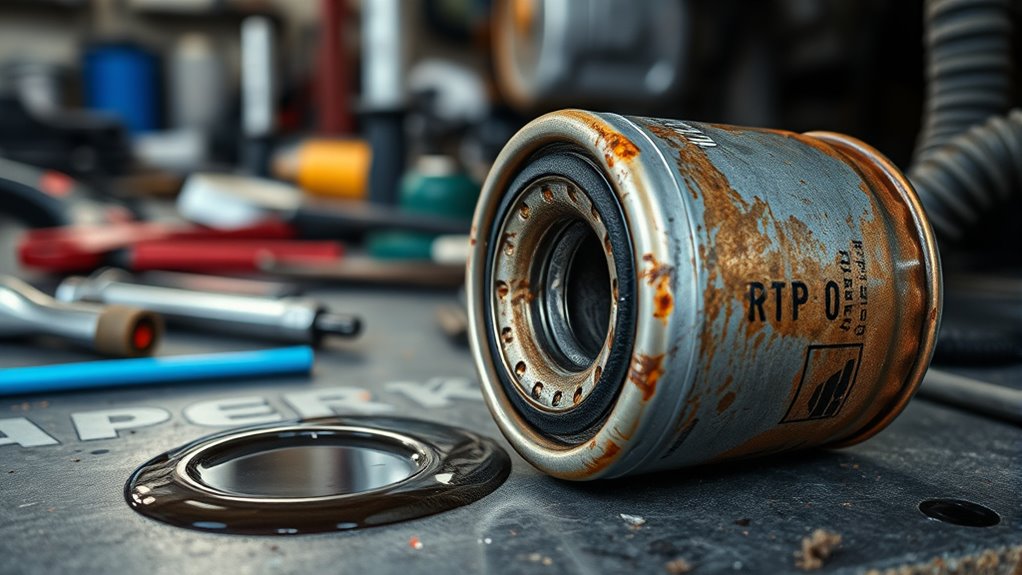

Can You Reuse an Oil Filter
You shouldn’t reuse an oil filter because it risks your engine’s health by letting dirt and debris recirculate, reducing oil flow and causing wear.
Filters trap contaminants to keep your engine lubricated and cool, and reusing one can clog or degrade it, leading to leaks and damage.
It’s best to replace the filter with every oil change.
If you want to understand when reuse might be considered or how to do oil changes right, keep exploring these details.
Key Takeaways
- Reusing oil filters is generally not recommended due to reduced filtration efficiency and potential engine damage.
- Filters can clog with dirt and debris, restricting oil flow and increasing engine wear.
- In emergencies, reuse may be considered if the filter shows no damage and minimal dirt.
- Thorough inspection and cleaning are necessary before reusing an oil filter.
- Best practice is to replace the oil filter with every oil change for optimal engine protection.
How Oil Filters Keep Your Engine Safe
Although you might not give them much thought, oil filters play an essential role in protecting your engine by trapping dirt, metal particles, and other contaminants that could cause damage.
When your engine runs, tiny debris and harmful substances circulate with the oil. The oil filter catches these impurities, preventing them from scratching or wearing down critical engine parts.
Without a properly functioning filter, these contaminants could accumulate and reduce engine efficiency, leading to costly repairs. The filter’s design lets oil flow freely while capturing unwanted particles, ensuring your engine stays lubricated and cool.
Is It Ever Okay to Reuse an Oil Filter?
When should you consider reusing an oil filter, if ever? Generally, reusing an oil filter isn’t recommended because it can compromise your engine’s protection.
However, in rare cases, you might think about it if:
- You’re in an emergency situation with no replacement filter available.
- The filter has been used for a very short time and through minimal mileage.
- You thoroughly inspect and clean the filter, ensuring no damage or clogging.
- You understand the risks of reduced filtration efficiency.
Still, even with these conditions, reusing an oil filter risks contaminants entering your engine. Filters are designed to be replaced to maintain peak performance. It’s safer to install a new one whenever possible. Your engine’s health depends on clean oil and a properly functioning filter.
When to Replace or Reuse Your Oil Filter
How do you know the right time to replace or reuse your oil filter?
Generally, you should replace your oil filter every time you change your oil. This guarantees it effectively traps contaminants and protects your engine.
Reusing an oil filter is rarely recommended because filters get clogged and degrade over time. However, if you’re in an emergency with no replacement available, you might consider reusing it briefly.
Still, inspect the filter carefully: look for damage, excessive dirt, or oil leakage. If it appears compromised, don’t risk it; replace it.
Following your vehicle manufacturer’s maintenance schedule is the safest bet. Regular replacement keeps your engine running smoothly and prevents costly repairs down the line.
Don’t cut corners when it comes to your oil filter.
What Happens When You Reuse an Oil Filter?
Reusing an oil filter might seem like a quick fix, but it can lead to several issues that impact your engine’s health.
When you reuse a filter, you risk clogging it with trapped dirt and debris, which reduces oil flow. This can cause increased engine wear and overheating.
Additionally, the filter’s sealing gasket may degrade, leading to oil leaks. Contaminants left in the filter may also circulate back through the engine, causing damage over time.
Here’s what you might face when reusing an oil filter:
- Reduced filtration efficiency
- Increased risk of engine wear
- Potential oil leaks from worn seals
- Contaminant recirculation causing engine damage
For your engine’s longevity, it’s best to replace the oil filter each time you change your oil.
How to Change Your Oil and Filter Safely
Start by gathering all the necessary tools and supplies to guarantee a smooth oil and filter change.
You’ll need fresh oil, a new filter, a wrench, an oil drain pan, gloves, and some rags.
First, warm up your engine for a few minutes, then turn it off and let it cool slightly.
Place the drain pan under the oil plug and carefully remove it to drain the old oil completely.
Next, use the wrench to remove the old filter, making sure you don’t spill oil.
Before installing the new filter, lightly coat its rubber seal with fresh oil for a better seal.
Screw the new filter in place by hand until snug.
Finally, replace the drain plug, refill the engine with new oil, and check for leaks.
Dispose of old oil responsibly.
Frequently Asked Questions
What Types of Oil Filters Are Best for High-Performance Engines?
You’ll want synthetic media oil filters with high flow rates and enhanced filtration for high-performance engines.
Look for filters rated for extreme pressure and temperature, ensuring they protect your engine during intense driving conditions.
Can Synthetic Oils Affect Oil Filter Lifespan?
Yes, synthetic oils can affect your oil filter’s lifespan because they flow cleaner and last longer.
However, they might cause more contaminants to accumulate faster.
You should check and replace filters regularly to avoid clogging.
How Do Reusable Oil Filters Differ From Disposable Ones?
Reusable oil filters differ by having a durable metal casing and washable filter media, so you can clean and reinstall them.
Disposable filters use paper media and are designed to be replaced after each oil change, saving time but creating waste.
Are There Environmental Benefits to Reusing Oil Filters?
You’ll practically save the planet by reusing oil filters!
It drastically cuts waste and reduces pollution.
Plus, you’re conserving resources and energy used to make new filters, making your choice eco-friendly and impactful.
What Tools Are Needed to Properly Remove an Oil Filter?
You’ll need an oil filter wrench to loosen the filter, a drain pan to catch oil, gloves to protect your hands, and rags for cleanup.
These tools help you remove the filter safely and efficiently.
Conclusion
Think of your oil filter as a sponge catching grime, protecting your engine’s heartbeat.
Reusing it might seem tempting, but over time, that sponge gets clogged, unable to soak up dirt like before.
To keep your engine running smooth and strong, swap out the old filter for a fresh one each oil change.
Picture clean oil flowing freely, giving your engine the care it deserves—because a fresh filter means a happier, healthier ride.