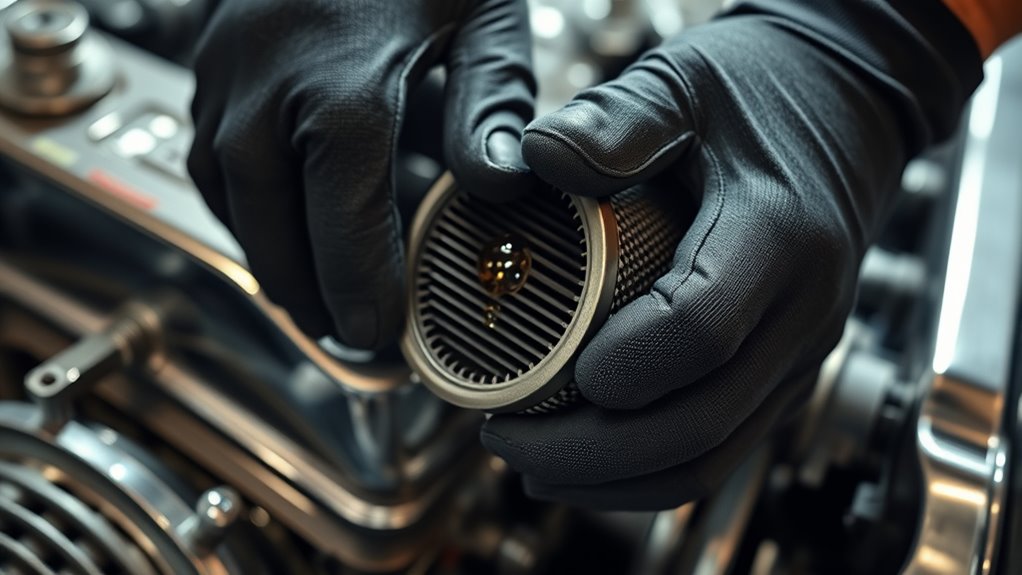

You can change your oil filter without changing the oil, especially if you recently replaced the oil or suspect the filter is clogged.
However, keeping old oil means contaminants stay in your engine, risking wear and reduced performance over time.
A fresh filter alone might cause oil pressure issues and won’t clean existing impurities.
For the best care, consider when and why it might make sense to swap just the filter, and what risks to watch for.
Key Takeaways
- You can change the oil filter without changing the oil, but it is generally not recommended for optimal engine health.
- Changing only the filter leaves old, contaminated oil that may harm engine components and reduce lubrication quality.
- Replacing just the filter is acceptable if the oil was recently changed or if using high-quality synthetic oil.
- A new filter with old oil can cause oil pressure fluctuations and faster clogging of the filter.
- Always consult your vehicle’s manual for specific guidelines on oil and filter change intervals.
Can You Change Your Oil Filter Without Changing the Oil?
Wondering if you can change your oil filter without changing the oil? Yes, you can, but it’s not always the best idea.
The oil filter traps contaminants, and replacing it alone might leave dirt in the old oil, which continues circulating through your engine. If your oil is still relatively clean and you’re between oil changes, swapping just the filter can help improve filtration.
However, if the oil is dirty or overdue for a change, replacing only the filter won’t protect your engine effectively. Some mechanics recommend changing both simultaneously to keep your engine running smoothly.
Signs Your Oil Filter Needs Replacing Early
Although oil filters are designed to last between oil changes, you might need to replace yours early if you notice signs like reduced engine performance, unusual engine noises, or dirty exhaust smoke.
If your engine feels sluggish or struggles to accelerate, clogged filters could be restricting oil flow. Listen closely for knocking or ticking sounds; these often indicate insufficient lubrication caused by a dirty filter.
Also, check your exhaust—black or gray smoke can signal contaminants aren’t being properly filtered. Another sign is an illuminated oil warning light, which often means the oil pressure is low due to a clogged filter.
If you spot any of these symptoms, don’t wait. Replacing the oil filter promptly helps protect your engine and maintain its reliability.
When Is It Okay to Replace Just the Oil Filter?
How often can you change just the oil filter without replacing the oil?
Generally, it’s okay if you’ve recently changed the oil but noticed the filter is dirty or clogged.
For instance, if you’ve done an oil change within the last few hundred miles and spot a damaged or heavily soiled filter, swapping it out alone can help maintain engine health.
Also, if you’re using high-quality synthetic oil that lasts longer, you might replace the filter mid-cycle to guarantee ideal filtration.
However, always check your vehicle’s manual; some manufacturers recommend changing both together.
To summarize, replacing only the oil filter is acceptable when the oil is still in good condition and you want to address filter issues promptly without a full oil change.
Risks of Changing the Oil Filter Without Changing the Oil
While changing just the oil filter might seem like a quick fix, it can introduce risks if the existing oil is already contaminated or degraded.
When you replace the filter but leave old oil in the engine, contaminants and sludge remain in the system, reducing lubrication quality.
This can accelerate engine wear and lead to overheating. Also, the fresh filter may cause oil pressure fluctuations, potentially damaging sensitive engine components.
If the old oil has broken down, it won’t protect moving parts effectively, increasing the chance of engine damage.
Skipping a full oil change can also cause deposits to clog the new filter faster, negating its benefits.
To keep your engine healthy, it’s usually best to change both oil and filter together.
How to Change an Oil Filter Without Draining Oil
If you want to replace your oil filter without draining the oil, you’ll need to take specific steps to minimize mess and guarantee the process goes smoothly.
First, warm up the engine slightly to thin the oil, making it easier to flow. Then, position a catch pan under the filter to catch any drips.
Use an oil filter wrench to carefully loosen and remove the old filter. Before installing the new filter, apply a thin layer of fresh oil to its gasket to assure a tight seal.
Finally, screw the new filter on by hand, avoiding overtightening.
| Step | Action |
|---|---|
| Warm Engine | Run engine briefly to thin oil |
| Catch Drips | Place pan under filter |
| Replace Filter | Remove old, lubricate, install |
How a Clogged Oil Filter Affects Engine Performance
When your oil filter clogs, it restricts oil flow, causing your engine to work harder and wear down faster.
You might notice reduced performance or unusual noises as the engine struggles without proper lubrication.
Keeping the filter clean helps protect your engine and maintain smooth operation.
Engine Wear Risks
Because a clogged oil filter restricts the flow of oil, your engine doesn’t get the lubrication it needs to run smoothly.
Without proper lubrication, metal components inside the engine rub against each other, causing increased friction and heat.
This accelerates wear on critical parts like bearings, camshafts, and pistons.
Over time, you’ll notice reduced engine efficiency and potentially costly damage.
The constant metal-to-metal contact can lead to scoring, pitting, and premature failure of engine parts.
If left unchecked, this wear can shorten your engine’s lifespan considerably.
To protect your engine, it’s essential to replace a clogged oil filter promptly, ensuring clean oil circulates freely and keeps everything moving smoothly.
Neglecting this simple step puts your engine’s health at serious risk.
Oil Flow Restriction
A clogged oil filter doesn’t just increase engine wear; it directly restricts the flow of oil throughout your engine. When oil can’t circulate freely, essential engine parts don’t get the lubrication they need. This leads to increased friction, overheating, and ultimately, reduced engine performance.
You might notice rough idling, decreased power, or strange noises. To help you understand, here’s a quick overview:
| Symptom | Cause | Effect on Engine |
|---|---|---|
| Reduced oil flow | Filter blockage | Poor lubrication |
| Overheating | Insufficient cooling | Component damage |
| Engine noise | Metal-on-metal contact | Accelerated wear |
| Power loss | Inefficient operation | Lower fuel economy |
Changing your oil filter regularly keeps oil flowing smoothly, protecting your engine’s health and performance.
Essential Tools and Tips for Changing Only the Oil Filter
To change just the oil filter, you’ll need a few essential tools like a filter wrench and a drain pan.
Follow a clear step-by-step process to remove the old filter without spilling oil.
Don’t forget to check safety precautions to protect yourself and keep your workspace clean.
Required Tools Overview
Changing only the oil filter requires specific tools to make the process smooth and efficient.
First, you’ll need the right oil filter wrench. It fits snugly around the filter, helping you loosen or tighten it without damage.
A clean rag or shop towel is crucial to wipe away any residual oil and keep the area tidy.
You’ll also want a drain pan handy to catch any drips when removing the filter.
Gloves protect your hands from grime and hot surfaces.
Finally, having a torque wrench ready guarantees you tighten the new filter to the manufacturer’s specifications, avoiding over-tightening.
Gathering these tools before you begin saves time and prevents frustration during your oil filter change.
Step-by-Step Filter Removal
Although it might seem straightforward, removing the oil filter without draining the oil requires careful steps to avoid spills and guarantee a proper seal with the new filter.
First, warm up the engine briefly to thin the oil, making removal easier. Next, position an oil catch pan beneath the filter to catch any drips.
Use an oil filter wrench to loosen the filter by turning it counterclockwise. Once loose, unscrew it by hand carefully, keeping it upright to minimize oil leakage.
Before installing the new filter, clean the mounting surface to remove old gasket material and debris. Finally, lightly coat the new filter’s rubber gasket with fresh oil to assure a tight seal when you screw it on by hand until snug.
Safety Precautions Checklist
After carefully removing the old oil filter and preparing the mounting surface, you’ll want to follow a safety precautions checklist to keep the process clean and safe.
First, always wear gloves to protect your hands from hot oil and sharp edges. Have a drip pan ready to catch any residual oil that might spill when removing the filter.
Use the correct oil filter wrench to avoid slipping and damaging the filter or your hands. Verify the engine is cool before starting to prevent burns.
Keep a clean rag handy to wipe spills immediately. Finally, double-check that the replacement filter is the right model and properly lubricated with fresh oil on its gasket before installation.
These steps will help you complete the job efficiently and safely.
How Often Should You Change the Oil Filter Compared to the Oil?
When should you change your oil filter compared to your oil? Typically, you should replace the oil filter every time you change your oil.
The filter traps contaminants and debris, so keeping it fresh guarantees your engine stays clean and runs smoothly. If you change the oil but leave the old filter in, it can’t effectively capture new impurities, potentially harming your engine.
Some manufacturers suggest changing the filter less frequently, but sticking to changing both together is a safer bet. If you’re unsure, check your vehicle’s owner manual for specific recommendations.
In short, to maintain ideal engine performance and longevity, replace the oil filter with every oil change. You’ll save yourself from future costly repairs and keep your car running efficiently.
Debunking Common Oil Filter and Oil Change Myths
Many drivers believe that changing just the oil or only the filter is enough to keep their engine healthy, but that’s not true. Both parts work together to protect your engine. Here are some common myths and the facts you should know:
| Myth | Reality |
|---|---|
| Oil filter changes without oil | Won’t remove old contaminants, reducing effectiveness |
| Frequent oil changes damage engine | Regular changes prevent wear and extend engine life |
| Synthetic oil doesn’t need filters | Filters are still essential regardless of oil type |
| Only change oil when it’s dirty | Scheduled changes prevent buildup and engine damage |
| Oil filter is optional | Skipping it risks engine clogging and severe damage |
Don’t fall for these myths; changing both oil and filter together keeps your engine running smoothly.
Final Advice on Changing Oil Filters Without Changing Oil
You should only change your oil filter without changing the oil in specific situations, like during a mid-interval filter replacement.
Keep in mind that skipping an oil change while replacing the filter can increase engine wear and reduce performance. Always weigh the risks before deciding to change the filter alone.
When To Change Filters
Although it might seem unusual to change your oil filter without replacing the oil itself, doing so can be beneficial under certain circumstances.
You should consider changing the filter if it’s clogged or damaged, which can happen even if the oil is still clean. Also, if you’ve performed a partial oil top-up or changed the oil recently but suspect the filter’s efficiency has dropped, replacing the filter alone can help maintain engine health.
Pay attention to manufacturer recommendations and your vehicle’s maintenance schedule; some suggest changing the filter every other oil change.
Ultimately, changing filters when you notice reduced engine performance, unusual noises, or after extended driving in harsh conditions guarantees your engine stays protected without necessarily changing the oil each time.
Risks Of Skipping Oil
Even if the oil filter looks clogged, skipping an oil change can harm your engine’s performance and longevity.
When you change only the filter without replacing old oil, contaminants trapped in the used oil stay inside your engine, increasing wear and tear.
Over time, dirty oil thickens, reducing lubrication and causing overheating. This leads to decreased fuel efficiency and, ultimately, expensive engine repairs.
You might save time initially, but neglecting oil changes compromises engine health and voids warranties.
To keep your vehicle running smoothly, always change both oil and filter together as recommended in your owner’s manual.
Don’t risk costly damage by cutting corners. Proper maintenance guarantees your engine stays clean, cool, and efficient, extending its life and saving you money in the long run.
Frequently Asked Questions
What Types of Oil Filters Are Compatible With My Vehicle?
You’ll want to check your vehicle’s manual or manufacturer’s website to find compatible oil filters.
Look for the right size, thread type, and filtration rating to guarantee a proper fit and ideal engine protection.
Can a DIY Oil Filter Change Void My Car Warranty?
Changing your oil filter yourself is like walking a tightrope. If you do it right, it won’t void your warranty.
Just make sure you follow manufacturer guidelines and keep records to protect your coverage.
How Do I Properly Dispose of Used Oil Filters?
You should drain the used oil filter completely, then place it in a sealed container or bag.
Take it to a recycling center or automotive shop that accepts used filters to guarantee proper disposal and environmental safety.
What’s the Difference Between Synthetic and Conventional Oil Filters?
You’ll find synthetic oil filters use advanced materials for better filtration and durability, while conventional filters rely on standard media.
Synthetic filters handle contaminants more efficiently and last longer, giving your engine superior protection and performance.
Are There Any Environmental Benefits to Changing Only the Oil Filter?
Changing only the oil filter is like planting a single tree. It helps reduce waste by limiting used oil disposal.
You’ll cut down on environmental impact, but the full benefits come when you change both regularly for ideal engine care.
Conclusion
You can change your oil filter without swapping the oil, but it’s not always the best move.
Did you know that about 15% of engine wear happens due to dirty oil and filters?
That’s why most experts recommend changing both together to keep your engine running smoothly.
If you do replace just the filter, make sure you’re following your car’s specific guidelines.
Staying on top of both will save you time and money down the road.
In conclusion, you can change oil filter without changing oil, but it’s advisable to consider both for optimal engine health.