Top 10 Best Car Backup Camera Picks That Shine
As an Amazon Associate we earn from qualifying purchases.
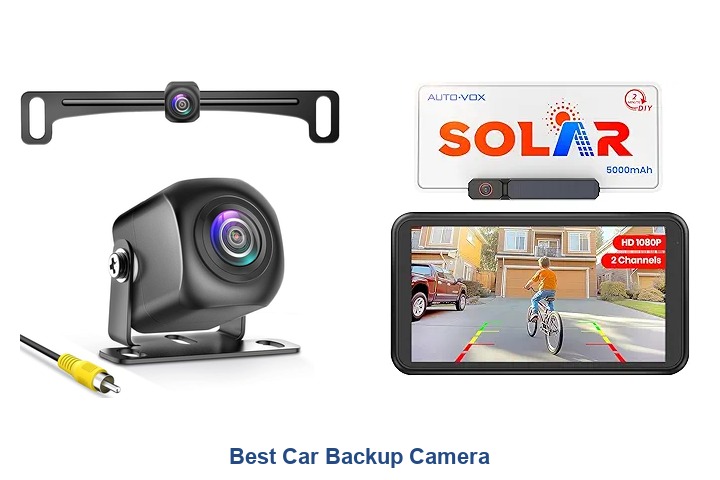
The best car backup camera has become a key part of modern vehicle safety, transforming the limited view behind a vehicle into useful visual information. As rear visibility challenges affect crowded driveways, tight parking spaces, and larger vehicles, camera design now extends beyond basic video transmission. A top-rated car rearview camera may combine high-definition imaging, night vision, a wide-angle lens, and responsive parking guidelines, while a reliable vehicle backup camera must withstand vibration, weather, and changing light.
These details influence installation complexity, screen clarity, viewing distance, and long-term confidence behind the wheel. Wireless systems, waterproof housing, and low-latency displays also reveal how quickly this category is evolving.
Understanding which features matter most can prevent a mismatch between impressive specifications and real-world usability. Continue reading to uncover the technologies and buying considerations that separate promising models from truly dependable choices.
best car backup camera: Top Picks for Clearer Views
| Image | Product | Buy |
|---|---|---|
Top Picks- 1  | Backup Camera,AHD 1080P Metal 170 Degree Wide Angle Rearview Reversing Best for: Wide-angle visibility | Check Price On Amazon |
Top Picks- 2  | AUTO-VOX Solar Wireless Backup Camera: 5″ 1080P Monitor, 2 Min Best for: Wireless solar setups | Check Price On Amazon |
Top Picks- 3  | 15-Minute Easy to Install Backup Camera: Plug-Play 15FT Clear Night Best for: DIY installers | Check Price On Amazon |
Top Picks- 4  | WOLFBOX G840S 12″ 4K Mirror Dash Cam Backup Camera with Best for: Large-screen drivers | Check Price On Amazon |
Top Picks- 5  | Backup/Front View Camera,IP69K Waterproof Great Night Vision HD and Super Best for: All-weather visibility | Check Price On Amazon |
1. Backup Camera,AHD 1080P Metal 170 Degree Wide Angle Rearview Reversing
Best for: Wide-angle clarity seekers.
Metal construction and 1080p AHD video give the PixelMan PMD2A-S a durable camera body and high-definition reversing image. Its 170-degree viewing angle shows more of the area behind the vehicle, helping drivers line up in tight spaces while the Japan-made reversing chip manages bright and dark lighting conditions.
The 1/2.7-inch CMOS sensor produces 2,073,600 effective pixels, giving the RCA-connected display a detailed 1080p feed. A 12-volt power requirement suits standard vehicle wiring, while the 170-degree field of view expands the rear perspective. This is a camera-only option for buyers who already have a compatible RCA screen.
Pros
- 1080p AHD video provides detailed rear images
- 170-degree lens widens the reversing view
- 1/2.7-inch CMOS sensor supports image capture
- Metal construction adds physical protection
Cons
- RCA connectivity requires an existing compatible screen
Choose it for a car owner upgrading an RCA-based system with 1080p video and a broad 170-degree rear view. It suits drivers who want a camera-only replacement rather than a bundled monitor.
2. AUTO-VOX Solar Wireless Backup Camera: 5″ 1080P Monitor, 2 Min
Best for: Fast wireless installations.
A solar-powered wireless camera and 5-inch 1080p monitor let AUTO-VOX buyers add rear visibility without running video wiring or drilling holes. The stated 2-minute installation uses a screwdriver or included 3M adhesive, while anti-theft screws secure the license-plate-mounted camera for cars, SUVs, trailers, trucks, and vans.
The 130-degree wide-angle camera sends 1080p video to an LCD display, giving the driver a dedicated view while reversing. A built-in digital receiver uses frequency-hopping wireless transmission for the camera link, and the system operates with 12-volt vehicles. The camera uses a CMOS sensor and car-charger connection for practical vehicle installation.
Pros
- Solar power reduces reliance on a wired camera feed
- 5-inch LCD monitor provides a dedicated viewing screen
- 1080p capture supplies high-definition reversing video
- 2-minute installation avoids drilling and car-light wiring
Cons
- The 130-degree viewing angle is narrower than 170-degree camera options
It fits owners of trailers, trucks, or daily drivers who want a quick wireless backup-camera installation. Pick it when avoiding cable routing matters more than having the widest available viewing angle.
3. 15-Minute Easy to Install Backup Camera: Plug-Play 15FT Clear Night
Best for: Simple plug-and-play buyers.
A 15-minute installation and included 3.0mm pure-copper 4-pin cable make this system practical for drivers who want a working backup camera without complex wiring. The 4.3-inch monitor connects through the supplied cable, then plugs into the cigarette lighter for a straightforward reversing setup.
The camera records 1080p video through a CMOS sensor and covers a 149-degree real-angle view. Drivers can use the cigarette-lighter connection for plug-and-play operation or connect the camera to reversing lights for automatic image triggering. RCA connectivity and 12-volt operation keep the system suited to compatible monitor and vehicle wiring.
Pros
- 15-minute installation reduces setup time
- 3.0mm pure-copper cable supports the camera connection
- 4.3-inch LCD monitor supplies an included viewing screen
- 149-degree wide-angle view covers a broad rear area
Cons
- The 4.3-inch monitor offers a smaller display than 5-inch, 6-inch, or 7-inch systems
This is a good match for a driver who wants an inexpensive-feeling installation process with a monitor included. It works best when cigarette-lighter power or reversing-light wiring is accessible.
4. WOLFBOX G840S 12″ 4K Mirror Dash Cam Backup Camera with
Best for: Large-screen dash camera users.
A 12-inch mirror-mounted display gives the WOLFBOX G840S 1.5 times the viewing area of a standard mirror, making rear scenes easier to monitor across a broad screen. Its front camera records 4K UHD at 2160p, while the included rear camera supplies 1080p backup video for reversing assistance.
The 170-degree field of view helps reduce blind areas, and the touch LCD puts camera controls on the large built-in display. Built-in GPS can show real-time location data when the external GPS antenna is connected, while Wi-Fi links the unit to the WOLFBOX app. Parking monitoring, night vision, loop recording, and a G-sensor add dedicated dash-camera functions.
Pros
- 12-inch LCD provides 1.5 times standard-mirror viewing area
- 2160p front capture records 4K UHD detail
- 1080p rear camera supports high-definition reversing
- Built-in GPS displays real-time vehicle data
Cons
- The single available memory-card slot limits expansion to one card location
Choose it for drivers who want a backup camera combined with a large digital mirror and dash recorder. It is especially suitable for cars, buses, minivans, and trucks where a broad 12-inch display is useful.
5. Backup/Front View Camera,IP69K Waterproof Great Night Vision HD and Super
Best for: Weather-exposed RCA installations.
IP69K waterproof sealing and fully filled glue construction protect this camera against water, fog, and mist entering the housing. The camera also combines a 160-degree real viewing angle with a 0.01-lux rating, giving RCA-equipped vehicles a broad rear perspective for low-light parking and reversing.
A 1/2.7-inch CMOS sensor captures 720p video, while the listed 600TVL HD image specification supports a defined analog feed. The camera runs on 12 volts and connects through RCA, with compatibility listed for Pioneer, Kenwood, Alpine, Sony, JVC, Boss, Dynavin, ATOTO, and other RCA-equipped head units. Its wide-angle field is listed at 170 degrees.
Pros
- IP69K sealing protects against demanding water exposure
- Glue-filled housing blocks internal fog and mist
- 0.01-lux rating supports low-light visibility
- 160-degree real angle expands the rear view
Cons
- A suitable installation harness must be ordered separately for factory-radio connections
It suits owners replacing an exposed rear camera on an RCA-compatible head unit. Select it when sealed waterproof construction and low-light performance matter more than 1080p resolution.
6. 1080P HD Wireless Backup Camera: 1 Minute Magnetic Easy Install

Best for: Magnetic truck and trailer setups.
Six third-generation rare-earth NdFeB magnets let this wireless camera attach to a truck, trailer, camper, or small RV in about one minute. The soft rubber-coated base protects vehicle paint, while the 7-inch monitor displays 1080p video across a 170-degree wide-angle view without permanent camera mounting.
The 1/3-inch CMOS sensor supplies 1080p capture, and the system uses a USB connector for its video connection. The magnetic base remains specified for temperatures from -452°F to 1166°F without demagnetizing, giving temporary installations a broad stated operating range. MP4 capture format adds a defined recording format for the wireless system.
Pros
- Six NdFeB magnets enable one-minute attachment
- Rubber-coated base helps protect vehicle paint
- 7-inch LCD monitor gives a large viewing area
- 170-degree lens covers a broad rear perspective
Cons
- USB connectivity may not match vehicles or displays that require RCA input
Pick it for truck, trailer, camper, and small-RV owners who need removable camera placement. It is most useful when a permanent drilled or wired installation is undesirable.
7. HD Backup Camera License Plate Rear View Camera for Car

Best for: RCA license-plate replacements.
A 1/2.7-inch CMOS sensor and 1080p video make this wired PixelMan license-plate camera a direct high-definition upgrade for an RCA-equipped car screen. Its fisheye lens covers 170 degrees, giving drivers a wide rear view for reversing while the 12-volt connection fits standard vehicle power systems.
The camera uses an RCA connector and is specifically compatible with a car screen featuring an RCA interface, keeping the installation focused on replacing the camera rather than adding a monitor. The 170-degree real angle of view expands coverage behind the vehicle, while LED display technology identifies the supported screen type in the listed specifications.
Pros
- 1080p video provides high-definition rear imagery
- 1/2.7-inch CMOS sensor captures the camera feed
- 170-degree fisheye lens widens rear coverage
- RCA connector matches compatible car screens
Cons
- The wired design requires routing a video cable through the vehicle
This camera fits drivers who already have an RCA car display and need a license-plate-mounted replacement. Choose it for a wide 170-degree view without purchasing a separate monitor.
8. Pioneer ND-BC011 Rear View Backup Camera with Selectable Front View

Best for: Compact Pioneer system upgrades.
Pioneer’s ND-BC011 measures 0.9 by 0.9 by 0.9 inches and weighs 6.4 ounces, allowing a small camera installation with minimal added bulk. Its selectable front-view function adds placement flexibility, while the 155-degree horizontal and 125-degree vertical angles show substantial space around the vehicle.
The camera captures 472,000 pixels for a detailed rear image and operates on 12 volts of direct current. A 155-degree horizontal view helps reveal side areas during reversing, while the 125-degree vertical view shows more height around the bumper and ground. The compact dimensions suit installations where a larger camera housing would be intrusive.
Pros
- 0.9-inch dimensions support a compact camera installation
- 6.4-ounce weight keeps the mounted unit light
- 155-degree horizontal angle broadens side coverage
- 125-degree vertical angle expands up-and-down visibility
Cons
- The 12-volt direct-current requirement calls for a compatible vehicle power connection
It is a sensible choice for Pioneer-system owners who prioritize a small camera body and selectable front or rear use. The broad horizontal and vertical angles suit tight parking spaces and front-view mounting.
9. ERT01 HD Backup Camera Rear View License Plate Reverse Camera

Best for: CVBS-compatible older vehicles.
CVBS-only compatibility makes the eRapta ERT01 a focused choice for cars, pickups, SUVs, minivans, and sedans that accept analog composite video. Its 148-degree wide-angle lens and 720p capture provide a broad reversing view, while the RCA connector supports compatible existing video systems.
The 1/3-inch CMOS sensor feeds a 9.15-inch LED display specification, and the camera operates at 24 volts according to the listed data. A 0.1-lux rating identifies its low-light sensitivity, while the 148-degree field of view covers substantial space behind the vehicle. Buyers must verify that the vehicle supports CVBS before installation.
Pros
- 148-degree lens provides broad rear visibility
- 720p video supplies a defined analog image
- 1/3-inch CMOS sensor captures the reversing feed
- RCA connector supports compatible composite-video systems
Cons
- CVBS-only compatibility excludes vehicles using other video signal types
Choose it for an older or replacement vehicle with confirmed CVBS video support. It fits buyers who need a broad-angle license-plate camera and already use compatible RCA equipment.
10. AUTO-VOX 6 Inch Solar Backup Camera Wireless, 1 Minute Easy

Best for: Large solar wireless displays.
A 6-inch 16:9 widescreen monitor gives AUTO-VOX users a larger viewing area than a 5-inch system while keeping the dashboard relatively compact. The solar wireless camera installs in about one minute, and its dual antennas strengthen the connection between the camera and display during reversing.
The 1080p camera uses a 1/3-inch CMOS infrared sensor and covers a 130-degree real angle of view. A 12-volt vehicle system powers the setup through car-adapter or USB connections, while the wide fixed lens supports rear visibility. Compatibility includes cars, SUVs, trailers, trucks, and vans, giving the wireless package broad vehicle coverage.
Pros
- 6-inch 16:9 monitor provides comfortable widescreen viewing
- Dual antennas support stronger wireless signal reception
- 1080p capture delivers high-definition reversing video
- One-minute installation minimizes setup time
Cons
- The 130-degree real viewing angle is narrower than 170-degree alternatives
This system suits drivers who want a solar wireless camera with more screen area than a 5-inch monitor. It is a practical match for cars, trucks, trailers, and vans where quick installation and dual-antenna reception are priorities.
How to Choose the Best Car Backup Camera
Image quality and viewing angle
Choose 1080p for the clearest view of children, curbs, and small obstacles, especially on a larger screen; 720p is sufficient for a compact car and a short viewing distance, but it shows less detail. Select a camera with at least a 150-degree diagonal viewing angle to cover the area close to the bumper without creating excessive fisheye distortion. Wide dynamic range is essential for balancing bright sunlight with shaded driveways.
Adjustable parking guidelines are preferable because they can match your vehicle’s width and trajectory, while fixed lines suit simple installations. Pick 1080p with 150-degree coverage, wide dynamic range, and adjustable guides for the best all-around view; choose 720p with fixed lines only for a small car and basic reversing needs.
Installation and vehicle compatibility
Start by confirming that the camera accepts your vehicle’s reverse-light voltage, normally a 12-volt circuit, and that its trigger wire connects cleanly to the reverse lamp. Measure the license-plate recess, hatch trim, bumper, or tailgate before selecting a mounting style; a plate-frame camera avoids drilling, while a surface mount offers more positioning control but often needs holes and trim removal. Plan cable length carefully: 20 feet suits many cars, while SUVs, vans, pickups, and extended vehicles need roughly 25 to 33 feet.
Choose a license-plate camera for quick installation, or a surface-mounted wired unit with a long harness when placement and coverage matter more than convenience.
Wired, wireless, and display connections
Choose a wired camera when consistent video matters most, especially in trucks, vans, or vehicles with long cable runs; a wireless transmitter simplifies installation but introduces range and interference concerns. Confirm that the camera’s video output matches the dashboard display, such as RCA or a compatible digital input, or select a package with an included monitor. Wireless systems need a clear operating range of at least 30 feet and strong shielding from Bluetooth, Wi-Fi, and vehicle electronics.
Automatic reverse switching should activate the image as soon as reverse gear engages. Pick a wired camera for dependable performance with an existing display, and choose a wireless kit with its own monitor for easier installation.
Night vision and weather protection
For dark driveways and unlit streets, choose a camera with infrared LEDs or strong low-light sensitivity, while avoiding excessive infrared glare that washes out nearby details. An IP67 rating handles rain and road spray; IP68 provides stronger protection for frequent snow, deep splashes, and automatic car washes. Check an operating range of about -20 to 70 degrees Celsius for dependable seasonal use.
A recessed, hydrophobic lens cover resists dirt and water, while an anti-glare shield reduces headlight flare and a sealed lens limits internal fogging. Pick an IP68 camera with infrared illumination and a protected anti-glare lens for harsh climates; select IP67 for moderate weather and covered parking.
Safety features and longterm value
Match the guideline scale to your vehicle rather than accepting generic markings: a wide pickup or van needs adjustable lines that reflect its actual bumper width and turning path. Camera-based obstacle visibility should remain clear beside and below the bumper, while parking-sensor compatibility adds audible distance alerts when the vehicle supports it. Review at least a one-year warranty, accessible replacement cables or cameras, and included brackets, trigger wires, and mounting hardware.
Judge long-term value by combining image quality with corrosion resistance and the amount of trim work required. Pick an adjustable-guideline camera with sensor compatibility and strong support for larger vehicles; choose a simpler fixed-line kit for compact cars and easy installations.
Which Should You Choose?
- If you want a no-wiring installation and can mount the camera where it receives sunlight, choose a solar-powered wireless camera with a 5- or 6-inch monitor.
- If you want the fastest setup for a standard vehicle, choose a plug-and-play wired kit with a 15-foot cable and clear night vision.
- If you drive a truck or need to move the camera between vehicles, choose a 1080p wireless camera with a magnetic mount.
- If maximum detail and the largest viewing area matter most, choose a mirror-style system with a 12-inch display, 4K front video, and 1080p rear video.
Quick Best Car Backup Camera Buying Checklist
- Confirm compatibility: Check the camera’s power needs, connector type, and display requirements before ordering.
- Measure the installation path: Ensure the included cable reaches from the rear mounting point to the dashboard.
- Prioritize clear images: Choose suitable resolution, wide dynamic range, and a viewing angle that covers the bumper area.
- Check night performance: Look for dependable low-light visibility, infrared assistance, or glare reduction.
- Verify weather resistance: Select a camera with protection against rain, snow, dust, and routine washing.
- Review installation demands: Determine whether the setup requires drilling, trim removal, reverse-light wiring, or professional help.
Frequently Asked Questions
What Resolution Should The Best Car Backup Camera Have?
The best car backup camera resolution depends on vehicle size and viewing distance, but 1080p usually provides sharper detail than 720p for identifying curbs, posts, and pedestrians. Wide dynamic range matters equally because it preserves useful image detail when bright sunlight and deep shadows appear together behind the vehicle.
Is A Wired Or Wireless Best Car Backup Camera Better?
A wired best car backup camera generally provides the most consistent video signal, while a wireless design can simplify installation by reducing cable routing. Wired systems suit long vehicles and interference-prone areas, whereas wireless models work well when convenience matters more than minimizing possible transmission interruptions.
Does The Best Car Backup Camera Need Night Vision?
The best car backup camera benefits from capable night vision because reversing often happens in unlit driveways, garages, and streets. Infrared illumination or a sensitive low-light sensor can reveal nearby obstacles, but performance also depends on a clean lens, controlled glare, and adequate reverse-light output.
What Waterproof Rating Should A Best Car Backup Camera Have?
A best car backup camera should have an IP67 or higher waterproof rating for dependable exposure to rain, road spray, dust, and routine washing. The rating indicates protection for the camera housing, but sealed cable connections and correct mounting remain essential because poorly protected wiring can still cause failures.
Are Parking Guidelines Important On The Best Car Backup Camera?
Parking guidelines are useful on the best car backup camera because they help drivers estimate vehicle path and distance while reversing. Adjustable lines are preferable when available, since they can align with the vehicle’s width and steering behavior; fixed lines may be less accurate after angled mounting.
Final Suggestions
Choosing the best car backup camera can improve rear visibility, simplify parking, and make tight maneuvering more confident. Resolution, night performance, weather resistance, connection stability, and accurate guidelines all contribute to dependable everyday use across cars, trucks, vans, and SUVs. Select a model that matches your vehicle and installation skills, then use its wider view to reverse with greater awareness and control.