Top 10 Best Alloy Wheel Paint That Actually Lasts
As an Amazon Associate we earn from qualifying purchases.
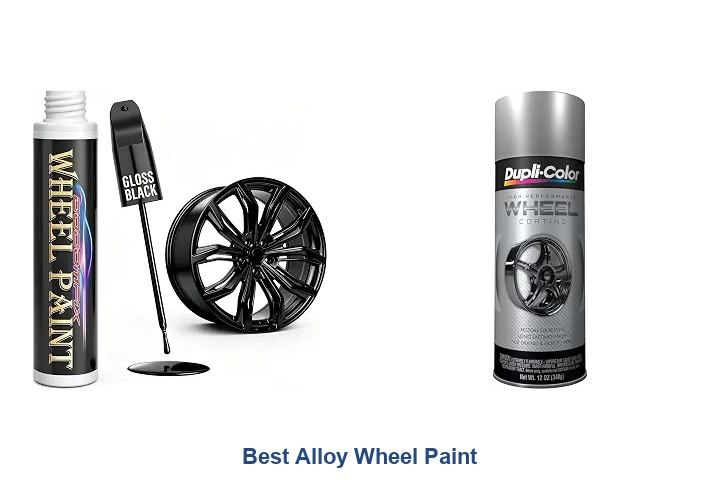
Best alloy wheel paint has evolved beyond simple color; modern formulations combine polymer chemistry, heat tolerance, and strong adhesion to withstand brake dust, road salt, moisture, and daily abrasion. Yet choosing an alloy rim paint involves more than matching a shade. Surface compatibility, curing behavior, finish durability, and application control can determine whether a refreshed wheel looks professional or exposes flaws beneath the surface.
Ceramic additives, corrosion-resistant pigments, and flexible binders are reshaping what drivers expect from a wheel coating, while spray and brush formats suit different restoration projects. This guide examines the best alloy wheel paint options through the features that matter most, revealing the subtle differences behind performance, appearance, and long-term value.
Continue reading to see which innovations deserve closer attention.
best alloy wheel paint: Top Picks
| Image | Product | Buy |
|---|---|---|
Top Picks- 1  | cocomfix Gloss Black Rim Touch Up Paint, Wheel Scratch Repair Best for: Gloss black touch-ups | Check Price On Amazon |
Top Picks- 2  | Dupli-Color HWP101 High Performance Wheel Paint – Silver – 12 Best for: Silver wheel refinishing | Check Price On Amazon |
Top Picks- 3  | NADAMOO Aluminum Wheel Spray Paint, Semi-gloss Aerosol Car Rim Paint Best for: Semi-gloss aluminum wheels | Check Price On Amazon |
Top Picks- 4  | SprayMax 1K Wheel Paint Silver | Professional Argent Silver Wheel Best for: Professional silver refinishing | Check Price On Amazon |
Top Picks- 5  | Rust-Oleum High Performance Wheel Spray Paint, Metallic Steel | Resists Best for: Metallic steel wheel protection | Check Price On Amazon |
1. cocomfix Gloss Black Rim Touch Up Paint, Wheel Scratch Repair
Best for: Best for glossy black spot repairs.
A pen-shaped enamel applicator with an included brush handles small scratches, dents, scuffs, curb rash, and corrosion marks without requiring a full wheel respray. Its gloss-black color targets matching black alloy rims, spokes, and hubs, while the 0.5-hour dry time helps return a damaged area to service quickly.
Model TPK-010 uses an enamel formula for metal surfaces and is intended for outdoor rim touch-ups. The single included brush gives you a focused application method for localized damage, while the pen container limits paint to the repair zone. Its stated coverage centers on small scratches, dents, and surface damage rather than broad refinishing.
Pros
- Enamel paint adheres to metal wheel surfaces
- Gloss-black finish targets black rims, spokes, and hubs
- Included brush supports focused touch-up work
- 0.5-hour dry time shortens the repair wait
Cons
- Single-brush pen coverage is intended for small damage, not complete wheel refinishing
Choose it for black alloy wheels with isolated curb rash, scuffs, or corrosion marks. It suits drivers who want a compact brush applicator for quick outdoor touch-ups rather than an aerosol system.
2. Dupli-Color HWP101 High Performance Wheel Paint – Silver – 12
Best for: Best for broad silver wheel coverage.
A 12-square-foot-per-coat aerosol gives Dupli-Color’s silver acrylic enamel enough stated coverage for larger wheel-refinishing jobs than a pinpoint repair pen. The spray format reaches steel, aluminum, and plastic wheels or wheel coverings, while its fast-drying formula helps restore a consistent exterior finish across multiple surfaces.
HWP101 uses an easy-to-use spray nozzle and has a listed 1-hour dry and full-cure time. Its advanced acrylic enamel finish is specified to resist brake dust, chemicals, cleaning solvents, heat, and chipping, giving exterior wheel work protection against several common automotive exposures. The 11-ounce aerosol item is suited to broader coating work than a small applicator.
Pros
- 12-square-foot coverage per coat supports larger refinishing areas
- Acrylic enamel formula adheres to steel, aluminum, and plastic
- Spray nozzle distributes paint across wheel surfaces
- Resistance to brake dust and chemicals protects the finish
Cons
- The listed 1-hour full-cure time requires a curing wait before the wheel receives normal use
Pick HWP101 for a silver wheel restoration involving broad surfaces or several compatible wheel materials. It is a practical match for SUV, truck, and passenger-car owners who need aerosol coverage with resistance to automotive cleaners and brake dust.
3. NADAMOO Aluminum Wheel Spray Paint, Semi-gloss Aerosol Car Rim Paint
Best for: Best for semi-gloss aluminum recoloring.
NADAMOO’s modified-acrylic aerosol produces a semi-gloss finish on aluminum and steel wheels, plus plastic hubcaps, so one can supports recoloring across common wheel materials. Its 30-minute touch-dry time helps DIY users move through a wheel project promptly, while the spray format covers larger areas than a touch-up pen.
The can lists coverage of 10-12 square feet, giving buyers a defined area for planning coats and wheel sections. Weathering resistance addresses acids, alkali corrosion, salts, moisture, and UV aging, while the aluminum-wheel specification keeps the product relevant to alloy-rim restoration. The same formula is also listed for plastic bumpers and mirrors.
Pros
- 10-12-square-foot coverage supports planned wheel-area application
- Modified acrylic formula suits aluminum and steel wheels
- Semi-gloss finish gives recolored rims a defined sheen
- 30-minute touch-dry time speeds handling between stages
Cons
- The semi-gloss finish may not match buyers seeking a full gloss or flat wheel appearance
Use NADAMOO when aluminum alloy wheels need broad recoloring in a semi-gloss style. It fits outdoor DIY projects where exposure to moisture, salts, corrosion, and UV aging is part of the buying decision.
4. SprayMax 1K Wheel Paint Silver | Professional Argent Silver Wheel
Best for: Best for OEM-style silver restoration.
SprayMax 1K Wheel Paint delivers a bright, even argent-silver finish for steel or aluminum rims, giving restorers a factory-style appearance in an aerosol format. Its wheel-specific positioning covers new or used wheels on cars, trucks, and motorcycles, making it a focused option for complete silver refinishing rather than tiny scratch concealment.
The 1K spray formula is intended for metal and requires properly cleaned, sanded, and primed surfaces for excellent adhesion. Its named silver-wheel use and OEM-style finish help buyers target a consistent factory appearance, while the aerosol container supports even application over wheel faces. No coverage figure is supplied, so project planning should rely on the actual wheel area and application method.
Pros
- 1K spray format supports broad metal-wheel refinishing
- Argent silver color targets an OEM-style wheel appearance
- Steel and aluminum compatibility covers common rim materials
- Cleaning, sanding, and priming guidance supports adhesion
Cons
- The product data provides no coverage figure, making can-count planning less precise
Choose SprayMax for steel or aluminum wheels where an even argent-silver, factory-like finish matters most. It suits careful car, truck, and motorcycle restorers willing to prepare the surface before spraying.
5. Rust-Oleum High Performance Wheel Spray Paint, Metallic Steel | Resists
Best for: Best for fast-drying metallic wheel protection.
Rust-Oleum’s metallic-steel aerosol dries to the touch in 10 minutes and covers up to 10 square feet per can, letting DIY users refresh wheel color with a short handling delay. The spray is specified for aluminum, steel, and plastic hubcaps, and its flat metallic finish adds a distinct appearance while helping prevent rust formation.
The advanced formula is described as 3X more durable than before for dent and scratch resistance, giving exposed wheels added protection against common cosmetic damage. Outdoor use and the metallic flat finish suit exterior wheel work, while the stated per-can coverage helps estimate material for wheel sections. Its aerosol format favors broad application over pinpoint repairs.
Pros
- 10-minute touch-dry time reduces handling delays
- Up-to-10-square-foot coverage helps plan can usage
- Compatibility with aluminum, steel, and plastic expands wheel fit
- 3X-more-durable formula resists dents and scratches
Cons
- The flat metallic finish is not suited to buyers seeking a glossy wheel appearance
Select Rust-Oleum when quick touch-drying and clearly stated coverage are priorities for an outdoor wheel refresh. It is best for owners of aluminum or steel wheels and plastic hubcaps who prefer a flat metallic-steel result.
6. Bartoline Alloy Wheel Paint Spray, Silver, 13.5 oz – Gloss

Best for: Best for gloss silver DIY touch-ups.
Bartoline supplies a 13.5-ounce silver aerosol in a gloss finish, giving worn alloy wheels a broad spray option for restoring a clean silver appearance. Its automotive-grade formula targets wear, scuffs, road debris, stone chips, corrosion, rust, and UV damage, so the product addresses both visible wheel damage and outdoor exposure.
The can weighs 383 grams and has a listed 24-hour dry time, two concrete planning details for handling and project scheduling. Its spray application is specified for metal as well as plastic, paper, wood, and ceramic, while the high-coverage description supports larger touch-up areas. Indoor and outdoor usage expands where the aerosol can be applied.
Pros
- 13.5-ounce can supports broader silver wheel spraying
- Gloss finish restores a shiny silver wheel appearance
- Automotive-grade formula resists wear, scuffs, and road debris
- UV, corrosion, rust, and stone-chip protection suits outdoor wheels
Cons
- 24-hour dry time makes it slower to handle than products listing short touch-dry times
Bartoline fits DIY owners restoring faded or chipped alloy wheels who want a gloss silver result and broad environmental protection. Allow the full listed drying period when scheduling an outdoor wheel repair.
7. SYOAUTO Silver Rim Touch Up Paint Rim Scratch Repair Pen

Best for: Best for silver alloy scratch sealing.
SYOAUTO packages silver wheel paint in a pen with an applicator, giving alloy-wheel owners a focused way to seal rock chips, road rash, and curb damage. The silver touch-up color targets localized repairs rather than whole-wheel recoloring, while the alloy-specific surface recommendation keeps the product centered on rim scratch work.
The product is listed for cars, alloy surfaces, indoor use, and outdoor use, so it can serve both garage repairs and vehicle-side touch-ups. Its applicator component supports controlled placement, while the stated full coverage description indicates a repair-focused product rather than a quantified spray area. The corrosion-sealing purpose helps close exposed scratches before they worsen.
Pros
- Pen format concentrates silver paint on individual alloy scratches
- Included applicator supports controlled rim repair
- Alloy surface recommendation matches common aluminum rims
- Corrosion-sealing purpose addresses exposed chip damage
Cons
- No square-foot coverage figure is supplied for estimating larger wheel refinishing jobs
Choose SYOAUTO for silver alloy rims with isolated chips, curb marks, or road rash. It is a sensible glovebox or garage option for drivers who need a controlled applicator instead of a full aerosol coating.
8. Amiss Gloss Gray Rim Repair Kit, Wheel Paint and Rim

Best for: Best for step-by-step rim repair kits.
Amiss centers its rim repair kit on a three-step process, giving users a defined sequence for addressing scratches, scuffs, and curb rash. The gloss-gray repair color is paired with waterproof, corrosion-resistant edge paint and high adhesion, helping localized repairs blend with the wheel while resisting fading and chipping.
The kit’s named automotive-care formula is waterproof and corrosion resistant, attributes that suit wheels exposed to moisture and road conditions. High adhesion helps the paint stay at the repair edge, while fade and chip resistance supports a longer-lasting visual correction. The product data identifies it as an automotive paint kit, but provides no applicator count, container size, or coverage measurement.
Pros
- Three-step process gives users a defined repair sequence
- Waterproof edge paint resists moisture at repaired areas
- Corrosion-resistant formula helps protect exposed wheel surfaces
- Fade- and chip-resistant properties support lasting appearance
Cons
- No applicator count, container size, or coverage figure is provided for project planning
Amiss suits buyers who prefer a guided three-step kit for gloss-gray scratches, scuffs, and curb rash. It works best when localized repair protection matters more than measuring aerosol coverage for a complete wheel.
9. VHT Poly Wheel Gloss Black

Best for: Best for high-heat gloss-black wheel coating.
VHT Poly Wheel Gloss Black withstands intermittent temperatures up to 250°F, giving standard and custom wheels a heat-rated black aerosol coating. Its gloss-black finish addresses broad wheel-surface restoration, while resistance to chipping, cracking, fading, and oxidation helps protect wheels that face regular road and brake-area exposure.
The SP187 aerosol is specified for metal and plastic wheels and reaches full cure in 24 hours, two useful constraints for material selection and scheduling. An easy-to-use spray nozzle supports even coating across larger surfaces, while the included color mixing chart helps users identify the intended shade. The listed item is an 11-ounce gloss-black aerosol.
Pros
- 250°F intermittent temperature rating suits heat-exposed wheels
- Gloss-black aerosol covers metal and plastic wheel surfaces
- Resistance to chipping, cracking, and fading protects appearance
- Oxidation protection helps shield the wheel surface
Cons
- 24-hour full cure means the coated wheel needs a full-day curing window
VHT is a strong match for owners refinishing standard or custom wheels in gloss black where heat resistance is important. Plan around the 24-hour full cure when the vehicle cannot return to regular use immediately.
10. Eastwood Acrylic Rally Wheel Argent Silver Lacquer Paint Aerosol 12

Best for: Best for classic styled-steel wheel matching.
Eastwood’s acrylic lacquer uses a silver argent color and 50-60% gloss level to match the look of styled-steel wheels, giving classic-car restorers a period-oriented finish. Its 250°F temperature resistance supports wheel use, while the aerosol format applies the color across steel surfaces rather than limiting the product to tiny chips.
The product is specifically listed for steel wheels and dries in 1 hour, providing a clear substrate and scheduling target for restoration work. The 340-gram aerosol supplies the paint in a portable can, while the factory-appearance claim helps buyers target an original-style result. Coverage is listed as full, but no square-foot figure is supplied for exact quantity planning.
Pros
- Silver argent color matches styled-steel wheel appearances
- 50-60% gloss level supports a controlled period-style sheen
- 250°F temperature resistance suits wheel applications
- 1-hour dry time supports scheduled restoration work
Cons
- Steel-only surface specification limits its fit for buyers refinishing aluminum alloy wheels
Eastwood fits classic-car owners restoring steel wheels to a muscle-era styled-steel appearance. Choose it when argent color and moderate gloss matter more than aluminum-wheel compatibility or quantified coverage.
How to Choose the Best Alloy Wheel Paint
Adhesion and surface compatibility
Prioritize adhesion before color, especially when painting bare aluminum alloy. Choose a wheel-specific coating that explicitly lists aluminum, alloy, and previously painted surfaces, and select an etching or bonding primer for exposed metal unless the formula clearly states that primer is unnecessary. Previously painted wheels still need degreasing, scuffing, and removal of loose coating; paint that simply sits on a glossy surface will flake at edges.
Look for labels promising chip, peel, and impact resistance rather than general-purpose enamel claims. Choose a wheel paint with alloy compatibility plus a dedicated metal primer for bare or heavily sanded wheels.
Heat, weather, and brakedust resistance
Heat resistance matters most near the spokes and caliper, where repeated braking raises wheel temperature. Everyday drivers should choose a wheel coating rated for automotive heat, while spirited drivers should select a high-heat formula with a stated rating around 500°F or higher. Moisture, road salt, ultraviolet exposure, and brake dust also demand a durable film, not a decorative spray finish.
Check that the coating tolerates non-acidic wheel cleaners and frequent washing, since soft paint stains and dulls quickly. Choose standard automotive wheel paint for commuting; choose the highest-rated heat-resistant, cleaner-resistant formula for aggressive driving or harsh winters.
Finish, color, and appearance
Pick the finish according to the wheel shape and the vehicle’s existing trim. Gloss suits smooth, modern wheels and reflects light across broad spokes; satin hides minor texture and works well on factory-style designs; matte gives a subdued appearance but shows fingerprints and uneven prep more readily. Metallic paint adds visual depth when its flake is evenly distributed, so use it on wheels with enough surface area for the effect to read clearly.
Match silver, gunmetal, black, or bronze against the car’s paint and badges rather than guessing from a small screen swatch. Choose satin or gloss with a compatible clearcoat for the most forgiving, protected finish.
Application and drying requirements
Choose application requirements that match your workspace and patience. A strong pick gives clear degreasing, sanding, masking, and dust-removal instructions, plus a controlled fan spray that lays down thin, even coats instead of flooding the spokes. Look for a nozzle with consistent output and guidance to apply two or three light coats, with roughly 10 to 15 minutes between coats.
A usable range around 60–90°F and a documented full cure of about 24 hours keeps the result predictable. Choose a forgiving aerosol with a wide, controllable pattern for first-time users; choose a faster-recoat formula for experienced painters working on multiple wheels.
Coverage, packaging, and overall value
Calculate coverage for the wheel diameter, spoke density, and number of coats rather than trusting a single optimistic can estimate. For four average 15–17-inch wheels, plan on two to four 12–16-ounce cans for three thin color coats, with extra material for dense spokes or a second set of wheels. Add a dedicated primer for bare alloy, a compatible clearcoat for gloss and protection, and one small can for later touchups.
Coverage claims that specify multiple light coats are more useful than vague square-foot figures. Choose a four-can color allowance plus primer and clearcoat for a complete four-wheel job; choose a smaller two-can setup only for minor refinishing or touchups.
Which Should You Choose?
- If you only need to hide a few small chips, scratches, or curb marks on a black wheel, choose a gloss-black touch-up paint or repair pen with strong coverage.
- If you are repainting several steel, aluminum, or plastic wheels and want a bright factory-style finish, choose a fast-drying silver aerosol with strong adhesion and durable automotive protection.
- If your wheels need a subtle, low-reflection update rather than a highly shiny finish, choose a semi-gloss aerosol wheel paint in an aluminum or gray shade.
- If the wheels face high temperatures or you are restoring classic styled-steel rims, choose heat-resistant paint rated to about 250°F, ideally in an argent-silver or gloss-black finish.
Quick Best Alloy Wheel Paint Buying Checklist
- Surface compatibility: Confirm the formula is suitable for alloy or aluminum wheels.
- Durability: Prioritize resistance to brake dust, road salt, moisture, and UV exposure.
- Heat tolerance: Check that the paint suits the temperatures generated during normal driving.
- Finish: Choose a gloss, satin, matte, or metallic appearance that matches your wheels.
- Application: Review preparation steps, drying times, recoat intervals, and recommended coat thickness.
- Coverage: Calculate the number of cans required for all wheels, including extra coats and touch-ups.
Frequently Asked Questions
What Is The Best Alloy Wheel Paint For Daily Driving?
The best alloy wheel paint for daily driving is a heat-resistant coating with strong adhesion, UV stability, and brake-dust resistance. Choose a product made for metal wheels, then apply several thin coats over a thoroughly cleaned and lightly sanded surface for a more durable finish.
Does Alloy Wheel Paint Need Primer?
Alloy wheel paint often needs primer when applied to bare aluminum, heavily sanded areas, or exposed metal repairs. A compatible etching or automotive primer helps the color coat grip the wheel and reduces peeling, while intact, well-prepared painted surfaces may only require scuffing and cleaning.
Which Finish Is Best For Alloy Wheel Paint?
The best finish for alloy wheel paint depends on the desired appearance and maintenance routine. Gloss and metallic finishes create a brighter, more reflective look, while satin and matte finishes hide minor imperfections and reduce visible reflections, but they may require careful cleaning to preserve uniform sheen.
How Many Cans Of Alloy Wheel Paint Are Needed?
The amount of alloy wheel paint needed depends on wheel diameter, spoke complexity, coverage, and the number of coats. For four average-sized wheels, plan around two to four cans, while dense spokes, color changes, or extra clear coats can increase material requirements.
How Should Alloy Wheel Paint Be Applied For A Smooth Finish?
Alloy wheel paint should be applied to completely clean, dry, and lightly scuffed wheels in several thin, even passes. Hold the can at the recommended distance, overlap each spray stroke, allow proper flash time, and avoid heavy coats that can cause runs or uneven texture.
Final Suggestions
Choosing the best alloy wheel paint can refresh tired wheels with improved color, corrosion resistance, and protection from brake dust, weather, and road grime. A well-matched formula also offers flexible finishes and practical coverage, making a careful repaint more affordable than replacing sound wheels. Prepare every surface thoroughly, follow curing instructions, and apply thin coats to achieve a cleaner, more durable result with confidence.